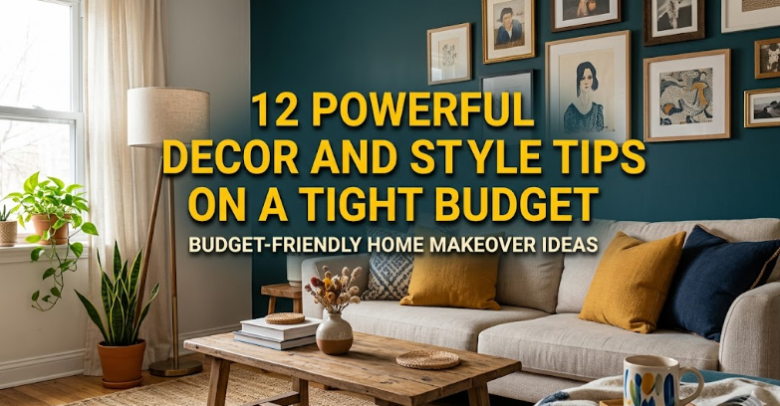
12 Powerful Decor and Style Tips on a Tight Budget
There’s a quiet satisfaction in walking into a home that feels warm, intentional, and effortlessly stylish. Not expensive—just thoughtful. The kind of space where every object seems to have found its place naturally, where nothing screams for attention, yet everything works together. What most people don’t realize is that this feeling rarely comes from spending more money. It comes from seeing differently.
A tight budget can actually sharpen your sense of style. It forces you to notice texture instead of price tags, to appreciate placement instead of quantity, and to understand that good design is less about accumulation and more about curation. The following ideas are not quick-fix gimmicks. They are grounded, practical shifts in how you approach your space, each one capable of transforming your home without stretching your wallet.
- Rearranging is the most underrated design tool
Before buying anything new, move what you already own. It sounds almost too simple, but rearranging furniture can dramatically change how a room feels. Pull pieces away from walls to create breathing space. Angle a chair differently. Swap items between rooms.
A living room that once felt cramped can open up just by rethinking pathways. A bedroom might feel calmer when the bed faces a different direction. Treat your home like a puzzle rather than a fixed layout.
Try this: take photos of your room before and after rearranging. You’ll start seeing patterns—what works, what feels balanced, and what doesn’t.
- Lighting changes everything
Lighting is often the difference between a dull space and one that feels alive. Harsh overhead lights flatten a room, while layered lighting adds depth.
Instead of relying on one ceiling light, introduce multiple light sources. A small table lamp, a floor lamp, or even string lights can soften the atmosphere. Warm bulbs (around 2700K) instantly make a space feel more inviting.
You don’t need expensive fixtures. Even swapping a lampshade or repositioning a lamp can create a cozier environment.
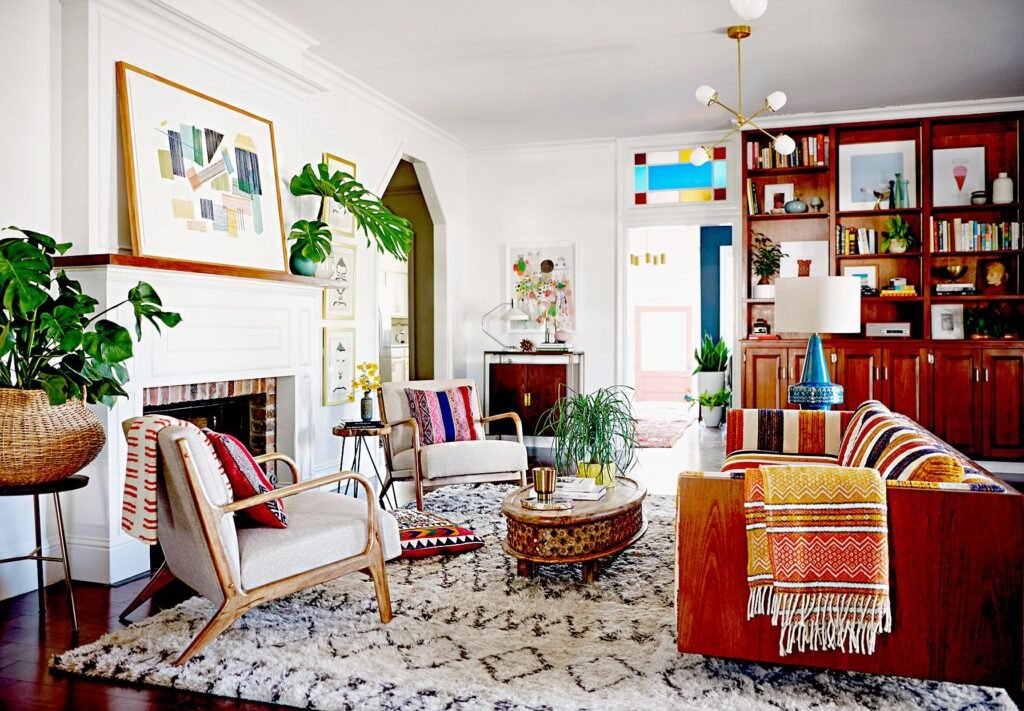
- Decluttering is a style decision, not a chore
Minimalism isn’t about owning less for the sake of it. It’s about making space for what matters. Clutter distracts the eye and makes even expensive items look ordinary.
Go through your belongings and ask a simple question: does this add value to the space? If not, remove it. This doesn’t mean your home should feel empty. It should feel intentional.
A shelf with five meaningful objects looks far more elegant than one crowded with twenty random pieces.
- Use textiles to add richness
Soft furnishings are one of the easiest ways to elevate a room without spending much. Think cushions, throws, curtains, and rugs.
Mix textures rather than patterns if you’re unsure where to start. A chunky knit throw, a smooth cotton cushion, and a slightly rough linen curtain can create visual interest even in neutral colors.
You don’t need to buy new. Repurpose scarves as table runners, use old fabric to create cushion covers, or layer existing rugs for a fuller look.
- The power of paint
Paint is transformative. A single wall painted in a deeper shade can add drama. A lighter tone can make a small room feel larger.
If painting an entire room feels like too much, focus on smaller areas—like a door, a piece of furniture, or even a shelf backing.
Neutral tones tend to age well, but don’t shy away from color. A muted green or soft blue can bring calmness, while a warm terracotta can make a space feel grounded.
- Incorporate greenery—even the simplest kind
Plants bring life into a room, quite literally. They soften edges, improve mood, and add a natural element that’s hard to replicate.
If you’re worried about maintenance, start with low-effort plants like snake plants or pothos. Even a single plant on a windowsill can change the feel of a space.
No budget? Use cuttings. Many plants can grow from small clippings placed in water.
- Art doesn’t have to be expensive
Blank walls can make a room feel unfinished, but art doesn’t need to cost a fortune.
Print photographs, frame pages from old books, or create your own abstract pieces. Even fabric stretched over a frame can work as wall art.
The key is cohesion. Stick to a consistent color palette or theme so that everything feels connected.
- Mirrors create space and light
A well-placed mirror can make a room feel larger and brighter. Position it opposite a window to reflect natural light.
You don’t need oversized or ornate mirrors. Even a simple one can have a big impact if placed thoughtfully.
Try grouping smaller mirrors together for a gallery-style effect.
- Focus on one statement piece
Instead of trying to upgrade everything, choose one item to stand out. It could be a bold rug, a unique chair, or a striking piece of art.
This creates a focal point and draws attention away from other, simpler elements.
When everything tries to stand out, nothing does. Let one piece carry the visual weight.
- Mix old and new
A space that feels too “new” can lack character. Mixing in older or secondhand items adds depth.
Visit thrift stores, flea markets, or even your own storage. An old wooden stool, a vintage tray, or a worn book can add personality.
The contrast between old and new makes a space feel layered rather than staged.
- Pay attention to small details
Often, it’s the smallest changes that have the biggest impact. Swapping cabinet handles, updating switch plates, or changing curtain rods can subtly elevate a room.
Even something as simple as neatly organizing cables or aligning objects on a shelf can make a space feel more refined.
Design isn’t always about big moves. It’s about consistency.
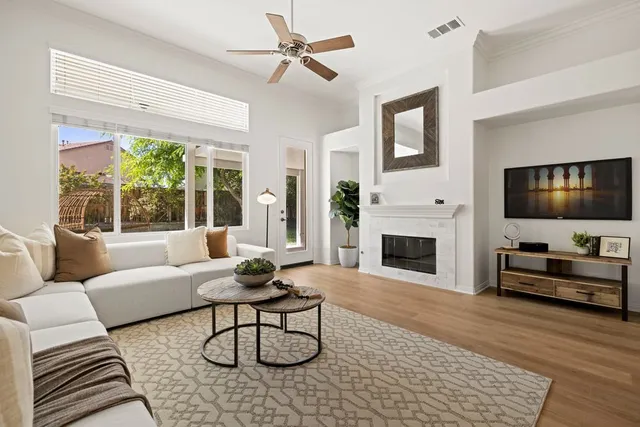
- Create zones within your space
Even in a small home, defining areas for different activities can make it feel more organized and spacious.
Use rugs, lighting, or furniture placement to create distinct zones—a reading corner, a workspace, or a relaxation area.
This not only improves functionality but also gives your home a sense of structure.
—
A home doesn’t become beautiful overnight. It evolves, piece by piece, decision by decision. When you’re working with a tight budget, every choice matters more—and that’s not a limitation. It’s an advantage.
You begin to notice how light falls in the afternoon, how a chair feels when placed near a window, how a single plant can soften a corner. You stop chasing trends and start creating something that reflects you.
And that’s where real style lives—not in how much you spend, but in how thoughtfully you shape your space.
—
FAQs
- How can I make my home look expensive on a very small budget?
Focus on decluttering, improving lighting, and adding a few well-chosen textiles. Clean, organized spaces with layered lighting often feel more expensive than cluttered rooms filled with costly items. - What is the most impactful low-cost decor change?
Rearranging furniture and adjusting lighting are often the most impactful. These changes cost nothing but can completely transform how a room feels. - Are DIY decor projects worth the effort?
Yes, if approached thoughtfully. Simple DIY projects like painting furniture or creating wall art can add a personal touch without looking cheap. - How do I choose colors for my home on a budget?
Stick to a neutral base and add color through smaller, changeable items like cushions or throws. This way, you can update your look without repainting everything. - Can small spaces still look stylish?
Absolutely. In fact, small spaces benefit the most from intentional design. Focus on multifunctional furniture, clear zones, and minimal clutter. - How often should I update my decor?
There’s no fixed rule. Small updates every few months—like swapping textiles or rearranging furniture—can keep your space feeling fresh without requiring major spending.