7 easy decor and style hacks that made my home look expensive
I didn’t start with a big budget, a design degree, or even a clear plan. What I had was a small, slightly tired-looking space and a stubborn desire to make it feel like something out of a glossy magazine. The kind of place where everything looks intentional, calm, and quietly luxurious.
At first, I thought “expensive-looking” meant spending more money. It doesn’t. In fact, I learned pretty quickly that many homes that look costly are really just carefully edited, thoughtfully styled, and surprisingly simple underneath.
What changed everything for me were a handful of small, practical shifts. Not renovations. Not big purchases. Just adjustments in how I saw and arranged things.
Here are the seven easy decor and style hacks that completely transformed my home—and how you can use them too.
- I started by removing things, not adding them
This was the hardest and most important step.
Like most people, I assumed I needed more decor—more cushions, more frames, more little accessories. But the more I added, the more cluttered everything felt. Nothing stood out.
One weekend, I decided to try something different. I removed almost half of what was on display: random knick-knacks, extra side-table items, mismatched decor pieces I had collected over time.
At first, the rooms felt empty. Then, strangely, they started to feel calmer. Cleaner. More expensive.
There’s a quiet confidence in spaces that don’t try too hard.
What I learned:
- Negative space is not “empty”; it’s breathing room
- A few well-chosen items look more intentional than many random ones
- When everything is visible, nothing feels special
Try this simple exercise:
Take one surface in your home—a coffee table, console, or shelf. Remove everything. Then add back only 3–5 items that you genuinely like. Arrange them with space between each. Step back. You’ll see the difference immediately.
- I upgraded lighting (without replacing everything)
Lighting is one of those things you don’t notice until it’s wrong.
My home originally had harsh, cool-toned bulbs that made everything look flat and slightly clinical. It didn’t matter how nicely I arranged things—under that light, nothing felt warm or inviting.
So I made a small change: I switched to warm, soft lighting.
Then I layered it.
Instead of relying on a single ceiling light, I added:
- A floor lamp in the corner
- A small table lamp near the sofa
- Soft ambient light in the bedroom
The result wasn’t just brighter—it was richer. More dimensional.
What I learned:
- Warm light (around 2700K–3000K) instantly makes a space feel cozier and more upscale
- Multiple light sources create depth and mood
- Shadows and highlights add visual interest
A room with layered lighting feels like it’s been designed. A room with just one overhead bulb feels unfinished.
- I stuck to a consistent color palette
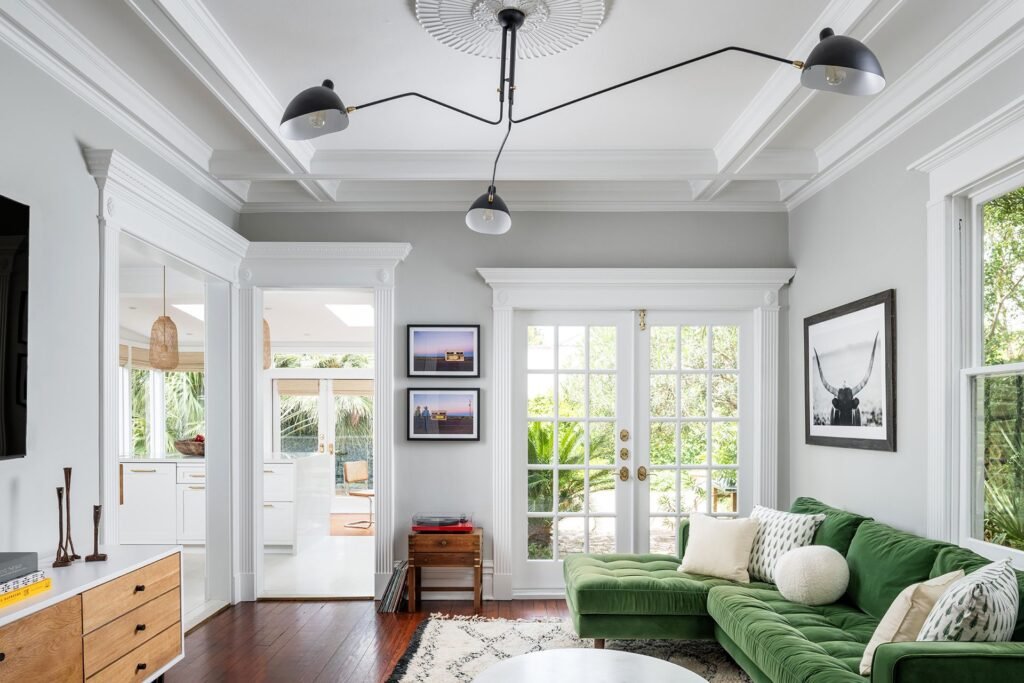
Before, my home was a mix of everything: bold cushions, random artwork, different wood tones, and colors that didn’t really talk to each other.
It wasn’t ugly—it was just confusing.
So I simplified.
I picked a base palette:
- Neutrals (white, beige, soft gray)
- One grounding color (deep brown/black)
- One accent (muted green)
Then I started editing everything to fit within that range.
I didn’t throw everything away. I just rotated things in and out, replaced a few items slowly, and became more mindful of what I brought in.
What I learned:
- Consistency creates harmony
- Limited colors make a space feel cohesive and calm
- Repetition of tones makes things look intentional
Expensive homes don’t always have expensive furniture. They just don’t feel random.
- I used textiles to fake luxury
If there’s one area where small changes make a huge impact, it’s fabrics.
I upgraded a few key things:
- Cushion covers (to thicker, textured fabrics)
- Curtains (longer and slightly heavier)
- A throw blanket (soft and layered casually)
I didn’t buy luxury brands. I just chose materials that looked and felt better:
- Linen or linen blends
- Cotton with a bit of weight
- Subtle textures instead of loud patterns
One of the biggest differences came from hanging curtains higher and wider than the window. Suddenly, the room felt taller and more grand.
What I learned:
- Texture adds depth, even in neutral colors
- Heavier-looking fabrics feel more expensive
- Properly hung curtains change the scale of a room
Even a simple sofa looks elevated when dressed well.
- I paid attention to symmetry and balance
This was a quiet but powerful shift.
I started noticing how balanced spaces felt more calming and polished. Not perfectly symmetrical, but thoughtfully arranged.
For example:
- Two cushions on each side of a sofa instead of randomly placed ones
- A pair of lamps or decor items instead of single scattered pieces
- Centering artwork or aligning furniture with purpose
Humans naturally respond to balance—it feels orderly and pleasing.
What I learned:
- Symmetry creates a sense of calm and structure
- Balanced layouts feel more deliberate
- You don’t need perfect matching—just visual harmony
When things feel “just right,” people often assume the space was professionally designed.
- I upgraded small details that quietly matter
The big furniture stayed the same for a long time. What I changed were the details.
Small upgrades included:
- Swapping cabinet handles
- Changing cushion inserts to fuller ones
- Using matching hangers in the closet
- Replacing worn-out rugs or layering them
These things are easy to overlook, but they add up.
Think of it like clothing: a simple outfit looks expensive when it fits well and the details are clean.
What I learned:
- Details are where quality shows
- Consistency in small things builds a polished look
- Even inexpensive items can look high-end if chosen carefully
A space feels expensive not because of one item, but because nothing feels neglected.
- I styled surfaces like stories, not storage
Before, every surface in my home was doing too much.
Tables held everything I needed: remotes, chargers, books, random objects. It was practical, but visually messy.
So I shifted my thinking.
Instead of treating surfaces as storage, I treated them as displays.
I created small “stories”:
- A tray with a candle, a book, and a small plant
- A stack of books with one decorative object on top
- A simple vase with fresh or dried stems
Everything had a purpose—not just function, but visual.
What I learned:
- Grouping items makes them feel curated
- Odd numbers (3 or 5 items) often look better than even ones
- Trays help organize and elevate everyday objects
When surfaces look styled, the whole room feels considered.
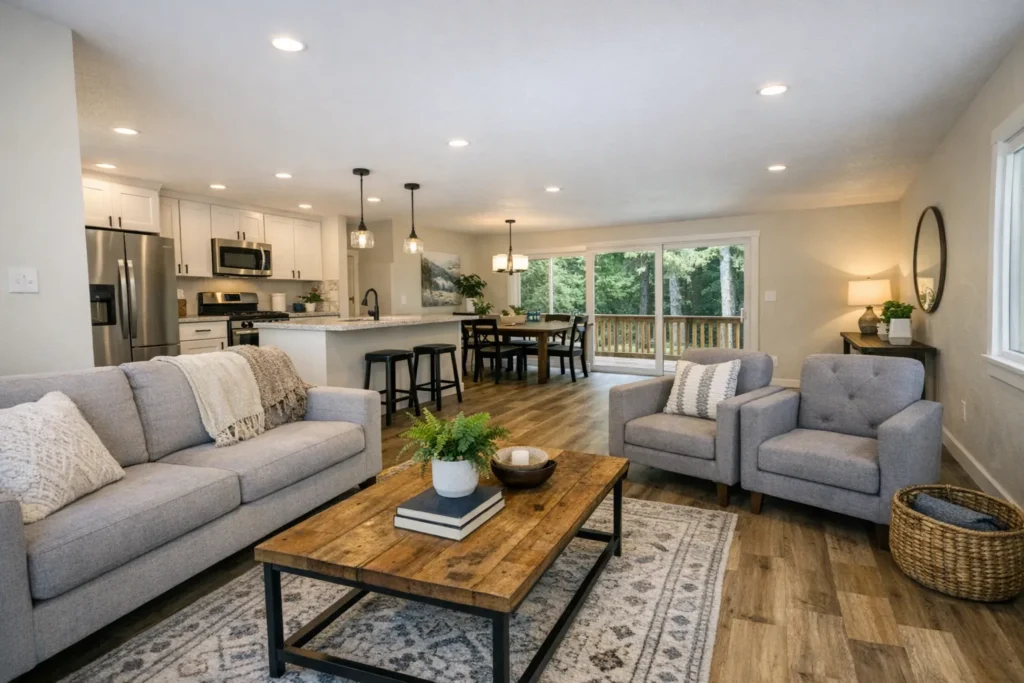
A quiet shift in mindset
None of these changes happened overnight. And none of them required a big budget.
What changed most wasn’t my furniture—it was how I saw my space.
Instead of asking, “What else do I need to buy?” I started asking:
- “What can I simplify?”
- “What feels out of place?”
- “What can I elevate with small effort?”
That shift made everything easier.
An expensive-looking home isn’t about perfection. It’s about intention.
When your space feels calm, cohesive, and quietly put together, it naturally gives off that “expensive” feeling—without actually being expensive.
FAQs
- Do I need to buy new furniture to make my home look expensive?
No. In most cases, you can work with what you already have. Focus on decluttering, improving layout, upgrading textiles, and refining small details. These changes often make a bigger impact than new furniture.
- What colors make a home look more expensive?
Neutral tones like white, beige, gray, and soft earth tones tend to look more sophisticated. Pairing them with one or two deeper accent colors (like black, navy, or forest green) creates contrast and depth.
- How can I make a small room look luxurious?
Keep it uncluttered, use light colors, hang curtains higher, and add layered lighting. Mirrors and consistent decor also help create a sense of openness and elegance.
- Are expensive decor items necessary for a high-end look?
Not at all. Many affordable items can look expensive if chosen carefully. Focus on quality appearance—texture, color consistency, and simplicity matter more than brand names.
- How often should I update my decor?
You don’t need frequent updates. Instead, make small seasonal changes or occasional swaps to keep things fresh. A well-designed space can stay relevant for years with minor adjustments.
- What is the biggest mistake that makes a home look cheap?
Clutter and lack of cohesion. Too many unrelated items, inconsistent colors, and poor lighting can make even expensive pieces look out of place. Simplifying and coordinating your space goes a long way.