7 budget decor and style ideas that look premium
There’s a quiet satisfaction in walking into a space that feels refined, layered, and thoughtfully put together—especially when you know it didn’t cost a fortune. Premium style has less to do with price tags and more to do with perception: the way colors interact, how textures are combined, and the subtle discipline of editing what you keep in a room. You don’t need a designer budget to achieve that feeling. What you need is intention, a few clever swaps, and an eye for detail.
This guide isn’t just a list of ideas—it’s a set of principles disguised as practical upgrades. Each section explores not only what to do, but why it works, and how you can adapt it to your own home, regardless of size or layout.
- mastering the power of a neutral base
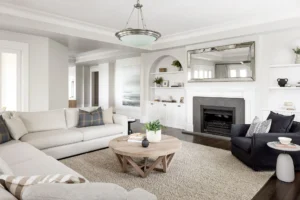
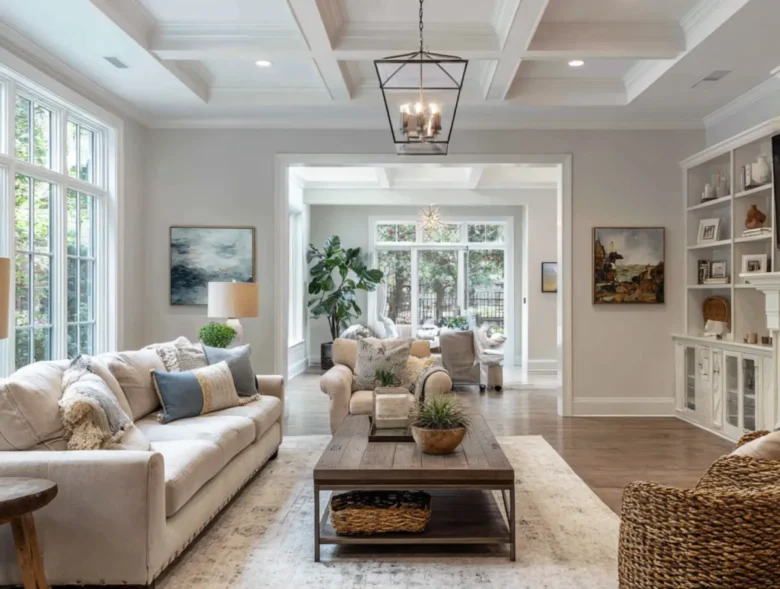
If there’s one trick that instantly elevates a space, it’s a well-executed neutral palette. Think of it as the canvas that allows everything else to shine. Expensive interiors often lean heavily on tones like warm beige, soft ivory, muted greys, and earthy taupes—not because they’re boring, but because they create calm, cohesion, and visual breathing room.
Start by simplifying your larger elements: walls, curtains, rugs, and even bedding. You don’t need to repaint everything; sometimes just swapping out bold or mismatched textiles for neutral ones can make a dramatic difference. A simple cream throw over a busy sofa can tone down chaos instantly.
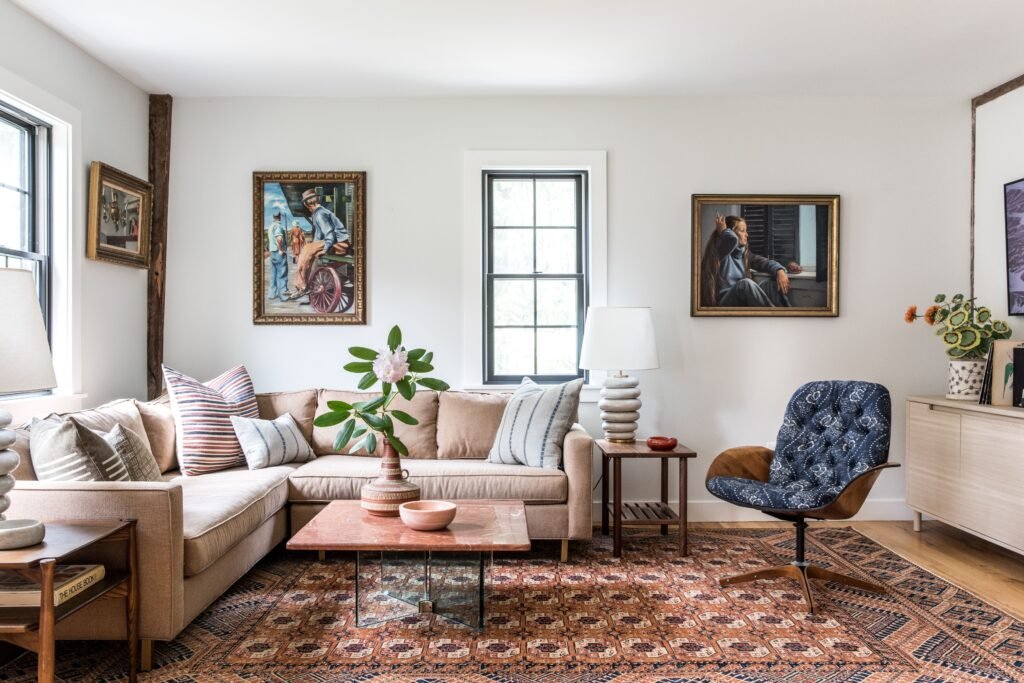
But here’s the secret that makes neutrals feel premium instead of plain: layering. Combine different textures within the same color family. A matte wall, a slightly glossy ceramic vase, a woven rug, and a soft linen curtain—all in similar shades—create depth without visual noise.
Try this small exercise:
- Place three objects of the same color but different textures together (for example: a ceramic mug, a cotton napkin, and a wooden tray).
- Notice how the variation makes the grouping feel intentional rather than flat.
That’s exactly how high-end spaces work.
- upgrading lighting without rewiring your home
Lighting is often overlooked, yet it’s one of the fastest ways to transform a room from average to luxurious. Harsh overhead lighting can flatten everything, while layered lighting adds warmth and dimension.
Instead of relying solely on ceiling lights, introduce multiple light sources:
- A floor lamp in a corner
- A small table lamp on a side table
- Soft string lights or LED strips hidden behind furniture
Warm light (around 2700K) tends to feel more inviting and upscale compared to cool white tones. Even switching bulbs can make a noticeable difference.
If you’re working with a tight budget, consider upgrading lamp shades instead of buying new lamps. A simple fabric shade in linen or off-white can instantly elevate a basic base. Thrift stores and local markets often have hidden gems that just need a clean or minor tweak.
A quick styling tip:
Place a mirror near a light source. It reflects light, making the room feel brighter and more spacious—an effect commonly seen in high-end interiors.
- using oversized art to create impact
Small, scattered wall decor can make a space feel cluttered. Premium interiors often rely on fewer, larger pieces that anchor the room.
Instead of filling a wall with many tiny frames, choose one oversized artwork or create a large-scale piece yourself. This doesn’t have to be expensive:
- Print a high-resolution image and frame it
- Stretch fabric over a canvas frame
- Paint a simple abstract design using two or three neutral tones
The goal is presence, not complexity.
If framing is too costly, consider clipboards, poster hangers, or even washi tape for a minimalist look. The key is proportion—make sure the piece is large enough relative to the wall or furniture it’s paired with.
A helpful rule:
Artwork above a sofa or bed should be about two-thirds the width of the furniture below it. This creates balance and avoids the “floating” look that feels incomplete.
- elevating everyday items through styling
Luxury isn’t always about what you buy—it’s about how you present it. Even the most ordinary items can look premium when styled thoughtfully.
Take your coffee table as an example. Instead of leaving it cluttered or empty, curate a small arrangement:
- A stack of books
- A candle or small plant
- A decorative object like a bowl or sculpture
Group items in odd numbers (usually three) and vary their heights. This creates a natural, visually pleasing composition.
In the kitchen, transfer pantry staples into clear jars. Suddenly, rice, pasta, and spices become part of the decor. In the bathroom, decant soaps into simple dispensers and roll towels neatly instead of stacking them randomly.
These small changes don’t cost much, but they shift the entire perception of your space.
Try this mindset shift:
Instead of asking “What do I need to buy?”, ask “How can I display what I already have better?”
- incorporating texture for a layered look
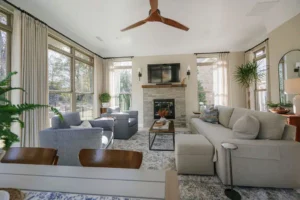
Texture is what makes a room feel rich and complete. Without it, even the most expensive items can feel flat.
You can build texture affordably by mixing materials:
- A chunky knit throw on a smooth sofa
- A jute rug under a wooden table
- Velvet or suede cushions paired with cotton or linen ones
Even within a single color scheme, texture adds contrast and interest.
Plants also play a big role here. They introduce organic texture and life into a room. If maintaining real plants feels like a commitment, high-quality artificial plants can still achieve a similar visual effect.
Another underrated element is wall texture. Consider:
- Peel-and-stick panels
- Fabric wall hangings
- Simple DIY molding using inexpensive materials
Each adds depth without requiring a major renovation.
- focusing on symmetry and balance
There’s a subtle order in premium spaces that makes them feel calm and intentional. Symmetry is often the reason.
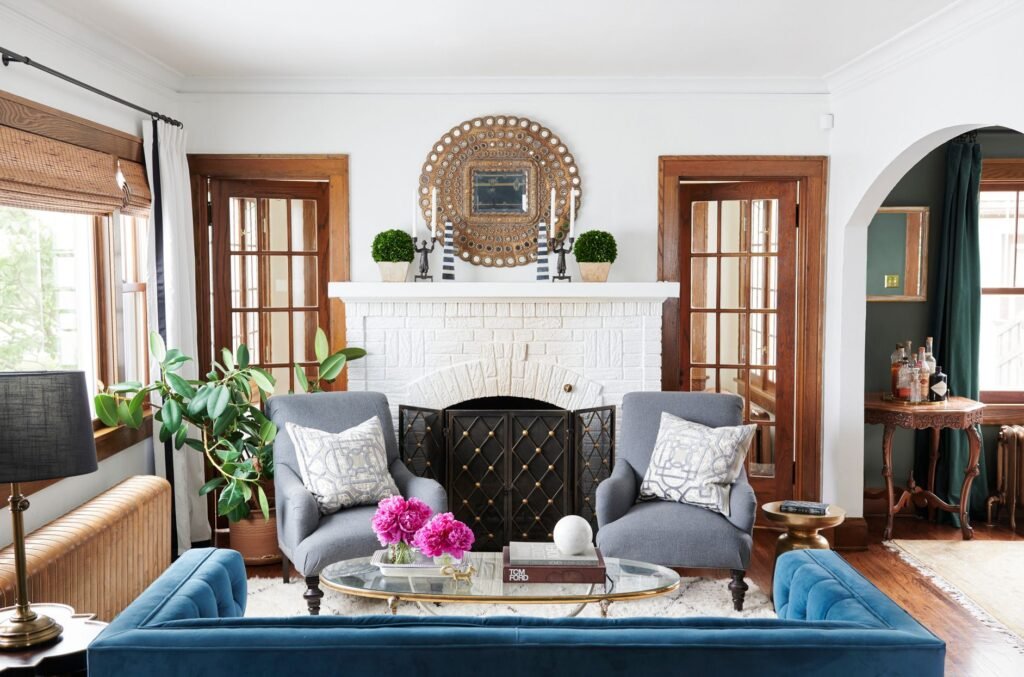
You don’t need to be rigid about it, but creating balanced arrangements can instantly elevate a room. For example:
- Two matching lamps on either side of a bed
- A pair of chairs facing each other
- Identical cushions placed evenly on a sofa
Symmetry creates a sense of harmony, while slight variations keep things from feeling too formal.
If matching items aren’t in your budget, you can fake symmetry by using similar shapes or colors. Two different vases in the same tone can still create a balanced look.
Think of symmetry as a guiding principle rather than a strict rule. Even loose balance—where visual weight is evenly distributed—can achieve the same polished effect.
- decluttering with intention, not minimalism
A premium-looking home isn’t necessarily empty—it’s edited. There’s a difference between removing everything and keeping only what serves a purpose or adds beauty.
Start by clearing surfaces and reintroducing items slowly. Ask yourself:
- Does this add to the space visually or functionally?
- Does it feel cohesive with the rest of the room?
If not, it might belong somewhere else.
Storage plays a key role here. Use baskets, boxes, and trays to keep things organized but accessible. Closed storage helps maintain a clean look, while open storage should be curated carefully.
A practical method:
Take a photo of your room. It’s easier to spot clutter and imbalance when you see the space from a distance. Adjust accordingly until it feels calm and cohesive.
creating a premium feel on a real-world budget
What ties all these ideas together is intention. Expensive interiors aren’t just about high-end materials—they’re about consistency, restraint, and attention to detail.
You might not replace your furniture overnight, but you can:
- Change how light interacts with your space
- Rearrange what you already own
- Introduce texture and balance
- Edit what doesn’t serve the overall look
These shifts are subtle, but their combined effect is powerful.
It’s also worth remembering that premium doesn’t mean perfect. A space that feels lived-in, personal, and slightly imperfect often feels more inviting than something overly staged.
So take your time. Experiment. Move things around. Step back and observe. The process itself is part of creating a home that feels truly yours.
frequently asked questions
- how can i make my home look expensive on a very tight budget?
Focus on decluttering, improving lighting, and sticking to a cohesive color palette. Even small changes like new cushion covers, rearranged furniture, or better organization can make a big difference without spending much. - what colors make a room look more premium?
Neutral tones such as beige, cream, grey, and soft earth colors tend to create a more sophisticated look. Pairing these with subtle contrasts in texture helps avoid a flat appearance. - is it necessary to buy new furniture to upgrade my decor?
Not at all. Rearranging existing furniture, adding throws or covers, and improving styling can completely change how your space feels without replacing major pieces. - how do i avoid my decor looking cheap?
Avoid overcrowding your space with too many small items. Focus on fewer, larger pieces, maintain balance, and choose items that complement each other in color and texture. - can diy decor really look high-end?
Yes, if done thoughtfully. Simple DIY projects like abstract art, custom cushion covers, or repurposed furniture can look very polished when you stick to clean designs and quality finishes. - how important is lighting in home decor?
Lighting is crucial. It affects mood, color perception, and overall ambiance. Layered lighting with warm tones can instantly make a space feel more inviting and upscale.
In the end, creating a premium-looking home isn’t about chasing trends or spending heavily—it’s about understanding how spaces work and using that knowledge creatively. With a bit of patience and a thoughtful approach, even the simplest room can feel elevated, comfortable, and distinctly refined.