7 Easy Kitchen and Bath Hacks That Made My Space Shine
There’s something quietly satisfying about walking into a kitchen or bathroom that feels fresh, calm, and put together. Not expensive. Not magazine-perfect. Just clean, bright, and easy to live in. For a long time, mine felt like the opposite of that. My kitchen looked tired no matter how much I wiped the counters, and the bathroom always seemed one step away from chaos. I kept thinking the answer was a full renovation—new cabinets, new tile, better lighting, more storage. The kind of makeover that lives in saved photos and costs more than most people want to admit.
What I learned instead was much simpler: the biggest difference came from small, practical changes.
Not dramatic upgrades. Not expensive fixtures. Just a few smart adjustments that made both spaces easier to use and much better to look at. The kind of tweaks you can finish in a weekend and notice every single day after that. These weren’t flashy design tricks. They were the sort of easy kitchen and bath hacks that make a room feel cleaner, brighter, and more intentional without tearing anything apart.
Some of them took less than ten minutes. A couple cost almost nothing. One involved nothing more than changing where I put things I already owned. But together, they changed the way my kitchen and bathroom looked and functioned in a way I honestly didn’t expect.
If your kitchen feels dull, your bathroom feels crowded, or both rooms somehow look messy even after cleaning them, these are the seven simple hacks that made my space shine.
1. I cleared the counters and instantly changed the room
This was the first thing I did, and it made the biggest visual difference the fastest.
Like a lot of people, I had slowly turned my counters into storage. Not intentionally. It just happened over time. In the kitchen, the blender stayed out because I used it “often enough.” Then came the toaster, the coffee pods, the cutting board, the cooking oils, the fruit bowl, and the mail that somehow always landed near the corner. None of it felt excessive on its own. Together, it made the entire room look busy.
The bathroom had the same problem. Cleanser, toner, toothbrush charger, hand cream, cotton rounds, hair ties, lotion, perfume, and three products I hadn’t touched in weeks all sat on the vanity like they paid rent.
The rooms weren’t dirty. They were crowded.
So I cleared almost everything off both counters and started over.
In the kitchen, I kept only what I used every day: the coffee maker, a small tray for soap by the sink, and one wooden bowl for produce. Everything else got stored in cabinets or drawers. In the bathroom, I left hand soap, a small tray, and one everyday skincare item. That was it.
The difference was immediate. The counters looked bigger. The light bounced better. Cleaning became easier because I could wipe surfaces in one pass instead of lifting and shifting fifteen different things.
And maybe the best part: both rooms started looking cleaner all the time, even when they weren’t freshly cleaned.
Visual clutter creates mental clutter. Once I removed it, both spaces felt calmer and brighter almost overnight.
Quick tip:
If it doesn’t get used daily, it probably doesn’t need to live on the counter.
2. I used trays to make everyday items look intentional
This sounds small, but it changed everything.
There’s a huge difference between “things sitting out” and “things arranged on purpose.” The easiest way I found to create that difference was with trays.
Before this, the items I needed out in the open looked random. Dish soap sat next to a sponge. Olive oil stood alone by the stove. In the bathroom, hand soap and lotion looked like they had been dropped on the counter mid-rush.
A tray fixed that instantly.
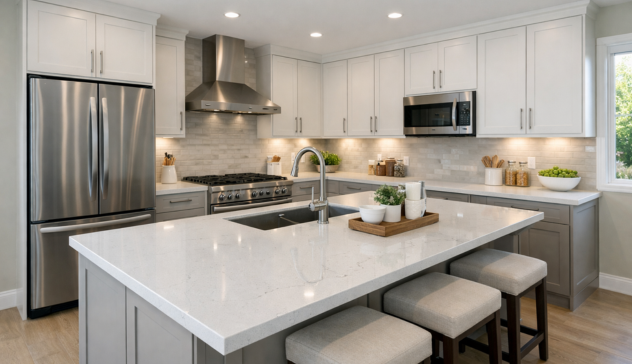
In the kitchen, I placed dish soap, hand soap, and a sponge on a small stone tray near the sink. Suddenly that corner looked styled instead of cluttered. I used another tray near the stove for salt, pepper, and cooking oil. Same products, same location, completely different feel.
In the bathroom, I used a simple tray to hold hand soap, lotion, and a candle. On another small dish, I grouped my daily skincare. That was enough to make the vanity look cleaner and more polished without removing the things I actually needed.
Trays create visual boundaries. They tell the eye, “This belongs here.”
That tiny bit of structure makes a room feel tidier, even when the number of items hasn’t changed much.
It also makes cleaning easier. Instead of moving six loose things, I lift one tray, wipe underneath, and set it back down.
This is one of those low-effort design tricks that makes everyday necessities feel curated instead of messy.
Quick tip:
Choose trays in materials that suit the room—wood for warmth, stone for a clean look, metal for contrast.
3. I swapped harsh lighting for warmer bulbs
I underestimated lighting for years.
I thought if a room had enough light, that was all that mattered. But brightness and good lighting are not the same thing. My kitchen had one overhead light that made everything look flat and slightly harsh. The bathroom was even worse—bright enough to be useful, but cold enough to make the room feel sterile.
Nothing in either room looked especially inviting under those bulbs.
So I changed them.
That was it. No rewiring. No new fixtures. Just better bulbs.
In both spaces, I swapped cool white bulbs for warm, soft white LEDs. The difference was immediate and surprisingly dramatic. The kitchen looked less clinical and more welcoming. The bathroom stopped feeling like a place lit for a dentist appointment.
Warm light softened everything—cabinet color, wall tone, even reflections in the mirror. It made both rooms feel more comfortable and more expensive without changing anything else.
Then I added one more layer: secondary light.
In the kitchen, I placed a small lamp in a corner of the counter. It gave the room a softer glow in the evenings and made the whole space feel less dependent on overhead lighting. In the bathroom, I added a subtle rechargeable light near a shelf, which made nighttime feel calmer and more spa-like.
Lighting changes mood faster than almost anything else in a room.
You can have clean counters, nice finishes, and good organization, but if the lighting is harsh, the room will still feel off.
Quick tip:
Look for bulbs labeled “soft white” or around 2700K to 3000K for a warmer, more flattering glow.
4. I upgraded the hardware and it changed the entire look
This was the closest thing to a mini renovation, and it was still surprisingly easy.
The cabinet handles in my kitchen and bathroom were dated, slightly worn, and doing nothing for the space. I had lived with them so long I barely noticed them anymore. But once I changed them, I realized how much they had been aging the rooms.
Hardware is one of those details that quietly shapes how a room feels.
I replaced old knobs and pulls with simple, modern hardware in a finish that tied the rooms together. Nothing trendy. Just clean lines and a finish that looked intentional.
The kitchen immediately felt more current. The cabinets looked sharper, cleaner, and somehow more expensive even though they were exactly the same cabinets as before. In the bathroom, the vanity went from forgettable to polished in less than an hour.
That’s what makes hardware such a good upgrade. It’s small, visible, and surprisingly influential.
You touch it every day. You see it constantly. And because it sits across cabinetry at eye level, it quietly impacts the whole room.
It’s one of the fastest ways to update a tired kitchen or bathroom without replacing anything major.
Quick tip:
Take one old handle with you when shopping so you can match hole spacing and avoid extra drilling.
5. I started using vertical space instead of fighting for drawer space
This was the most practical change I made, and probably the most useful long term.
I kept trying to organize crowded drawers by rearranging what was already inside them. But the real problem wasn’t the arrangement. It was that I wasn’t using enough of the space I had.
Both my kitchen and bathroom had one thing in common: wasted vertical room.
In the kitchen, cabinets had empty air above stacked dishes and mugs. Under the sink was a jumble of cleaning supplies with no structure at all. In the bathroom, the area beneath the vanity had plenty of height but no real system, which meant products got piled instead of stored.
The fix was simple: I started organizing upward.
I added small shelf risers inside cabinets so plates, bowls, and mugs could stack more efficiently. I used clear bins under the sink to group cleaning supplies by type. In the bathroom, I added stackable drawers beneath the vanity and a slim shelf above the toilet for extra storage.
Nothing custom. Nothing complicated. Just smarter use of height.
That one shift created more usable storage without adding square footage.
And once everything had a proper zone, both spaces stayed cleaner with much less effort.
Organization works best when it makes everyday habits easier. If putting something away feels annoying, clutter wins. If storage is simple and obvious, tidiness gets much easier to maintain.
Quick tip:
Don’t just organize flat surfaces—look for unused height inside cabinets, under sinks, and above fixtures.
6. I replaced tired textiles and the rooms looked newer
This was one of the easiest upgrades and one of the most overlooked.
Textiles quietly affect how clean a room feels. In my case, the kitchen towels were mismatched and worn, and the bathroom hand towels had seen better days. They were functional, but they made both spaces feel a little tired no matter how clean everything else was.
Replacing them made a bigger difference than I expected.
In the kitchen, I swapped old towels for a small set in simple, neutral colors. Suddenly the room looked cleaner and more cohesive. It sounds minor, but old towels have a way of making a space feel dingy even when the counters are spotless.
In the bathroom, I changed out hand towels, bath mats, and the shower curtain. That alone made the room feel fresher. Cleaner. More intentional.
Soft goods do a lot of visual work.
They add texture, color, and softness to rooms that are otherwise full of hard surfaces. When they look worn out, the whole room can feel worn out. When they look fresh, the room feels cared for.
And unlike tile or cabinetry, they’re easy to change seasonally if you want a different look later.
Quick tip:
Stick to a tighter color palette for towels and textiles so the room feels calmer and more pulled together.
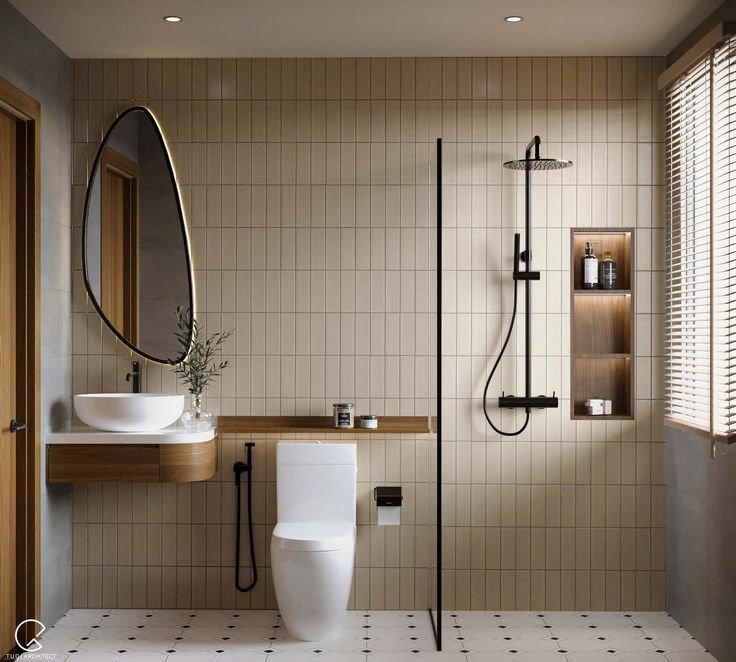
7. I added one decorative touch to each room—and stopped there
This was the finishing move, and it mattered more than I thought it would.
Once the clutter was gone, the lighting felt better, and the storage worked, both rooms looked cleaner—but they still needed warmth. Not more stuff. Just a little personality.
So I added one decorative element to each space.
In the kitchen, it was a small framed print leaning on a shelf and a simple vase with greenery. In the bathroom, it was a candle and a small plant.
That was enough.
The mistake I used to make was over-decorating in an effort to make a room feel styled. But in small functional spaces like kitchens and bathrooms, too much décor becomes clutter almost immediately.
One thoughtful decorative detail does more than five random accessories.
It softens the room. Adds personality. Makes the space feel finished.
The key is restraint.
A kitchen doesn’t need endless countertop décor. A bathroom doesn’t need every shelf filled. These spaces shine more when they have room to breathe.
Quick tip:
Add one warm, personal detail—art, greenery, or a candle—and stop before the room starts feeling crowded again.
Why these simple hacks worked better than a big makeover
The most surprising part of all this was realizing how little needed to change for the rooms to feel dramatically better.
I didn’t renovate.
I didn’t replace cabinets, tear out tile, or spend months planning a redesign.
I just made better use of what was already there.
That’s what made these kitchen and bath hacks so effective. They solved the real problems—visual clutter, poor lighting, wasted storage, tired details—instead of masking them with expensive upgrades.
And because the fixes were simple, they were easy to maintain.
That’s the part people don’t talk about enough. A beautiful space only stays beautiful if it works well in real life. If it’s hard to clean, hard to use, or hard to keep organized, it won’t feel good for long no matter how nice it looks in photos.
These changes worked because they made daily routines easier.
The kitchen became simpler to clean and calmer to cook in. The bathroom became easier to reset and nicer to start and end the day in.
That’s what made the rooms shine—not perfection, just function with a little intention.
The real secret to a kitchen and bathroom that always look better
After all of this, the biggest lesson was simple: shine has less to do with how new a space is and more to do with how thoughtfully it’s used.
A room can be small, dated, or basic and still feel clean, bright, and elevated.
What matters most is that it feels clear.
Clear counters. Clear systems. Clear purpose.
When the clutter is gone, the lighting is softer, the storage makes sense, and the details feel intentional, even ordinary spaces start to look better.
That was the real transformation.
Not bigger. Not trendier. Just easier, lighter, and far more inviting.
And once I saw what a difference these small changes made, I stopped thinking I needed a full renovation to love the way my kitchen and bathroom looked.
I just needed a few smarter habits—and seven easy hacks that made everything shine.
FAQs
1. What is the easiest kitchen hack to make a space look cleaner?
Clearing the counters is usually the fastest and most effective kitchen hack. Removing rarely used appliances, loose papers, and extra containers instantly makes the room look bigger, cleaner, and less chaotic. Even before deep cleaning, clear counters create a noticeable visual reset.
2. How can I make my bathroom look better without renovating?
Start with simple updates like clearing the vanity, replacing worn towels, improving lighting, and using trays to organize everyday products. These small changes can make a bathroom feel fresher and more polished without touching tile, plumbing, or fixtures.
3. Do small storage hacks really make a difference?
Yes, especially in kitchens and bathrooms where space is limited. Using vertical storage, bins, shelf risers, and under-sink organizers can dramatically improve function and reduce clutter. Better storage makes the room easier to maintain, which helps it stay cleaner.
4. What lighting works best in kitchens and bathrooms?
Warm white or soft white bulbs usually work best in both spaces. They make surfaces look softer, cleaner, and more inviting than harsh cool-toned lighting. A color temperature around 2700K to 3000K is a good range for a warm, flattering glow.
5. How do I decorate a kitchen or bathroom without making it look cluttered?
Keep décor minimal and functional. One or two thoughtful touches—like a candle, small plant, framed print, or simple vase—can add warmth without creating clutter. In smaller spaces, restraint almost always looks better than over-styling.
6. Which upgrade makes the biggest visual impact for the lowest cost?
Swapping cabinet hardware is one of the most affordable upgrades with the biggest visual payoff. New knobs and pulls can make existing cabinets look more modern and polished without requiring a full remodel.