6 smart outdoor and curb ideas that add value
A house speaks long before anyone steps inside it. The first glance, the slow walk toward the door, the subtle details that either feel inviting or forgotten—all of it quietly shapes perception. Curb appeal isn’t just about aesthetics; it’s a mix of psychology, function, and long-term value. When done thoughtfully, even small outdoor changes can influence how a home is experienced and, ultimately, how much it is worth.
This isn’t about expensive renovations or dramatic transformations. The smartest outdoor upgrades tend to be the ones that blend practicality with visual impact. They solve a problem, improve daily life, and look good while doing it. Below are six ideas that do exactly that, each explored with depth, real-life application, and a sense of what actually works beyond glossy inspiration photos.
- redefining the entrance experience
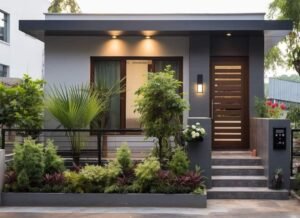
The front entrance is where every interaction begins. It’s also one of the most overlooked areas when homeowners think about improvements. Many assume curb appeal starts with landscaping, but in reality, the entry point carries more emotional weight than any other exterior feature.
Think of the entrance as a transition zone. It should gently shift someone from the outside world into a private space. That shift can be enhanced with layered elements—texture, lighting, and subtle contrast.
Start with the door itself. A fresh coat of paint can completely change how a house feels. But the choice of color matters more than people expect. Deep blues, muted greens, and even warm charcoal tones tend to create a grounded, modern impression without feeling aggressive. Bright colors can work, but they require balance in surrounding elements.
Hardware is another detail that quietly signals quality. A solid handle, a clean knocker, or even a modern house number set can elevate the look without drawing obvious attention. It’s not about making a statement piece—it’s about removing anything that feels temporary or outdated.
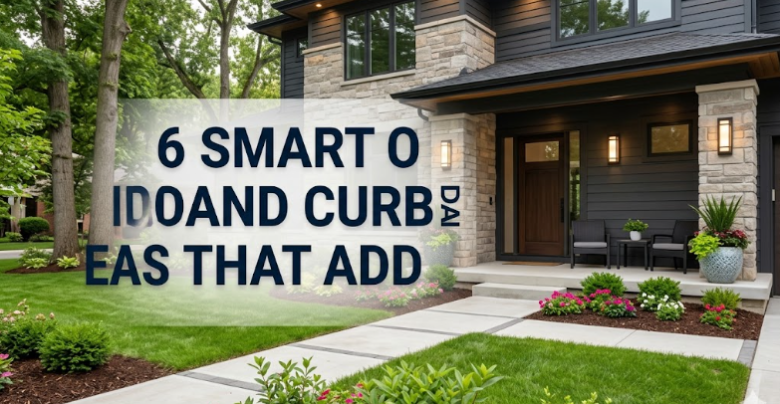
Lighting around the entrance deserves careful thought. Instead of relying on a single overhead fixture, consider layering. Wall-mounted lights on either side of the door create symmetry. Soft pathway lighting leading up to the entrance adds both safety and atmosphere. The goal is not brightness but clarity—guiding movement while enhancing the mood.
Finally, add a human touch. A simple bench, a pair of planters, or even a textured doormat can make the space feel lived-in rather than staged. These small elements tell visitors that the home is cared for, and that impression often translates into perceived value.
- creating defined outdoor zones
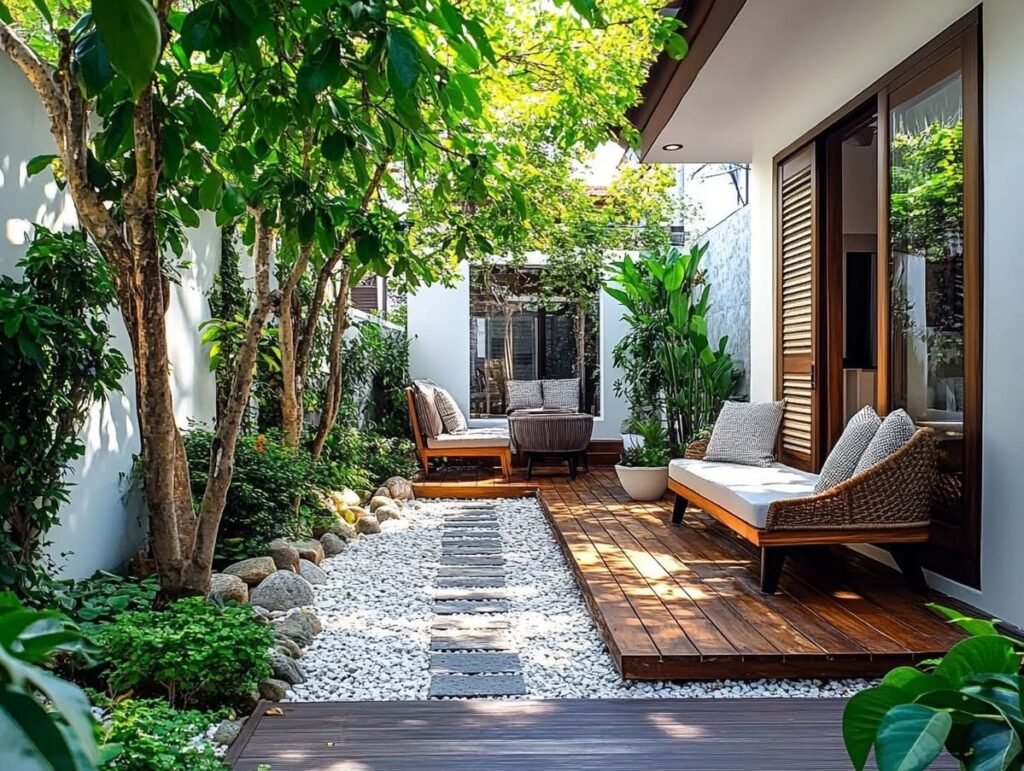
Open outdoor spaces can feel aimless if they aren’t structured. One of the smartest ways to add value is by turning undefined areas into purposeful zones. This doesn’t require building walls or adding expensive features—it’s more about visual cues and thoughtful layout.
Start by asking a simple question: what should this space do? Is it meant for relaxation, dining, or social gatherings? Once that purpose is clear, design choices become easier.
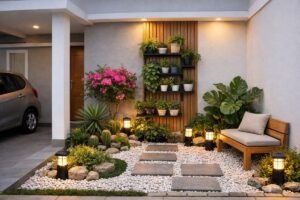
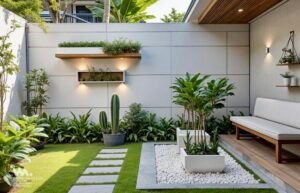
For example, a small backyard can be divided into two zones using nothing more than ground texture. A gravel section with a couple of chairs can act as a quiet corner, while a paved or decked area can serve as a dining space. The contrast in materials naturally defines boundaries without the need for physical separation.
Rugs are another underrated tool. Outdoor rugs anchor furniture and create a sense of place. They also introduce color and pattern in a controlled way. Combined with seating, they instantly signal that a space is meant to be used, not just looked at.
Vertical elements can further enhance zoning. A simple pergola, a row of tall plants, or even a decorative screen can separate areas while maintaining openness. These features also add depth, making the outdoor space feel larger than it actually is.
What makes this approach valuable is its flexibility. Buyers or visitors can immediately understand how the space works, but they can also imagine adapting it to their own needs. That balance between clarity and possibility is what makes defined zones so effective.
- investing in low-maintenance landscaping
Landscaping has always been tied to property value, but the definition of “good landscaping” has shifted. It’s no longer just about lush lawns and perfectly trimmed hedges. Today, low-maintenance design often carries more appeal than high-maintenance beauty.
The reasoning is simple. People want outdoor spaces that look good without demanding constant attention. A yard that feels like a burden can actually reduce perceived value, even if it’s visually impressive.
Start with plant selection. Native or climate-adapted plants tend to require less water and care. They also integrate more naturally with the surrounding environment, creating a sense of harmony rather than forced design.
Layering is key. Instead of relying on a single type of plant, combine ground covers, mid-height shrubs, and a few taller elements. This creates visual interest without clutter. It also makes the landscape more resilient, as different plants can support each other.
Mulch and stone are practical additions that often get overlooked. They reduce weed growth, retain moisture, and create clean visual lines. A well-mulched bed can look more polished than an overgrown garden, even if it contains fewer plants.
Irrigation systems can add hidden value. Even a simple drip system shows that the landscape has been designed with efficiency in mind. For potential buyers, this signals reduced effort and cost over time.
The goal is to create a space that feels intentional but not demanding. When people see a yard that looks good and seems easy to manage, they’re more likely to view it as an asset rather than a responsibility.
- enhancing outdoor lighting for depth and safety
Lighting is often treated as an afterthought, but it has the power to transform an outdoor space more than almost any other element. It changes how a home is perceived at night, adds a layer of security, and highlights architectural and landscape features in subtle ways.
The key to effective outdoor lighting is restraint. Over-lighting can feel harsh and artificial, while under-lighting can make a space feel neglected. The goal is balance—enough light to guide and highlight, but not so much that it overwhelms.
Pathway lighting is a practical starting point. It improves safety and naturally draws attention to the flow of the space. Instead of evenly spacing lights, consider placing them where they’re most needed—near steps, turns, or changes in elevation.
Accent lighting can add depth. A soft light aimed at a tree, a textured wall, or even a water feature creates layers of shadow and highlight. This makes the space feel more dynamic and visually interesting.
Warm light tones tend to be more inviting than cool ones. They mimic natural light and create a sense of comfort. Consistency is also important—mixing different light temperatures can make a space feel disjointed.
Smart lighting systems are becoming more common and can add a modern touch. Being able to control brightness, timing, and even color from a phone is not just convenient—it also signals a level of sophistication that can influence perceived value.
What makes lighting such a smart investment is its dual role. It enhances beauty while improving function, and that combination is exactly what adds lasting value.
- upgrading hardscaping with intention
Hardscaping—paths, patios, driveways—forms the backbone of outdoor design. While landscaping adds softness, hardscaping provides structure. When done well, it can significantly elevate both the look and usability of a property.
One of the simplest upgrades is refining pathways. A clear, well-defined path to the entrance or through the yard creates a sense of order. Materials matter here. Natural stone, brick, or even high-quality concrete can make a big difference compared to basic or worn-out surfaces.
Driveways are another area where small changes can have a large impact. Cleaning, sealing, or edging a driveway can instantly improve its appearance. Adding subtle borders or contrasting materials can further enhance the look without major reconstruction.
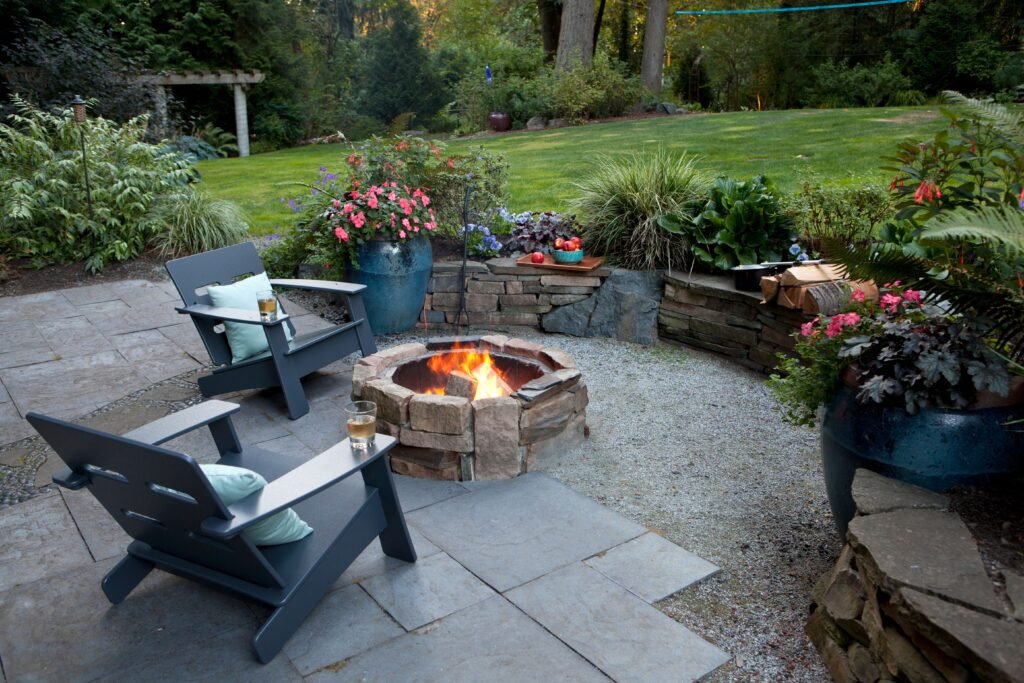
Patios deserve special attention. They are often the primary outdoor living space, yet many are underutilized. Expanding a patio slightly or improving its finish can make it more inviting. Even adding built-in seating or a simple fire feature can turn it into a focal point.
Drainage is a less visible but equally important aspect. Proper grading and water management prevent long-term damage and show that the property has been maintained thoughtfully. This kind of hidden quality often influences value more than obvious upgrades.
Hardscaping is an investment that pays off because it combines durability with design. Unlike some features that may go out of style, well-executed hardscaping tends to remain relevant and functional for years.
- adding subtle lifestyle features
The most valuable outdoor spaces are the ones that feel usable. They invite people to spend time outside, whether for relaxation, socializing, or simple daily routines. Adding lifestyle features is about enhancing that usability in ways that feel natural rather than forced.
Outdoor seating is the most obvious example, but it doesn’t have to be elaborate. A small seating area with comfortable chairs and a table can suggest possibilities without overwhelming the space. The key is placement—choose a spot that feels sheltered or visually interesting.
Shade is another important factor. Pergolas, umbrellas, or even strategically placed trees can make outdoor spaces more comfortable, especially in warmer climates. Shade not only improves usability but also adds a layer of visual depth.
Water features, even small ones, can create a sense of calm. The sound of water has a subtle psychological effect, making a space feel more relaxing. It doesn’t have to be a large installation—a simple fountain can achieve the same effect.
Outdoor kitchens and fire pits have become popular, but they should be approached carefully. These features can add value, but only if they align with the scale and style of the property. Overbuilding can have the opposite effect, making the space feel crowded or impractical.
The smartest lifestyle features are the ones that feel like a natural extension of the home. They don’t compete with the architecture—they complement it.
bringing it all together
What ties all these ideas together is intention. None of them rely on excess or trend-driven design. Instead, they focus on clarity, usability, and subtle enhancement. That’s what makes them smart.
Value isn’t just about how much something costs or how impressive it looks at first glance. It’s about how well a space works, how it feels over time, and how easily others can imagine themselves living in it.
Outdoor improvements have a unique advantage in this regard. They are immediately visible, emotionally engaging, and often more flexible than interior changes. A well-designed outdoor space doesn’t just increase property value—it changes how the home is experienced every day.
faqs
- how much should i spend on curb appeal improvements
There’s no fixed number, but a common guideline is to keep outdoor upgrades proportional to the home’s overall value. Small, thoughtful changes often provide better returns than large, expensive projects. - do outdoor improvements really increase property value
Yes, especially when they improve usability and first impressions. Buyers often form opinions quickly, and a well-maintained exterior can significantly influence those perceptions. - what is the easiest way to improve curb appeal quickly
Refreshing the front entrance—painting the door, updating lighting, and adding simple decor—can create an immediate impact with relatively little effort. - are low-maintenance landscapes less attractive
Not necessarily. When designed well, low-maintenance landscapes can look just as appealing as high-maintenance ones while offering greater practicality. - is outdoor lighting worth the investment
Yes, because it enhances both safety and aesthetics. Good lighting can transform how a property looks and feels after dark. - should i follow trends when upgrading outdoor spaces
It’s better to focus on timeless design and functionality. Trends can fade quickly, but practical and well-executed features tend to hold their value over time.