12 Powerful Kitchen and Bath Ideas on a Budget
A beautiful kitchen or bathroom does not have to come with a contractor-sized invoice. In fact, some of the most dramatic upgrades happen when people stop chasing full remodels and start making deliberate, practical changes that improve how a space looks, feels, and functions. A tighter budget can actually sharpen decision-making. It forces attention onto the details that matter most: light, storage, finish, flow, and comfort.
The truth is, kitchens and bathrooms carry more visual weight than almost any other rooms in a home. They are used constantly, noticed immediately, and judged quickly. A dated cabinet color, poor lighting choice, cluttered counter, or tired hardware can make the entire home feel older than it is. On the other hand, small upgrades in these rooms can create the impression of a much larger renovation.
That is the advantage of strategic remodeling on a budget. You are not trying to rebuild everything. You are trying to make the room feel cleaner, brighter, more efficient, and more intentional. That shift alone can transform daily life.
The ideas below focus on practical improvements with strong visual payoff. They are realistic, cost-aware, and designed for people who want meaningful change without gutting walls or draining savings.
1. Paint cabinets instead of replacing them
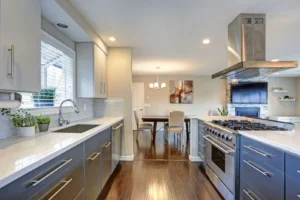
Cabinet replacement is one of the fastest ways to blow through a remodeling budget. In both kitchens and bathrooms, cabinetry takes up a large portion of the visual field, which means changing the color can change the entire room.
If the cabinet boxes are structurally sound, painting them is one of the highest-impact upgrades available. It refreshes the space, modernizes the room, and creates the feeling of a remodel without the cost of new custom units.
Soft white remains a dependable choice because it reflects light and makes compact rooms feel cleaner and larger. Warm greige works well in homes that need something softer than gray. Deep green, navy, and charcoal can also look striking on lower cabinets or bathroom vanities when paired with lighter counters and walls.
Preparation matters more than color. Cabinets should be cleaned thoroughly, lightly sanded, primed, and painted with a durable enamel or cabinet-grade finish. Skipping prep is what causes peeling, streaking, and regret.
For many homeowners, painted cabinets deliver the single biggest transformation per dollar.
2. Replace hardware for an instant update
Hardware is one of those details people overlook until it changes. Cabinet pulls, knobs, drawer handles, faucet levers, and towel hooks all contribute to the overall tone of a room.
Old brass, worn chrome, mismatched handles, or builder-grade knobs can date a kitchen or bath immediately. Replacing them is inexpensive, fast, and visually effective.
Think of hardware as jewelry for the room. It is small, but it influences everything.
Matte black works especially well in modern and transitional homes. Brushed nickel is versatile and forgiving. Champagne bronze adds warmth and reads more elevated than standard gold. In kitchens, longer drawer pulls often feel more current than small knobs. In bathrooms, matching faucet finish, vanity pulls, mirror frame, and towel hardware creates cohesion.
Consistency matters. A coordinated finish across visible metal details makes a room feel designed rather than assembled over time.
This is one of the easiest weekend upgrades available and one of the most satisfying.
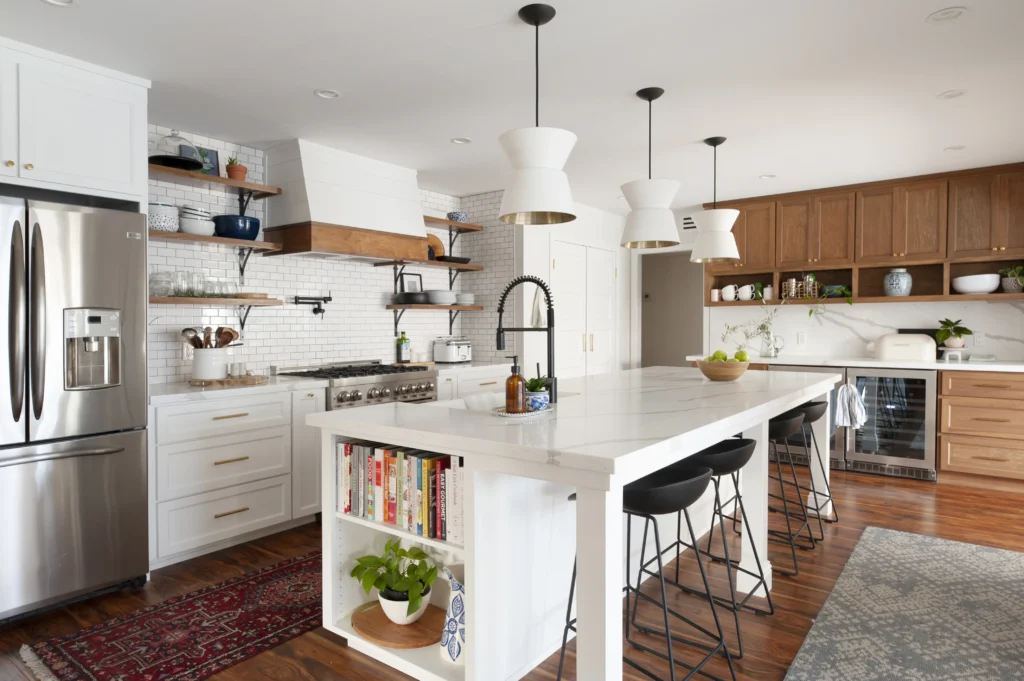
3. Upgrade lighting before anything else
Poor lighting can make a clean room feel dull and a remodeled room feel unfinished. Better lighting improves appearance and function immediately, which makes it one of the smartest low-cost upgrades in both kitchens and bathrooms.
Many older kitchens rely on a single ceiling fixture that casts uneven shadows across work surfaces. Bathrooms often suffer from overhead lighting that is too dim, too yellow, or badly positioned for grooming.
The solution is layered light.
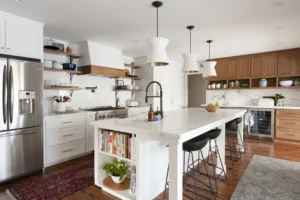
In kitchens, this usually means combining ambient ceiling light with task lighting under cabinets. Under-cabinet LED strips are affordable, easy to install, and dramatically improve prep space. Even simple puck lights can make counters more functional and visually polished.
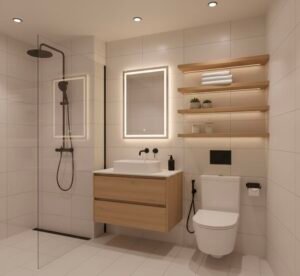
In bathrooms, swap harsh overhead fixtures for vanity lighting placed at eye level or slightly above mirror height. This creates more flattering, useful illumination.
Also pay attention to bulb temperature. Bright white light in the 2700K to 3000K range usually feels warm and clean without becoming sterile. One bulb swap can improve a room more than people expect.
Lighting changes how every other finish looks. Fix that first.
4. Use peel-and-stick backsplash for a fast visual lift
Backsplashes do more than protect walls. They frame the room, break up large surfaces, and introduce texture. In kitchens and baths, they often occupy just enough visual space to influence the entire design.
Traditional tile is great, but peel-and-stick options have improved significantly. Better versions now offer realistic finishes, cleaner edges, and easier installation than earlier generations.
This makes them ideal for budget-conscious updates, rentals, or low-commitment refreshes.
In kitchens, a simple subway pattern remains a dependable option because it looks clean and timeless. In bathrooms, stone-look or soft-textured peel-and-stick tile can elevate a vanity wall without major labor.
The key is restraint. Avoid overly trendy patterns that may age quickly. Simple shapes and neutral tones tend to deliver the best long-term value.
When installed carefully with clean alignment and finished edges, peel-and-stick backsplash can create a polished result for a fraction of the cost of traditional tile.
5. Refresh countertops without replacing them
Countertop replacement can get expensive fast, especially in kitchens. But if the existing surface is level and functional, there are more affordable ways to improve its appearance.
One option is countertop refinishing. Refinishing kits have come a long way and can mimic stone, concrete, or solid surface finishes surprisingly well when applied carefully. While not identical to quartz or granite, they can significantly improve outdated laminate.
Another option is strategic replacement rather than total replacement. In bathrooms, swapping out a vanity top is often far more affordable than replacing kitchen counters and still creates a major visual upgrade.
Butcher block is another strong budget-friendly option, especially in kitchens where warmth is needed. It adds character, softens hard finishes, and can often be installed for less than stone.
Even simple countertop styling can change perception. Remove clutter, add one tray, keep only essentials visible, and let the surface breathe. Sometimes the countertop does not need replacing. It needs editing.
6. Frame the mirror or replace it entirely
Bathroom mirrors are often large, plain, and purely functional. That is exactly why changing them has such a strong effect.
Builder-grade sheet mirrors tend to make bathrooms feel unfinished. Framing one is a low-cost fix that adds instant structure and style. A simple wood or metal-look frame can make the mirror feel custom and intentional.
If the mirror is too small, damaged, or awkwardly placed, replacing it can shift the room immediately. A round mirror softens sharp lines and adds contrast in compact bathrooms. A rectangular framed mirror often feels more tailored and timeless.
This is a small visual change with outsized design impact because mirrors occupy so much wall space.
In design terms, large objects control the room. A better mirror changes the room.
7. Re-caulk and re-grout for a cleaner, newer look
Few upgrades are less glamorous and more effective than fresh caulk and grout.
In bathrooms especially, old caulk around tubs, sinks, and showers can make the room feel dirty even when it is clean. Cracked lines, discoloration, and mildew create an impression of neglect. Replacing them is inexpensive and transformative.
The same goes for grout. Dingy grout lines age a room quickly. Cleaning, recoloring, or re-grouting tile can make floors and walls look dramatically newer without replacing a single tile.
This is one of the best examples of cosmetic maintenance functioning like renovation.
It does not add something flashy. It removes what makes the room feel old.
The result is subtle but powerful: cleaner edges, brighter surfaces, and a bathroom that feels better cared for.
8. Add open shelving where it actually helps
Open shelving is often overused, but in the right place it can be both affordable and useful.
In kitchens, one or two floating shelves can replace the visual heaviness of upper cabinets in a small section of wall. This works especially well near a window, coffee station, or corner where full cabinetry feels bulky.
In bathrooms, open shelving above the toilet, beside a vanity, or on an unused wall can add practical storage without expensive built-ins.
The trick is discipline. Open shelves should hold useful, attractive items: folded towels, glass jars, daily dishes, soaps, baskets, or small plants. They should not become overflow storage for clutter.
Used carefully, open shelving creates breathing room, adds personality, and improves storage without major construction.
9. Change the faucet and make it the focal point
A faucet is one of the most used fixtures in the home and one of the easiest to upgrade.
In both kitchens and bathrooms, replacing a dated faucet instantly improves the look of the room. It also improves the tactile experience of using it every day, which matters more than people realize.
In kitchens, a high-arc pull-down faucet looks more current and functions better than older low-profile designs. In bathrooms, even a simple modern faucet can make an old vanity feel newer.
This is one of the few upgrades that improves both style and daily use at the same time.
Choose a finish that matches the rest of the room’s metal accents and avoid overly ornate shapes unless the house has a strong traditional style.
A faucet may be small, but it gets touched every day. That makes it worth upgrading.
10. Use paint to create contrast and depth
Paint remains the cheapest transformative tool in any room, but in kitchens and baths it works best when used with intention.
Most people think of repainting walls in a safe neutral and stopping there. A better approach is to use paint strategically to create contrast.
Try darker lower cabinets with lighter uppers. Paint the vanity a richer tone than the wall. Use a soft contrasting color behind open shelves. Paint trim to sharpen edges. Add a ceiling color in a powder room for depth.
Even subtle contrast makes a room feel more layered and considered.
Bathrooms especially benefit from stronger color choices because they are smaller, more contained spaces. Powder rooms are ideal places to be bolder without much risk or cost.
Good paint does not just cover. It creates dimension.
11. Improve storage before buying more decor
A room rarely feels luxurious when it feels crowded.
One of the most effective budget upgrades in kitchens and bathrooms is not decorative at all. It is storage correction.
In kitchens, inexpensive drawer organizers, pull-out trays, under-sink bins, and vertical dividers can make existing cabinets work far better. In bathrooms, vanity trays, medicine cabinet inserts, drawer separators, and slim shelving can eliminate visual clutter quickly.
The result is not just better organization. It is a better-looking room.
People often try to decorate around clutter. That rarely works. Function needs to improve before aesthetics can fully land.
When everything has a place, counters clear out, surfaces look larger, and the room feels calmer.
That is not just organization. That is visual design.
12. Style the room like it was finished on purpose
A room can be technically updated and still feel incomplete. Styling is what turns improvement into intention.
This does not mean filling the room with decorative accessories. It means choosing a few deliberate finishing details that make the space feel cohesive.
In kitchens, that may mean a wooden cutting board leaned against the backsplash, one ceramic bowl, a tray beside the sink, or matching soap dispensers. In bathrooms, it may mean folded towels, one candle, a simple bath mat, a small plant, and containers that hide disposable packaging.
These details matter because they remove visual noise and create consistency.
The goal is not decoration for decoration’s sake. It is editing.
The most expensive-looking rooms are often the most restrained.
A well-styled budget room almost always looks more elevated than an expensive room full of clutter.
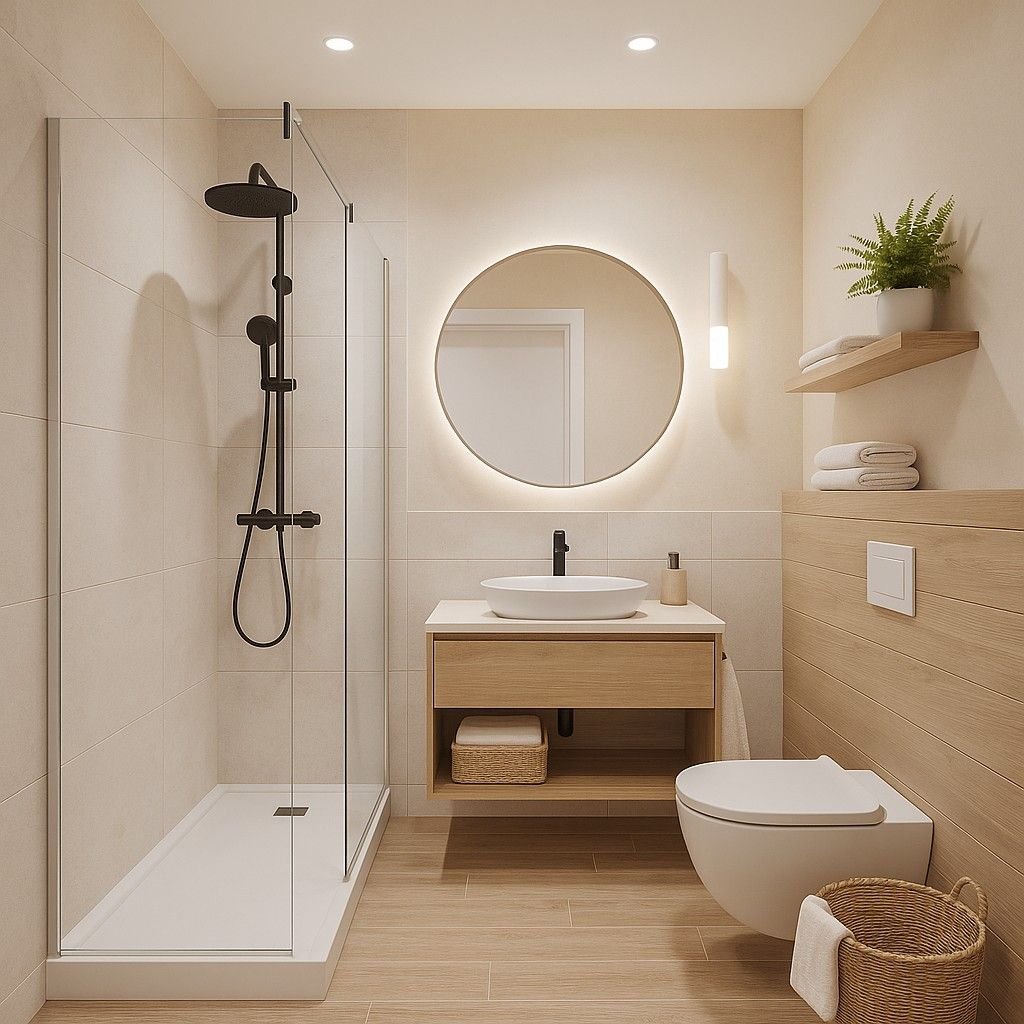
Why budget upgrades often work better than full remodels
There is a common assumption that bigger spending automatically produces better design. In reality, expensive renovations often fail because they chase square footage, trends, or resale formulas instead of daily function.
Budget-conscious upgrades tend to work better because they force prioritization.
You notice what actually bothers you. The bad lighting. The awkward storage. The stained grout. The heavy cabinet color. The faucet that splashes. The cluttered counter. Those are the problems that shape daily experience.
Fixing those issues creates real improvement.
This is why smaller renovations often feel more satisfying than major ones. They solve visible, practical problems without introducing months of disruption, construction stress, and runaway costs.
A budget refresh is often less dramatic on paper and more effective in real life.
Where to spend and where to save
Not every upgrade deserves equal money.
Spend where touch and function matter:
- Faucets
- Lighting
- Cabinet hardware
- Storage inserts
- Durable paint
- Caulk and moisture-resistant materials
Save where visuals can be faked well:
- Backsplash
- Decorative shelving
- Mirror framing
- Styling accessories
- Countertop refinishing
- Paint-led transformations
This approach protects the budget while still creating noticeable change.
People remember how a room feels to use just as much as how it looks.
That is where the smartest money goes.
The real secret to a high-end look on a low-end budget
The most expensive-looking kitchens and bathrooms are not always the ones with the most expensive finishes.
They are the ones that feel clean, cohesive, bright, and intentional.
That is the real formula.
A room feels elevated when:
- finishes coordinate
- counters are clear
- lighting is warm and useful
- hardware matches
- storage is thoughtful
- surfaces are clean
- color feels deliberate
- clutter is controlled
That is what people read as luxury.
Not price. Precision.
A budget does not prevent a beautiful kitchen or bathroom. Poor decisions do.
The advantage of working with less is that it forces clarity. You stop chasing everything and start improving what matters. And in rooms used every day, that is where the best transformations happen.
FAQs
1. What is the cheapest way to update a kitchen without remodeling?
The cheapest high-impact kitchen updates are usually paint, hardware, lighting, and decluttering. Painting cabinets, replacing drawer pulls, adding under-cabinet lighting, and clearing countertops can make a kitchen feel dramatically newer without major renovation costs.
2. How can I make my bathroom look expensive on a budget?
Focus on details that create polish. Replace the faucet, frame the mirror, update lighting, re-caulk edges, and use matching accessories. A clean, coordinated bathroom often looks more expensive than one filled with costly but mismatched finishes.
3. Is peel-and-stick backsplash worth it?
Yes, especially for budget refreshes, rentals, or quick cosmetic upgrades. Better-quality peel-and-stick backsplash products can look surprisingly polished when installed carefully and work well in kitchens, laundry rooms, and bathroom vanity areas.
4. Should I paint or replace bathroom cabinets?
If the cabinets are structurally sound, painting is usually the better budget move. Replacing cabinets is much more expensive, while paint can deliver a strong visual transformation for a fraction of the cost.
5. What adds the most value to a small bathroom?
Lighting, mirror upgrades, fresh caulk, better storage, and a modern vanity area tend to add the most value visually and functionally. Small bathrooms benefit most from cleaner lines, brighter surfaces, and less clutter.
6. How do I update my kitchen and bathroom on the same budget?
Prioritize shared upgrades that create impact in both spaces: paint, hardware, lighting, faucets, and organization. These changes improve appearance and usability in both rooms without requiring separate major renovation budgets.