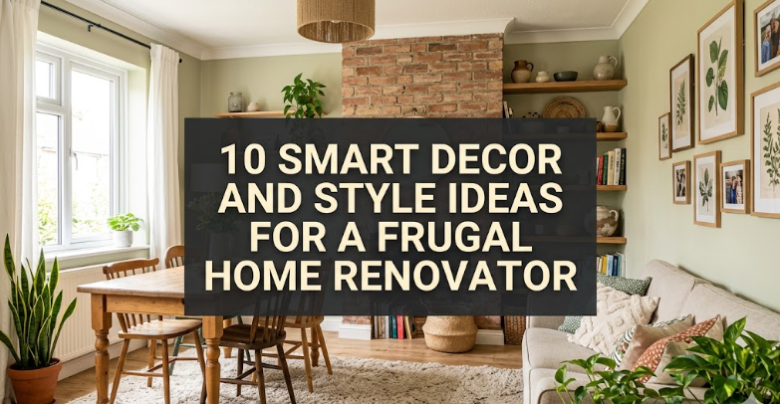
10 Smart Decor and Style Ideas for a Frugal Home Renovator
Renovating a home on a tight budget is less about limitation and more about perspective. When money is scarce, creativity tends to stretch further. You begin to see potential where others see junk, charm where others see outdated, and possibility where others might walk away. A frugal home renovator doesn’t chase perfection; they curate personality. They don’t aim for magazine spreads; they aim for comfort, story, and a lived-in kind of beauty that cannot be bought off a shelf.
This guide isn’t just a list of ideas—it’s a way of thinking. Each section includes not only inspiration but also practical ways to implement it, small exercises, and reflective prompts so your renovation feels intentional rather than rushed.
- repaint instead of replace
Before you tear out cabinets, doors, or furniture, ask a simple question: “Can this be revived?” Paint is one of the most powerful tools in a frugal renovator’s arsenal. It can modernize a dated kitchen, brighten a gloomy hallway, or transform a worn-out dresser into a focal point.
Instead of replacing wooden cabinets, sand them lightly and apply a fresh coat in a soft neutral or bold matte shade. Swap out handles afterward for an instant upgrade. Even mismatched furniture pieces can be unified with one cohesive color.
Try this:
Walk through your home and make a list of items you initially thought needed replacing. Then, next to each, write how paint could transform it. This simple exercise often cuts renovation costs dramatically.
- mix high and low elements intentionally
A home filled entirely with cheap items can look flat, but a home with a thoughtful mix of budget and statement pieces feels curated. You don’t need everything to be expensive—you just need a few anchor pieces that draw attention.
For example, you might invest in one quality light fixture or a well-crafted mirror, then pair it with thrifted furniture and DIY decor. The contrast creates depth.
Think of it like dressing well on a budget: one standout piece can elevate everything else.
Reflection:
Choose one area in your home and decide what deserves to be the “hero” piece. Everything else should support it, not compete with it.
- use textiles to transform spaces
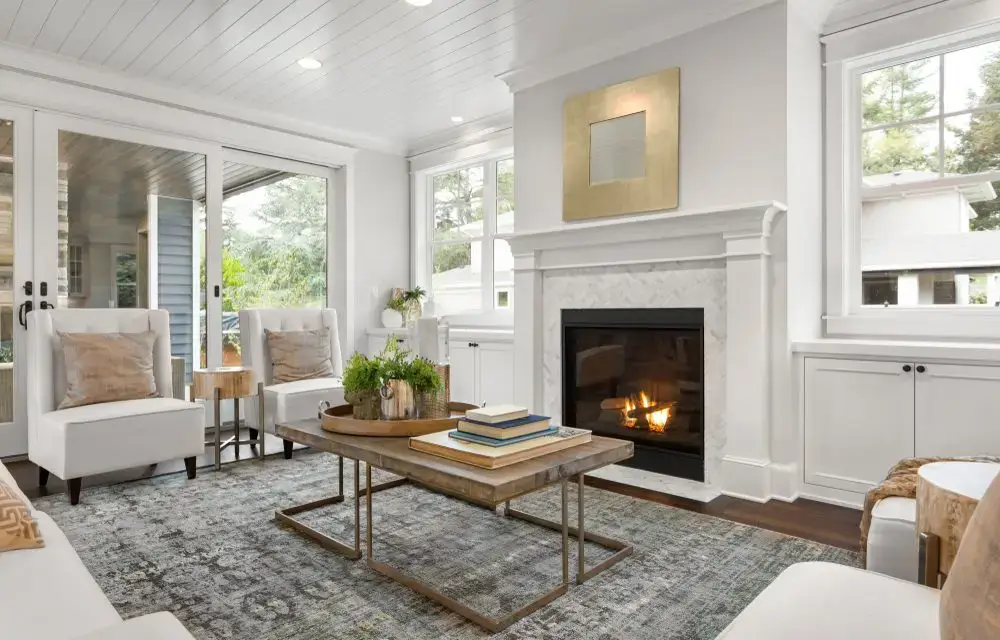
Textiles are often underestimated. Curtains, rugs, cushions, and throws can completely shift the mood of a room without any structural change.
Layering textures—like a woven rug over plain flooring, or linen curtains against a painted wall—adds warmth and dimension. Even old furniture can feel new with updated fabric.
A worn-out sofa? Add a fitted cover and a mix of cushions in complementary tones. Suddenly, it feels styled rather than tired.
Quick tip:
Look for second-hand fabrics or discounted remnants. Even a few meters can go a long way in making cushion covers or table runners.
- embrace open shelving
Closed cabinets can feel bulky and dated. Open shelving, on the other hand, feels airy and modern—and it’s far cheaper to install.
In kitchens, replace a couple of upper cabinets with wooden shelves. Display everyday items like plates, jars, and mugs in an organized way. In living spaces, shelves can hold books, plants, and personal objects.
The key is intentional arrangement. It should look curated, not cluttered.
Mini exercise:
Take everything off one shelf and rebuild it slowly. Only put back items that serve a purpose or bring joy. This helps you develop a better eye for styling.
- repurpose with creativity
Frugality thrives on imagination. An old ladder can become a bookshelf. Wooden crates can turn into storage units. A vintage trunk can double as a coffee table.
Repurposing not only saves money but also gives your home character. These pieces often carry stories, making your space feel unique rather than generic.
Challenge:
Pick one unused item in your home and brainstorm three different ways it could be repurposed. Even if you don’t use all ideas, the exercise sharpens your creative thinking.
- lighting as a design tool
Lighting is often treated as an afterthought, but it can define the atmosphere of a room. Soft, warm lighting creates comfort, while brighter lighting enhances functionality.
Instead of relying solely on overhead lights, introduce layers: floor lamps, table lamps, or even string lights in certain areas. These don’t have to be expensive—many affordable options can still look elegant when placed thoughtfully.
A well-lit corner can become a reading nook, a workspace, or a calming retreat.
Try this:
Turn off your main light one evening and use only lamps. Notice how the mood of the room changes. This will help you understand the power of layered lighting.
- create focal walls without overspending
Accent walls don’t require expensive wallpaper or materials. You can achieve striking results with paint techniques, stencils, or even simple geometric designs using tape.
Another option is a gallery wall using a mix of frames—some new, some thrifted, some DIY. The variety adds charm.
You can also use removable decals if you want flexibility without commitment.
Reflection:
A focal wall should tell a story. Ask yourself what you want someone to feel when they look at it—calm, curiosity, nostalgia—and design accordingly.
- bring nature indoors
Plants are one of the most cost-effective ways to add life to a home. Even a small plant on a windowsill can make a space feel fresh.
If you’re on a tight budget, start with easy-to-grow varieties or propagate from cuttings. Over time, your collection grows naturally.
You can also incorporate natural materials like wood, jute, or stone to enhance the effect.
Simple practice:
Start with one plant in a room that feels dull. Observe how it changes the energy of the space. Then gradually add more where needed.
- declutter as a design strategy
Sometimes the most impactful “renovation” is simply removing excess. Clutter can make even the nicest decor feel chaotic.
A frugal renovator learns to edit. Keep what you use, love, or need. Let go of what doesn’t serve you.
This not only improves the look of your home but also reduces the urge to buy more.
Exercise:
Choose one drawer or shelf and declutter it completely. Notice how the space feels afterward. This small win can motivate larger changes.
- personalize with meaningful details
A stylish home isn’t about trends—it’s about identity. Incorporate items that reflect your experiences, culture, and personality.
This could be handmade crafts, travel souvenirs, family heirlooms, or even framed handwritten notes.
These elements make your home feel authentic. No catalog can replicate that.
Reflection:
Walk through your home and ask: “Does this space feel like me?” If not, think about what small additions could make it more personal.
bringing it all together
A frugal renovation isn’t a single project; it’s a series of thoughtful decisions. It’s about working with what you have, spending where it matters, and finding beauty in simplicity.
You don’t need a massive budget to create a home you love. You need patience, creativity, and a willingness to see things differently.
Over time, your home becomes a reflection of your journey—each piece chosen, each corner shaped with intention.
FAQs
- how can I renovate my home with almost no budget?
Start by focusing on what you can change without spending much—cleaning, decluttering, rearranging furniture, and repainting. Small updates like changing cushion covers or adding plants can make a big difference. - what is the most cost-effective upgrade in a home?
Painting is usually the most affordable and impactful upgrade. It can completely transform walls, furniture, and even floors in some cases. - how do I make cheap decor look expensive?
Focus on simplicity and cohesion. Stick to a consistent color palette, avoid overcrowding, and mix in one or two statement pieces to elevate the overall look. - is DIY always cheaper than buying new?
Not always, but often. DIY can save money if you already have tools and materials. However, it’s important to consider time and effort as well. - how do I avoid making my home look cluttered?
Be intentional with what you keep. Use storage solutions, limit decorative items, and regularly reassess your space to remove what’s unnecessary. - can small spaces still look stylish on a budget?
Absolutely. In fact, small spaces benefit the most from thoughtful design. Use light colors, mirrors, and multifunctional furniture to maximize both style and function.
A frugal home renovator doesn’t chase perfection—they build it slowly, piece by piece, with intention. And in the end, that kind of home feels richer than any expensive makeover ever could.