6 Smart Decor and Style Changes That Boost Home Value
There’s a quiet truth about homes that most people only realize when they’re about to sell: value isn’t just about square footage or location. It’s about how a space feels, how it flows, and how effortlessly it suggests a life someone else wants to step into. Buyers rarely say, “I love the insulation” or “the wiring is impressive.” They say things like, “It feels right,” or “I can imagine living here.”
That “feels right” factor often comes from thoughtful decor and style decisions. Not expensive ones necessarily—just intentional ones. The kind that make a home look cared for, updated, and ready.
Below are six smart decor and style changes that can significantly boost a home’s value, not just on paper but in perception, which is where deals are often made or lost.
—
- Rethinking color: neutral, but not boring
Color has an outsized impact on how a home is perceived. Walk into a room with bold, personal colors—deep purples, neon greens, intense reds—and you’ll immediately feel someone else’s personality. That’s fine for living, but not for selling or boosting value.
The trick is not to strip color entirely, but to soften it.
Think of neutrals as a language most buyers understand. Shades like warm whites, soft greys, muted beiges, and even gentle sage greens create a backdrop that allows people to project their own taste onto the space.
But neutral doesn’t mean lifeless.
A well-balanced room might include:
- Walls in a soft, creamy off-white
- Trim in a slightly brighter white for contrast
- Textiles (like cushions or rugs) introducing subtle warmth
Try this quick transformation exercise:
Before:
Dark blue walls, heavy curtains, mismatched decor
After:
- Walls repainted in a warm neutral
- Curtains replaced with light, airy fabric
- Accent pieces limited to 2–3 cohesive tones
The difference is immediate. The room feels bigger, brighter, and more welcoming.
A simple rule to follow:
If a color choice might make someone say, “I’d have to repaint,” it’s probably hurting your home’s value.
—
- Lighting that works like a silent salesperson
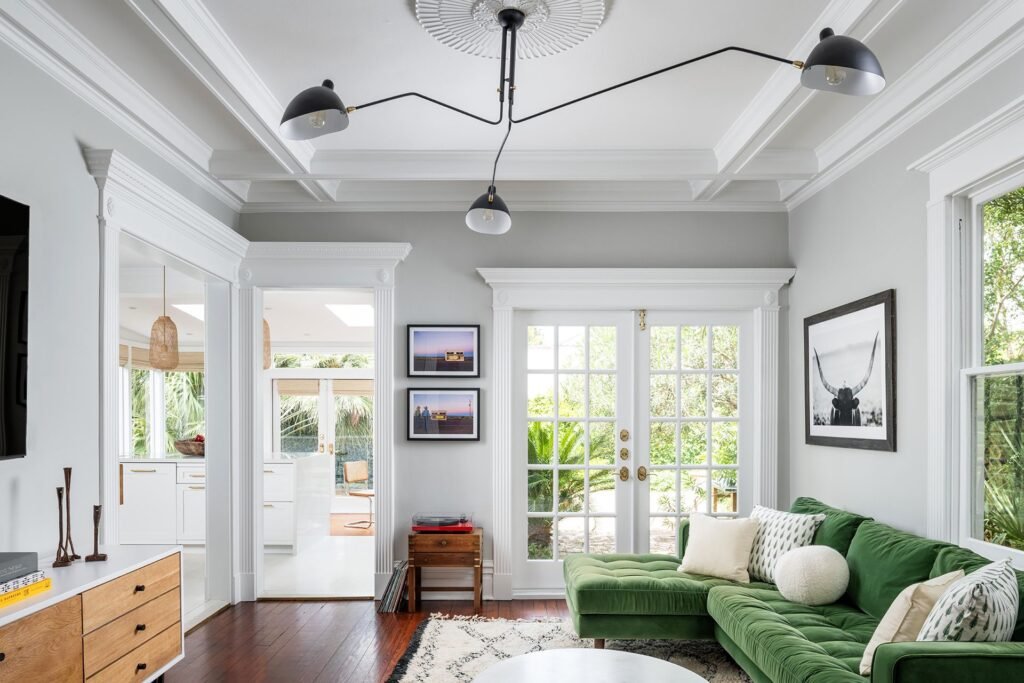
Lighting is often overlooked, yet it shapes how every other feature is seen. A beautiful room can feel dull under poor lighting, while a modest space can feel elevated with the right setup.
There are three layers of lighting that every valuable home tends to have:
Ambient lighting – the general light that fills the room
Task lighting – focused light for specific activities
Accent lighting – subtle highlights that add depth
Many homes rely only on a single overhead fixture. That’s like telling a story with one tone—it works, but it lacks richness.
Instead, imagine this layering approach:
Living room setup:
- Soft overhead light (warm temperature)
- Floor lamp near seating
- Table lamp on a side table
- Optional LED strip behind shelves or TV
Kitchen setup:
- Bright overhead lighting
- Under-cabinet lighting
- Pendant lights over an island
Small changes like switching to warm LED bulbs, adding a floor lamp, or installing dimmers can transform the entire atmosphere.
Lighting also affects perceived cleanliness and size. Bright, balanced light makes spaces feel:
- Larger
- Cleaner
- More modern
A poorly lit home, even if spotless, can feel tired.
—
- Upgrading the kitchen without a full renovation
The kitchen is often described as the heart of the home, but in terms of value, it’s also the deal-maker.
The good news? You don’t need a full renovation to make a significant impact.
Focus on high-visibility elements:
Cabinet refresh
Instead of replacing cabinets, consider:
- Repainting in modern tones (white, grey, or soft navy)
- Changing handles to sleek, contemporary hardware
Countertop illusion
If replacing countertops isn’t feasible:
- Use high-quality countertop wraps or refinishing kits
- Keep surfaces uncluttered to highlight space
Backsplash update
A new backsplash can redefine the kitchen’s style. Even peel-and-stick options can:
- Add texture
- Introduce subtle pattern
- Make the kitchen look newly renovated
Before and after snapshot:
Before:
- Dark cabinets
- Outdated handles
- Busy countertops
After:
- Light-colored cabinets
- Minimalist hardware
- Clean, open surfaces
The kitchen suddenly feels intentional and updated.
Bonus detail: symmetry matters. Even spacing of items, aligned cabinet handles, and consistent finishes create a sense of quality that buyers notice subconsciously.
—
- Flooring that ties everything together
Flooring is one of the first things people notice when they walk into a home. It literally grounds the entire experience.
Mismatched, worn, or outdated flooring can lower perceived value quickly.
But replacing all flooring isn’t always necessary.
Start by asking:
Is the flooring consistent from room to room?
Consistency creates flow. Flow makes a home feel larger and more cohesive.
If full replacement isn’t possible, consider these upgrades:
- Deep cleaning carpets or replacing only in high-traffic areas
- Using large area rugs to unify spaces
- Refinishing hardwood instead of replacing it
If you are replacing flooring, aim for:
- Light to medium wood tones
- Simple, natural textures
- Durable materials that appeal broadly
A quick comparison:
Fragmented flooring:
Tile → carpet → laminate → hardwood
Result: disjointed, smaller feel
Unified flooring:
Same tone or complementary materials throughout
Result: seamless, spacious feel
Even small visual tricks—like aligning floor patterns or choosing wider planks—can make rooms appear larger.
—
- Curb appeal: the first five seconds that matter
Before anyone steps inside, they’ve already formed an opinion.
Curb appeal isn’t just about impressing neighbors—it directly influences perceived value and buyer interest.
The good news is that small, targeted changes can have a big impact.
Start with the entryway:
- Clean or repaint the front door
- Update house numbers
- Add a simple doormat and a potted plant
Then move outward:
- Trim overgrown plants
- Keep the lawn neat (even minimal greenery helps)
- Ensure lighting fixtures are clean and functional
Try this quick upgrade checklist:
[ ] Door in good condition
[ ] Outdoor lights working
[ ] Pathway clean and clear
[ ] Visible clutter removed
[ ] A touch of greenery added
Even in urban settings or apartments, the entrance area can be styled to feel inviting.
Psychologically, curb appeal does something powerful: it sets expectations. A well-maintained exterior suggests the interior is equally cared for.
—
- Decluttering and styling with intention
Perhaps the most cost-effective upgrade of all is also the most underestimated.
Decluttering isn’t just about removing mess—it’s about creating space for imagination.
When a home is overcrowded with furniture or personal items, it tells a very specific story. Buyers struggle to see their own life fitting in.
The goal is not to make the home empty, but to make it breathable.
Think of each room as needing:
- A clear focal point
- Enough open space to move comfortably
- A balance between function and simplicity
A practical method:
The 3-layer rule:
- Keep essential furniture
- Add a few decor accents
- Leave visible empty space
Example:
Living room before:
- Multiple small tables
- Excess cushions
- Personal photos everywhere
After:
- One main coffee table
- 2–3 cushions in coordinated tones
- Minimal decor, with a single statement piece
The room feels larger, calmer, and more refined.
Another powerful trick is “staging through lifestyle.”
Instead of random decor, create small scenes:
- A tray with a book and a cup on the coffee table
- A neatly made bed with layered pillows
- A dining table set simply, not extravagantly
These subtle cues help people imagine living there.
—
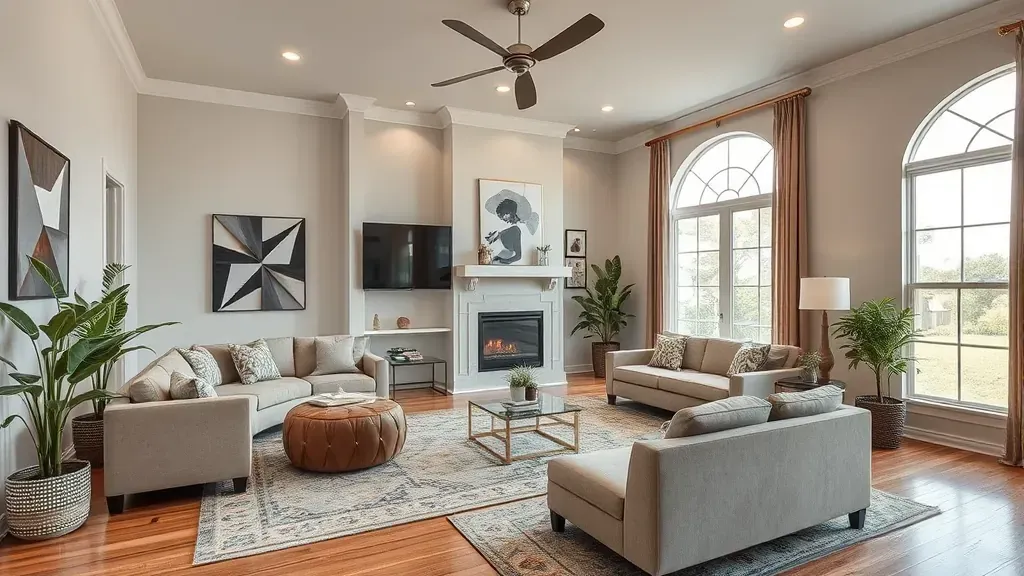
Bringing it all together
Each of these changes works on its own, but their real power comes from combination.
A home with:
- Balanced colors
- Thoughtful lighting
- A refreshed kitchen
- Consistent flooring
- Strong curb appeal
- Intentional styling
…feels complete.
And completeness translates into value.
It’s not about tricking buyers—it’s about presenting the home at its best. When a space feels ready, people are willing to pay more for it.
—
A quick summary table for reference
Change | Cost Level | Impact Level
Color refresh | Low | High
Lighting upgrade | Low–Medium | High
Kitchen mini-updates | Medium | Very High
Flooring improvements | Medium | High
Curb appeal | Low | High
Decluttering & styling | Low | Very High
—
Common mistakes to avoid
Even with the best intentions, some decor choices can backfire:
- Over-personalization (too many bold or niche styles)
- Mixing too many design themes
- Ignoring small repairs (they signal neglect)
- Overcrowding rooms with furniture
- Using harsh, mismatched lighting
Sometimes boosting value is less about adding and more about editing.
—
Final thoughts
Improving a home’s value doesn’t always require heavy construction or large budgets. Often, it’s about clarity—removing what distracts, enhancing what works, and presenting everything in a cohesive way.
A well-styled home doesn’t just look better; it communicates something subtle but powerful: this place has been cared for.
And that’s what people are really buying.
—
FAQs
- Do I need to hire a professional designer to boost my home’s value?
Not necessarily. Many of the changes described—like decluttering, repainting, and improving lighting—can be done independently. However, if the budget allows, a designer can help refine decisions and avoid costly mistakes.
- Which upgrade gives the fastest return on investment?
Decluttering and painting usually provide the quickest and most noticeable return. They are relatively low-cost but dramatically improve how a home is perceived.
- Is it worth updating an old kitchen if I’m on a tight budget?
Yes, but focus on surface-level improvements. Repainting cabinets, updating hardware, and improving lighting can make an older kitchen feel modern without a full renovation.
- How important is lighting compared to other upgrades?
Very important. Lighting affects how every other feature is seen. Even small lighting changes can elevate the overall impression of a home.
- Should I remove all personal items when styling my home?
You don’t have to remove everything, but minimizing personal items helps potential buyers imagine themselves in the space. Aim for a balance between lived-in and neutral.
- Can small homes benefit from these changes as much as larger ones?
Absolutely. In fact, smaller homes often benefit more because improvements like better lighting, decluttering, and cohesive design make a bigger difference in how space is perceived.