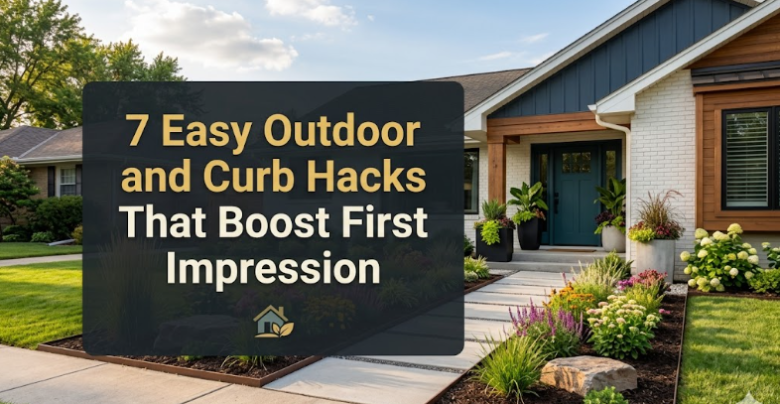
7 Easy Outdoor and Curb Hacks That Boost First Impression
The first impression of a home doesn’t wait politely at the front door. It starts at the curb, lingers on the walkway, pauses at the mailbox, and quietly judges everything in between. Whether you’re preparing to sell, welcoming guests, or simply craving a sense of pride every time you arrive home, the outdoor appearance of your space carries more influence than most people realize.
What’s interesting is that transforming your home’s exterior doesn’t require a massive renovation budget or professional landscaping crew. Often, the most impactful upgrades are small, intentional changes that shift how everything feels. Texture, light, color, and order—all of these can be manipulated in simple ways to create an inviting and memorable entrance.
This guide walks through seven approachable outdoor and curb hacks that can dramatically improve your home’s first impression. These ideas are not just surface-level tips; they’re practical, tested adjustments that blend aesthetics with functionality. Think of them as quiet upgrades that speak loudly.
- redefine your entry path with contrast and clarity
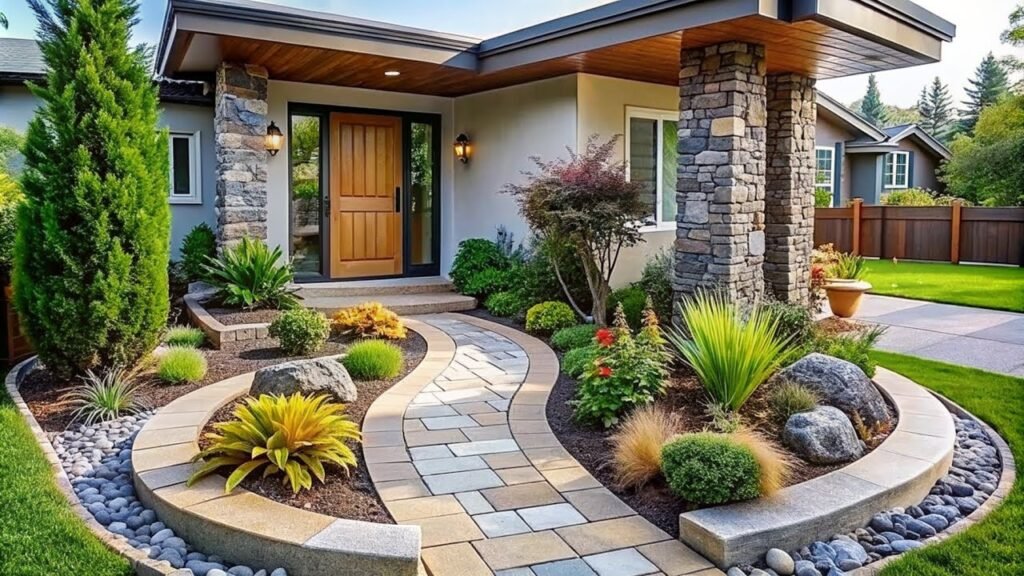
Your walkway is more than a functional strip leading to your door. It’s a visual guide. When it’s neglected, cracked, or visually lost in the surroundings, the entire home feels less intentional.
Start by observing how your path looks from a distance. Does it stand out, or does it blend awkwardly into the lawn or driveway? A strong first impression often comes from contrast. You don’t need to rebuild the path—just outline and define it.
Here are a few subtle ways to elevate it:
- edge it with inexpensive stone or brick borders
- add solar path lights at even intervals
- use gravel or mulch to create a clean boundary
- pressure wash the surface for an instant refresh
Even something as simple as a clearly defined edge can make a walkway feel deliberate instead of accidental. When guests can visually “follow” a path, it creates a sense of order and welcome.
A small personal touch: try placing two symmetrical planters at the start of the walkway. It signals an entrance point and gives structure to the entire front yard.
- refresh the front door like it matters (because it does)
If your home had a face, the front door would be its expression. It’s where people look naturally, and it’s often the last thing they see before stepping inside.
You don’t need to replace your door to make it stand out. A fresh coat of paint can completely transform its presence. Choose a color that contrasts with your exterior but still complements it.
Some practical tips for choosing a door color:
- dark tones (navy, charcoal) feel modern and grounded
- bold tones (red, teal, mustard) create personality
- neutral tones (black, white) offer timeless simplicity
Beyond paint, small upgrades can make a big difference:
- replace old hardware with a modern handle or knocker
- install a clean, readable house number
- add a seasonal wreath or minimalist decor
The goal is not to overwhelm but to make the door feel intentional. When someone approaches your home, the door should look like it was cared for—not forgotten.
- layer your lighting for warmth and safety
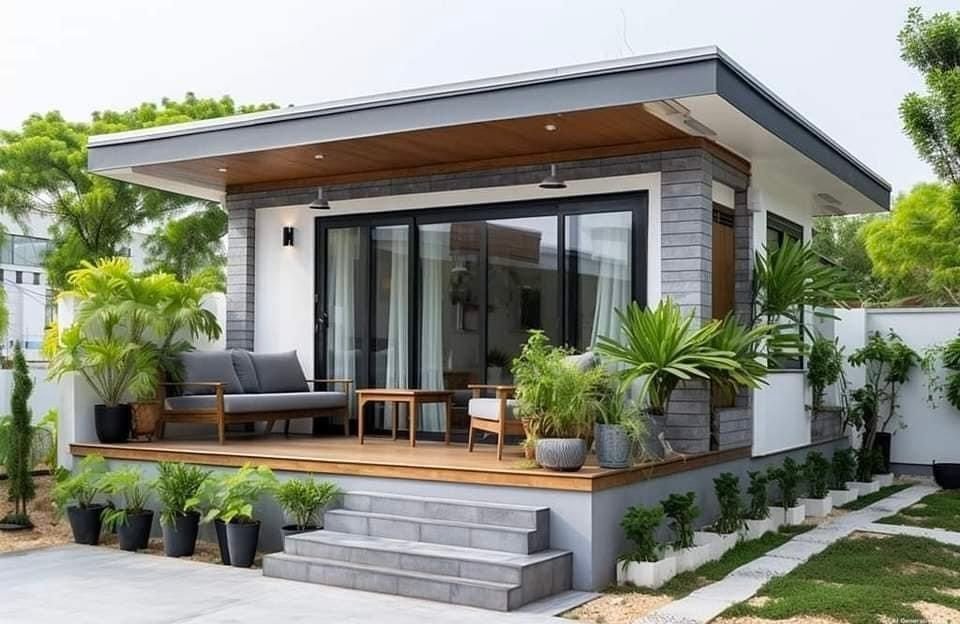
Outdoor lighting is often treated as an afterthought, yet it plays a major role in both aesthetics and functionality. Poor lighting can make even a beautiful home feel uninviting, while well-placed lighting adds depth, warmth, and security.
Think in layers rather than a single light source:
- ambient lighting: porch lights or wall-mounted fixtures
- pathway lighting: small solar or LED lights along walkways
- accent lighting: highlighting plants, trees, or architectural details
Warm-toned bulbs generally create a more inviting feel than harsh white light. Aim for consistency—mismatched lighting temperatures can make the space feel disjointed.
A simple hack: replace outdated fixtures with modern ones that match your home’s style. Even budget-friendly options can dramatically improve the look.
Lighting isn’t just about visibility. It’s about atmosphere. A softly lit entry can make your home feel welcoming long before the door opens.
- use greenery strategically, not randomly
Plants can either elevate your home’s exterior or make it feel cluttered. The difference lies in placement and intention.
Instead of scattering pots and plants without a plan, think in terms of structure:
- place taller plants near corners or entry points
- use symmetrical arrangements around the door
- keep lower plants along pathways or borders
You don’t need an extensive garden. A few well-chosen plants can do more than a dozen random ones.
Low-maintenance options to consider:
- evergreen shrubs for year-round structure
- potted plants that can be rearranged easily
- herbs that add both greenery and function
Consistency matters more than variety. When the plants feel coordinated, the space feels calm and curated.
One overlooked trick: refresh the soil surface with mulch or decorative stones. It instantly makes plants look healthier and more intentional.
- declutter like you’re editing a photo
Clutter outdoors often goes unnoticed because it accumulates slowly. A hose here, an old pot there, a forgotten tool leaning against the wall. Individually, these items seem harmless. Together, they dilute the entire look.
Approach your outdoor space like you would edit a photograph—remove anything that doesn’t contribute to the final image.
Common clutter to eliminate:
- unused furniture or broken decor
- tangled hoses or exposed tools
- faded or mismatched pots
- excessive decorations that compete for attention
Storage solutions don’t need to be fancy. A simple outdoor box or shed can hide most functional items.
Once clutter is removed, the remaining elements have room to breathe. This alone can make your home feel more polished without spending a single rupee.
- upgrade the mailbox and small details people notice
Some of the most powerful curb appeal upgrades are the smallest ones. The mailbox, house numbers, doorbell, and even the doormat all contribute to the overall impression.
These details often get ignored because they seem insignificant. But they’re exactly the kind of things people subconsciously notice.
Simple upgrades include:
- replacing an old mailbox with a clean, modern one
- installing bold, readable house numbers
- choosing a fresh, welcoming doormat
- repainting or cleaning fences and gates
Try to keep these elements cohesive. Matching finishes (like black metal or brushed steel) can tie everything together.
A good rule: if something looks worn or outdated, it’s worth refreshing. These changes are usually inexpensive but highly visible.
- create a focal point that anchors the space
Every visually appealing space has a focal point—a feature that draws the eye and gives everything else context. Without it, the yard can feel scattered or forgettable.
Your focal point doesn’t need to be extravagant. It just needs to be intentional.
Ideas for simple focal points:
- a statement planter near the entrance
- a small seating area with two chairs
- a decorative tree or sculptural plant
- a water feature, even a small one
The key is placement. Position your focal point where it naturally catches attention, such as near the walkway or front door.
Once you establish a focal point, other elements should support it rather than compete with it. This creates harmony and makes the entire space feel designed rather than assembled.
bringing it all together
Improving your home’s first impression isn’t about chasing perfection. It’s about making thoughtful adjustments that shift how the space feels. Each of these hacks works on its own, but their real power comes from combining them.
Imagine approaching a home where the path is clearly defined, the lighting is warm, the plants are intentional, and the door feels inviting. Even if the house itself is modest, the overall impression becomes memorable.
Consistency, cleanliness, and a touch of personality—these are the real ingredients of curb appeal.
And perhaps the most satisfying part? None of this requires a massive budget or professional help. Just attention, intention, and a willingness to see your space differently.
practical checklist you can use today
Walk outside and look at your home as if you’re seeing it for the first time. Then go through this quick checklist:
- is the path clearly defined and clean?
- does the front door stand out positively?
- is the lighting warm and layered?
- are the plants placed intentionally?
- is there any visible clutter?
- do small details look fresh and cohesive?
- is there a clear focal point?
Even addressing two or three of these can noticeably improve your home’s presence.
frequently asked questions
- what is the fastest way to improve curb appeal without spending much money?
Cleaning and decluttering are the fastest and most cost-effective improvements. Pressure washing surfaces, trimming plants, and removing unnecessary items can instantly make your home look more maintained and inviting. - how important is the front door color in first impressions?
Very important. The front door naturally draws attention, so a fresh and well-chosen color can dramatically change how the entire home feels. It acts as a visual anchor for the exterior. - can lighting really make a difference during the day?
While lighting is most noticeable at night, well-designed fixtures also enhance the look of your home during the day. They add structure and style even when they’re not turned on. - how many plants should i use for a small front yard?
Focus on quality over quantity. A few well-placed plants often look better than many scattered ones. Aim for balance and symmetry rather than filling every empty space. - do small details like mailboxes and house numbers really matter?
Yes, they do. These elements contribute to the overall impression and can make a home feel either polished or neglected. Updating them is usually inexpensive but highly impactful. - how do i choose a focal point for my yard?
Look for a natural area where attention tends to go, such as near the entrance or walkway. Choose something simple but noticeable, and arrange other elements to support it rather than compete with it.
A home doesn’t need to be large or luxurious to leave a lasting impression. It just needs to feel cared for. And often, that care is communicated through the smallest, simplest details.