
Meta Description: 5 Easy Budget DIY Home Upgrades I Wish I Tried Sooner — inexpensive, accessible projects that rework your space without breaking the bank. Start upgrading your home today!
5 Easy, Affordable, DIY Home Upgrades I Wish I Did Sooner
There’s a moment every homeowner knows too well.
You’re sitting in your living room, looking at a scuffed wall or an outdated cabinet and you think: “Why have I not fixed this yet?”
The answers are almost always the same — time, money, or fear that DIY projects are simply too complicated. But here’s the catch: Some of the most rewarding home improvements can be made for less than a dinner out. And they are completed in a single weekend.
I procrastinated on so many of these projects for years. When I actually tried them, I regretted waiting so long.
Here are 5 simple budget DIY home upgrades that really transformed the way my home looks and feels. These aren’t quick fixes that unravel in a month. These are real, sustainable improvements — on a shoestring budget.
Let’s get into it.
Budget DIY Upgrades Are Worth Your Time
Before diving, let us discuss why this is a no-brainer thing to do right now!
Home renovation costs have increased. Even small jobs can cost hundreds — sometimes thousands of dollars — when you hire a contractor. But many of those jobs? They can be done by you with simple tools and a little patience.
Benefits of DIY home upgrades include:
- Saving big on labour costs
- Learning new skills that will pay off over and over
- Getting the exact result you want
- The satisfaction of doing it yourself
You don’t need to be handy. You don’t have to have a garage full of tools. The majority of the projects below require little more than what you can pick up at a hardware store for under $50.
What Constitutes a Good Budget DIY Upgrade?
Not every do-it-yourself project is worth the time. A decent budget upgrade will check most of these boxes:
| Criteria | What It Means |
|---|---|
| Low cost | Materials under $100, preferably under $50 |
| High visual impact | Apparent change when complete |
| Beginner-friendly | No special skills or licenses required |
| Time-efficient | Completes in a weekend or less |
| Long-lasting | Should not need to be redone within the year |
All five projects below meet all of these criteria. They all offer visible results without the need for professional assistance.
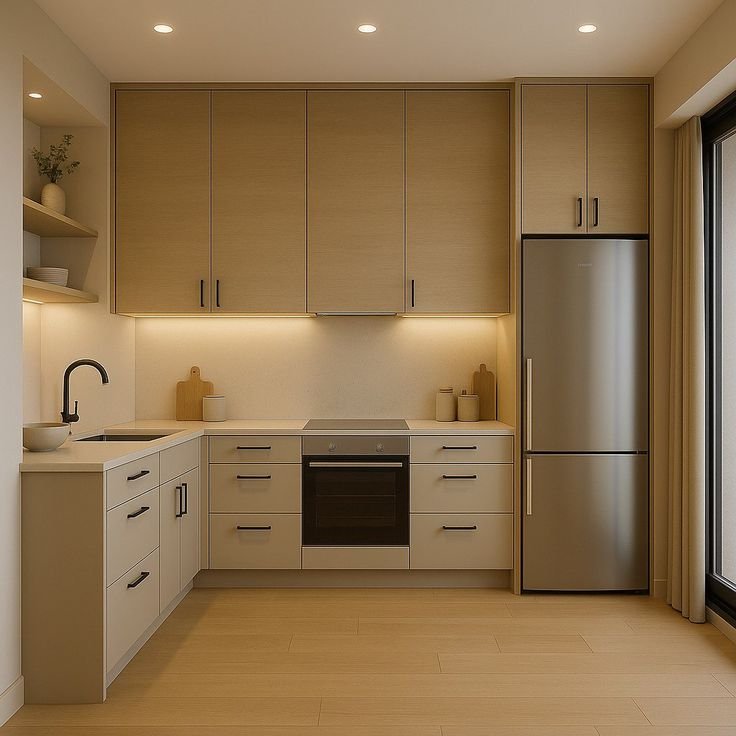
Upgrade #1 — New Paint for an Accent Wall
This One Change Makes a Room Feel New
If there’s one upgrade that delivers the greatest return on investment, it’s a new coat of paint on an accent wall.
An accent wall is a single wall in a room that is painted a different color from the rest. It adds dimension, gives a space a more purposeful feel and lends any room an entirely new identity.
The best part? A gallon of decent wall paint starts at $25 and can go up to $50. That’s sufficient to paint an average-size wall with two coats.
How to Pick the Right Color
This is where, generally speaking, most people get stuck. Color choice feels overwhelming. But it doesn’t have to be.
One simple rule: aim one or two shades deeper than your existing wall color. If your walls are beige, opt for a warm terracotta or olive green. If they’re light gray, go for a deep slate or navy blue.
Most hardware stores also offer free paint samples. Tape them to your wall and sit with them for a day before you commit.
Step-by-Step: Painting Your Accent Wall
- Clean the wall using a damp cloth
- Use painter’s tape to line the edges
- If the color change is drastic, apply a primer coat
- Paint in a “W” shape to avoid streaks
- Allow it to dry completely before repeating the process
- Pull off the tape gently while the paint is a bit wet
Total cost: $30–$60 Time required: 4–6 hours (including drying time)
Tips That Save You a Ton of Trouble
- Use a brush for the edges and a roller for the rest of the surface
- Don’t forget the painter’s tape — this makes for clean lines
- Flat finish conceals imperfections; satin finish is easier to clean
Upgrade #2 — Change Your Cabinet Hardware
The Importance of Cabinet Handles Is More Than You Think
Kitchen and bathroom cabinetry occupies a huge swath of visual real estate in your home. But most people never focus on the hardware — the knobs and pulls holding everything together.
Old, tired hardware can make even a clean kitchen feel dated. But adding new hardware can make your cabinets look like they’re freshly installed.
This is one of the quickest budget-friendly DIY home upgrades you can make. It takes less than an hour to swap 10 cabinet handles.
Choosing Hardware That Works
Three main styles exist to consider:
| Style | Ideal For | Appearance |
|---|---|---|
| Bar pulls | Modern kitchens | Sleek and minimal |
| Cup pulls | Farmhouse or vintage-style kitchens | Warm and classic |
| Round knobs | Bathrooms or small cabinets | Simple and versatile |
Before you buy, measure your current hardware. The vast majority of pulls come in 3-inch or 3.75-inch hole spacing. If you match this, no new holes are needed.
The Replacement Process
You’ll need a screwdriver, the new hardware and about 45 minutes.
- Unscrew the old knob or pull from the inside of the cabinet
- If they match up, just screw the new hardware in directly
- If holes don’t line up, fill old holes with a dab of wood filler, allow to dry, sand smooth, then drill the new ones
Total cost: $30–$80, depending on how many cabinets you have Time required: 30–60 minutes
Where to Find Affordable Hardware
- IKEA has simple, modern styles starting at $2 a piece
- Amazon and Home Depot carry bulk packs designed for kitchen renovations
- Vintage hardware worth refinishing can sometimes be found at thrift stores
Upgrade #3 — Peel-and-Stick Backsplash Tiles
The Kitchen Glow-Up No One Talks About
A tile backsplash behind your stove or sink can transform the look of a kitchen. Traditional tile installation is messy, costly and takes days. But peel-and-stick backsplash tiles? They’re a game-changer.
These are self-adhesive tiles that look almost identical to real tile. They are available in subway tile, mosaic, marble and dozens of other designs.
And they actually stick. Many renters use them because they peel off cleanly when it’s time to move.
For more creative ideas on affordable kitchen upgrades, check out Frugal Home Renovator — a great resource packed with budget-friendly renovation tips for every room in your home.
How Much Area Do You Need to Cover?
Measure the width and height of the area you wish to tile. Multiply them to find your square footage.
Most peel-and-stick tile packs cover 10–15 square feet and range in price from about $25–$40 per pack.
Example: A backsplash area 4 feet wide and 2 feet tall = 8 square feet. One pack covers it easily.
Installing Peel-and-Stick Backsplash
- Thoroughly clean the wall surface — grease and dust inhibit adhesion
- Allow the surface to dry for at least an hour
- Mark a horizontal guideline with a pencil using a level
- Peel the backing off one tile at a time
- Press from the center outwards to avoid air bubbles
- Cut tiles for edges and corners with a utility knife or scissors
Total cost: $25–$80 Time required: 2–4 hours
Common Mistakes to Avoid
- Do not install on a newly painted wall — wait 30 or more days
- Don’t rush the cleaning step — this is where most tiles fail
- Do not stretch the tile as you set it — it causes lifting later
Upgrade #4 — Update Your Lighting Fixtures
Lighting Makes All the Difference (and Most People Ignore It)
Step into any gorgeously designed room and there’s one thing you’ll notice: the lighting is always intentional.
Lighting isn’t just functional. It sets the mood. It gives a room warmth or chill, expansiveness or coziness, soothing calm or energy. Yet most folks leave whatever fixture came with the house — typically a plain white globe that sucks the life out of every room.
Changing out a ceiling light fixture is one of the great budget DIY home improvements because it provides a dramatic visual payoff for very little money.
According to the U.S. Department of Energy, switching to energy-efficient lighting can also cut your electricity bills significantly — making this upgrade a win for both your home’s look and your wallet.
Types of Fixtures Worth Considering
| Fixture Type | Best Room | Price Range |
|---|---|---|
| Flush mount | Bedrooms, hallways | $20–$80 |
| Semi-flush | Living rooms, dining rooms | $30–$120 |
| Pendant lights | Kitchens, entryways | $25–$100 |
| Sconces | Bathrooms, bedrooms | $20–$70 |
For a simple fixture exchange, you don’t need an electrician. This is a straightforward DIY job if the wiring is already there.
How to Replace a Ceiling Light Fixture Safely
Safety note: Always turn off the power at the circuit breaker before touching any wiring.
- Switch off the circuit breaker for that room
- Take down the old fixture — usually just a couple of screws
- Before disconnecting anything, take a picture of the existing wires
- Connect matching wire colors: black to black, white to white, and green or bare copper to ground
- Secure the connections with wire nuts
- Attach the new fixture base to the ceiling box
- Attach the shade or cover
- Restore power and test it
Total cost: $30–$100 for the fixture Time required: 1–2 hours
Adding Dimmer Switches for Extra Impact
Pair your new fixture with a dimmer switch. A dimmer costs around $15–$25 and lets you control the mood of any room. It’s one of those cheap upgrades that feels genuinely luxurious.
Upgrade #5 — Caulk and Refresh Your Bathroom
The Simple Fix That Makes the Biggest Cleanliness Impact
Here’s something no one tells you: old, cracked or discolored caulk is one of the first things people notice in a bathroom — even if they can’t name it.
That dark line circling your bathtub or the cracked seal surrounding your sink? No matter how well you clean, it makes your bathroom look dirty.
Recaulking your bathroom is one of the cheapest budget DIY home upgrades possible. Each tube of caulk is about $6. The job takes two hours. And the outcome resembles a professional deep renovation.
What Is Caulk and Where Do You Use It?
Caulk is a flexible, waterproof sealant. In bathrooms, it goes:
- Around the sides of the bathtub or shower
- Around the base of the toilet
- Across the edge of the sink where it meets the wall or countertop
- Around the base of faucets
Caulk shrinks, cracks and develops mold over time. Replacing it seals out moisture and makes everything look fresh.
How to Recaulk Like a Pro
- Use a utility knife or caulk removal tool to cut out all of the old caulk
- Pull the loosened caulk away with fingers or needle-nose pliers
- Clean the surface with rubbing alcohol and allow it to dry completely
- Put down painter’s tape on each side of the caulk line for a cleaner edge
- Snip the end of the caulk tube at a 45-degree angle
- Run a smooth, steady bead of caulk along the joint
- Wet your finger and smooth the bead into one clean stroke
- Remove the tape right away while the caulk is still wet
- Wait 24 hours before getting it wet for the first time
Total cost: $10–$20 Time needed: 1.5–3 hours (plus 24 hours to dry)
Choosing the Right Caulk
For locations receiving consistent water like tubs and showers, use 100% silicone caulk. For places such as baseboards or around sinks that do not stay wet, use latex caulk. Many caulk products now include built-in mildew resistance — worth the extra dollar or two.
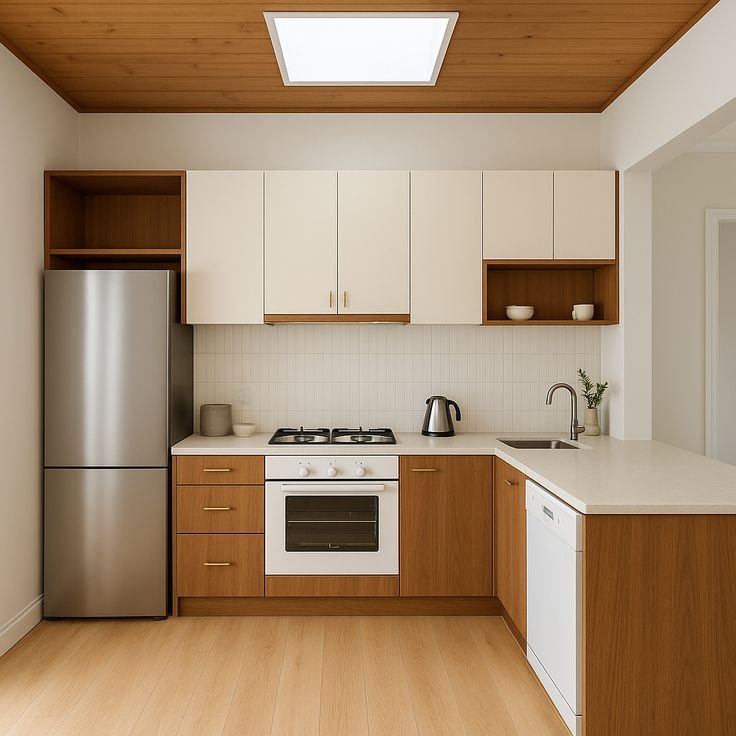
Budget Breakdown at a Glance
Here’s a side-by-side breakdown of all five upgrades and what each one will cost you:
| Upgrade | Estimated Cost | Time Required | Difficulty Level |
|---|---|---|---|
| Accent wall painting | $30–$60 | 4–6 hours | Easy |
| Cabinet hardware swap | $30–$80 | 30–60 minutes | Very Easy |
| Peel-and-stick backsplash | $25–$80 | 2–4 hours | Easy |
| Lighting fixture upgrade | $30–$100 | 1–2 hours | Moderate |
| Bathroom recaulking | $10–$20 | 1.5–3 hours | Easy |
| Total (all five) | $125–$340 | One weekend | Beginner-friendly |
And for less than $350, you can do all five upgrades and truly change how your home looks and feels.
The Right Order to Tackle These Projects
If you’re ready for a weekend upgrade session, here’s the order I’d recommend:
Day 1:
- Begin with recaulking the bathroom (it takes 24 hours to cure)
- While waiting, swap cabinet hardware
- Start your accent wall (first coat) to end the day
Day 2:
- Apply the second coat on your accent wall
- Install peel-and-stick backsplash
- Replace a lighting fixture
This means nothing sits waiting and you can end the weekend with all five done.
FAQs on Budget DIY Home Upgrades
How can I tell if a DIY job is safe to do myself?
Most cosmetic upgrades — painting, swapping out hardware, caulking, peel-and-stick tiles — are completely fine as do-it-yourself projects. Electrical work (such as replacing a fixture) is also safe if you follow one rule: always turn off the power at the breaker first and verify it’s off with a non-contact voltage tester before touching any wires.
Can renters do these upgrades?
Most of them, yes. Most rentals require the landlord to give permission before painting, but you can often negotiate it. Peel-and-stick backsplash and cabinet hardware are renter-friendly since they’re reversible. Caulking is almost always permitted because that’s maintenance, not a modification.
Will these upgrades increase my home’s value?
They contribute to “perceived value” — the sense that a home is well-kept and move-in ready. While they do not add $10,000 to an appraisal, they can help a home sell more quickly and for a better price because buyers respond emotionally.
What tools do I need for all five projects?
You’d want: a paint roller and brushes, painter’s tape, a flathead and Phillips screwdriver, a utility knife, a caulk gun and a level. You probably already have most of these. Total cost if purchasing new: less than $40.
How do I keep these upgrades looking good long-term?
Repaint accent walls every 3–5 years or when scuffs build up. Always wipe down cabinet hardware with a dry cloth to keep tarnish at bay. Check caulk once a year and touch up any cracking. Dust light fixtures monthly. These easy habits prolong the life of each upgrade.
What if I mess up one of these projects?
Every project listed here is fixable. Paint can be repainted. Hardware can be swapped again. Caulk can be removed and reapplied. Tiles can be peeled off. Light fixtures can be replaced. None of these five upgrades risk permanent damage.
Last Thoughts — Stop Waiting, Start Upgrading
The plain and simple truth is that I procrastinated on all five of these projects for years. I promised myself I would do them “when I had more time” or “when I could save up more money.”
But each one cost me less than $100 and an afternoon.
That scuffed wall? One weekend and $40 worth of paint — gone.
That grimy grout line in my bathroom? Six dollars in caulk and two hours — it looked brand new.
These 5 budget DIY home upgrades are simple home improvements that go a long way. They will improve how you feel about the space you live in every single day. And once you complete one, you’ll wonder why on earth you didn’t do it sooner.
Start with whatever project annoys you the most. Order the supplies today. This weekend, pick up a screwdriver or a paintbrush and get started.
Your future self will be so glad you did.