10 proven decor and style hacks for a cozy home
There’s a quiet difference between a house that looks nice and one that feels like a refuge. You can walk into a perfectly styled space—everything aligned, colors coordinated, surfaces spotless—and still feel oddly unsettled. Then there are homes that seem to exhale warmth the moment you step inside. They don’t demand attention; they invite you in. They hold you. That feeling—comfort layered with personality—is what most people mean when they talk about a “cozy home.”
Cozy doesn’t mean cluttered, nor does it mean dim lighting and heavy blankets in every corner. It’s a balance of softness, intention, and subtle sensory details. Over time, I experimented with different ways to make my living space feel more welcoming without turning it into a showroom or a storage unit. What follows are ten decor and style hacks that actually changed how my home feels—not just how it looks.
layering textures instead of buying more furniture
At first, I thought coziness required more things—more chairs, more décor, more “pieces.” But the truth is, adding furniture often made the space feel crowded rather than comforting. What made the real difference was layering textures.
A plain sofa became inviting once I added a chunky knit throw, a linen cushion, and a slightly worn cotton pillow. The contrast mattered more than the quantity. Rough paired with soft. Smooth against woven. Even a simple rug underfoot changed the emotional tone of the room.
Think about the surfaces you interact with daily. The arm of a chair, the edge of a table, the floor beneath your feet. When these surfaces offer variety—not chaos, but variation—they engage your senses in a subtle way. You don’t notice it consciously, but your body relaxes.
Start small. A wool throw on a leather chair. A jute rug under a sleek coffee table. A velvet cushion next to a cotton one. You’re not redecorating—you’re adding depth.
using warm lighting as a design tool
Lighting might be the most underestimated element of a cozy home. Bright white overhead lights are efficient, but they rarely feel inviting. They flatten everything—colors, textures, even mood.
Switching to warm-toned bulbs changed the atmosphere instantly. But it wasn’t just about the color temperature. It was about how the light was distributed.
Instead of relying on one central light source, I introduced multiple smaller ones: a table lamp in the corner, a floor lamp near the reading chair, a soft glow near the bookshelf. Each light created a pocket of warmth.
Evening lighting should feel like a gradual transition, not a switch. As daylight fades, your home should gently follow. Dimmers, if you can install them, are incredibly effective. If not, simply choosing lamps with soft shades can diffuse the light beautifully.
Candles, too, play their part—not as decoration, but as mood-setters. The flicker of a flame does something no bulb can replicate. It slows the room down.
bringing in natural elements without overthinking it
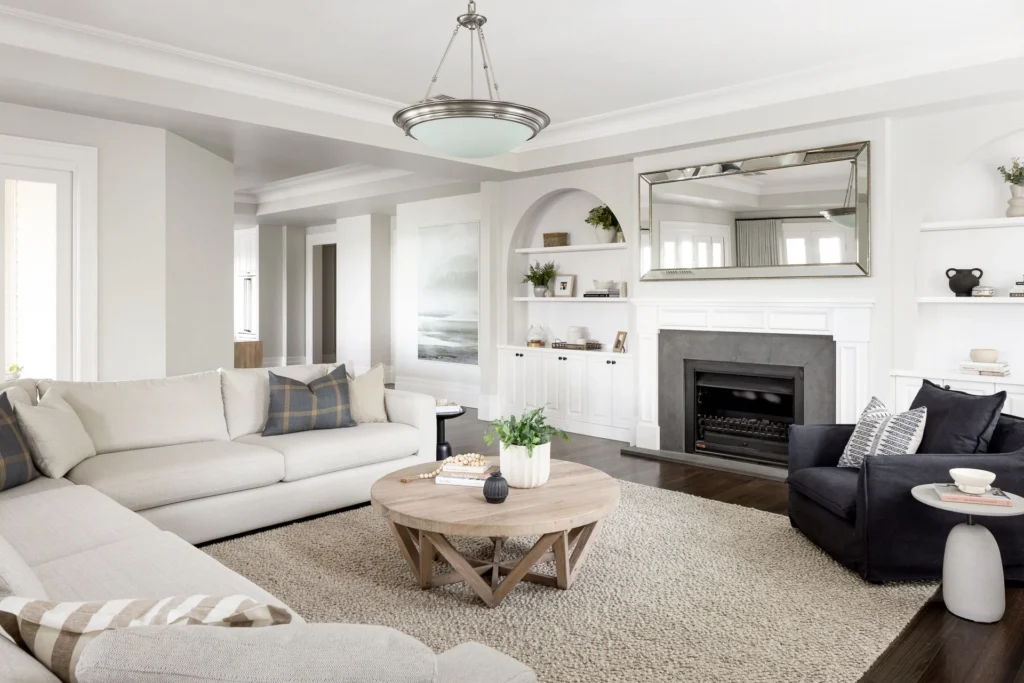
Plants are often recommended for cozy interiors, but there’s a tendency to overdo it or treat them as design obligations. You don’t need a jungle in your living room. A few thoughtfully placed natural elements are enough.
A leafy plant near a window. A small herb on the kitchen counter. A bowl of fresh fruit. Even a branch in a simple vase can soften a space.
Natural materials matter just as much as living plants. Wood, stone, clay—these materials carry an inherent warmth. A wooden tray, a ceramic mug, a stone coaster—these small details accumulate into a larger feeling.
The goal isn’t to create a “nature-themed” room. It’s to quietly remind yourself that your home is part of a living world, not separate from it.
curating instead of decorating
There’s a subtle but important shift between decorating and curating. Decorating often involves filling spaces—adding items to make a room look complete. Curating, on the other hand, is about selecting what truly belongs.
When I started removing items instead of adding them, my home felt calmer. Not empty, just intentional. Each object had a reason to be there.
A stack of books I actually read. A photo that holds meaning. A bowl I use daily, not just display. When objects carry personal significance, they contribute to coziness in a way no store-bought decor can.
Try this: pick a surface—a shelf, a table, a corner—and remove everything from it. Then add back only what feels necessary or meaningful. You’ll notice the difference immediately.
embracing slightly imperfect arrangements
Perfection can feel cold. Symmetry, while pleasing, can also be rigid. A cozy home allows for a bit of looseness.
A slightly crooked stack of books. Cushions that aren’t perfectly aligned. A throw that’s casually draped instead of neatly folded. These small imperfections signal that the space is lived in, not staged.
It’s not about being messy. It’s about allowing your home to reflect real life. When everything is too precise, it can feel untouchable. When things are a little off, they feel approachable.
This idea extends to furniture placement as well. Not every piece needs to hug the wall. Pulling a chair slightly inward, angling a lamp, or offsetting a table can make a room feel more dynamic and human.
creating zones for different moods
Even in a small space, you can create distinct zones. Not with walls, but with intention.
A reading corner with a comfortable chair and a lamp. A small table for tea or coffee. A workspace that’s separate from where you relax. These zones don’t need to be large—they just need to feel defined.
Rugs, lighting, and furniture placement can all help establish these areas. The benefit is psychological. When you sit in a particular spot, your mind associates it with a certain activity or mood.
Over time, this creates a rhythm in your home. You’re not just moving through space—you’re moving through experiences.
incorporating soft sounds and quiet moments
Coziness isn’t only visual. Sound plays a significant role, though it’s often overlooked.
A quiet home isn’t necessarily cozy. In fact, complete silence can feel unsettling. What makes a difference is gentle, consistent sound.
Soft music in the background. The hum of a fan. The distant sound of rain (even if it’s from a recording). These sounds create a sense of presence without demanding attention.
Textiles help here too. Rugs, curtains, and cushions absorb harsh echoes, making a room feel softer acoustically.
Consider what your home sounds like when you’re not actively listening. Adjusting that subtle layer can transform the atmosphere more than you’d expect.
choosing a cohesive but flexible color palette
Color has an immediate emotional impact. For a cozy home, the goal isn’t to stick to one shade, but to maintain a sense of harmony.
Warm neutrals—beige, soft browns, muted greens—tend to feel grounding. But that doesn’t mean you have to avoid color. Deep blues, rust tones, and even soft pinks can add richness.
The key is cohesion. Colors should relate to each other, even if they’re different. This creates a visual flow that feels calm rather than chaotic.
One trick that worked well for me was repeating colors in small ways. A cushion that matches a piece of art. A rug that echoes the tone of a curtain. These subtle connections tie the room together.
At the same time, leave room for change. Swap out smaller items seasonally if you like. This keeps the space feeling fresh without requiring a full redesign.
making comfort visible, not hidden
Sometimes, we hide comfort in the name of tidiness. Extra blankets tucked away, cushions stored neatly, items only brought out when needed. While this keeps things organized, it can also make a space feel less inviting.
Visible comfort changes that. A folded blanket on the arm of a sofa. A basket of throws within reach. Cushions that are easy to grab.
These elements signal that relaxation is not just allowed—it’s encouraged.
The same idea applies to everyday items. A mug left on the table, a book open on a chair—these details suggest life, not just appearance.
Of course, there’s a balance. The goal isn’t clutter, but accessibility. Comfort should feel natural, not staged.
adding personal rituals into the space
A cozy home isn’t just about how it looks—it’s about how you use it. Small rituals can anchor a space emotionally.
Morning tea by the window. Evening reading in a specific chair. Lighting a candle at the same time each day. These habits create associations.
Over time, certain corners of your home begin to carry meaning. They’re not just physical spaces—they’re experiences.
You can support these rituals through decor. A tray that holds your tea essentials. A lamp that’s only used in the evening. A blanket reserved for reading time.
These details don’t stand out visually, but they deepen your connection to the space.
letting your home evolve naturally
One of the biggest mistakes I made early on was trying to “finish” my home. I treated it like a project with an end point. But a cozy home isn’t static—it evolves.
Items come and go. Arrangements shift. Your preferences change. Allowing this process to happen naturally makes the space feel alive.
Instead of chasing trends or aiming for perfection, focus on what feels right in the moment. If something no longer resonates, replace it. If a new idea excites you, try it.
Your home should reflect your current self, not a fixed version of who you were.
closing thoughts
Creating a cozy home isn’t about following a strict set of rules. It’s about paying attention—to how things feel, not just how they look. The most effective changes are often the simplest ones: adjusting lighting, adding texture, removing excess, and making space for daily life.
If there’s one underlying principle, it’s this: comfort comes from intention. When each element in your home serves a purpose—whether functional, emotional, or sensory—the space begins to feel cohesive.
You don’t need a large budget or a complete makeover. You just need to notice what makes you feel at ease, and build from there.
frequently asked questions
what is the easiest way to make a home feel cozy quickly?
Start with lighting and textiles. Switch to warm-toned bulbs and add soft layers like throws and cushions. These two changes alone can transform the atmosphere without requiring major effort or expense.
can a small space feel cozy without looking cluttered?
Yes, absolutely. Focus on multi-functional items and keep the layout intentional. Use a few well-chosen textures and colors rather than many objects. Curating your space is more effective than filling it.
how important are colors in creating a cozy environment?
Colors play a significant role. Warm and muted tones tend to feel more inviting, but the key is consistency. A cohesive palette creates a calm visual experience, which contributes to overall comfort.
do i need to follow current decor trends to achieve a cozy look?
No. Trends can offer inspiration, but coziness is personal. A space feels warm when it reflects your preferences and habits, not when it matches a popular style.
how can i make my home cozy on a budget?
Work with what you already have. Rearrange furniture, layer existing textiles, and remove unnecessary items. Small additions like affordable cushions or second-hand decor can also make a big difference.
is minimalism incompatible with a cozy home?
Not at all. Minimalism can feel very cozy if it includes warmth and texture. A few meaningful items, soft lighting, and comfortable materials can create a welcoming space without excess.