11 easy decor and style ideas I tried in my living room
I didn’t set out to redesign my living room all at once. It started with a small irritation—the couch felt dull, the walls looked like they were waiting for something, and the whole space had that “almost there” feeling. You know the kind: not bad, not great, just unfinished. So I began experimenting, one idea at a time, without a master plan. Some worked instantly, some took tweaking, and a few surprised me in ways I didn’t expect.
This isn’t a list pulled from a catalog or a design textbook. These are real changes I made, lived with, adjusted, and sometimes even reversed before getting them right. If you’re staring at your living room wondering what to do next, these ideas might give you a place to start—or at least the confidence to try something new.
- rearranging the furniture without buying anything new
Before spending a single rupee, I moved things around. It sounds obvious, almost too simple, but it completely changed how the room felt. My sofa had been pushed against the wall for years because that’s what I thought you were supposed to do. Pulling it slightly forward—even just a foot—created a sense of depth. Suddenly, the room didn’t feel like a waiting area.
I also rotated my armchair toward the window instead of facing the TV directly. It made the space feel more conversational rather than screen-focused. The trick here wasn’t perfection—it was trying different layouts until one felt right. It took an afternoon and a bit of effort, but the impact was immediate.
- layering lighting instead of relying on one source
For the longest time, I relied on a single ceiling light. It was bright, efficient, and completely uninviting. So I started adding layers: a floor lamp in one corner, a small table lamp near the couch, and even a warm bulb in an old decorative piece I had lying around.
The difference was dramatic. Instead of a harsh, flat brightness, the room gained depth and warmth. In the evenings, I rarely turn on the main light anymore. It’s the softer, scattered glow that makes the room feel lived-in.
- introducing a rug that actually fits the space
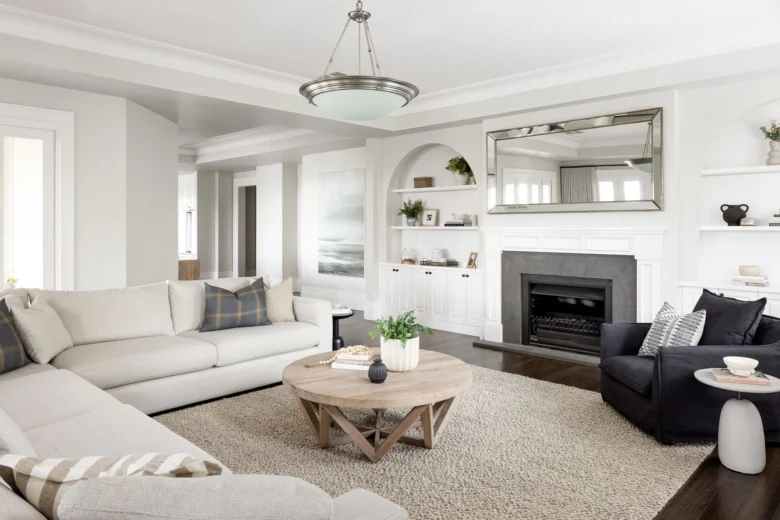
I used to think any rug would do as long as it covered some floor. I was wrong. My previous rug was too small, floating awkwardly in the center. When I replaced it with a larger one that extended under the front legs of the furniture, everything suddenly felt connected.
The room stopped looking like separate pieces placed randomly and started feeling like a cohesive area. It’s one of those subtle changes that doesn’t scream for attention but quietly improves everything.
- mixing textures instead of matching everything
At one point, I tried to make everything match—the cushions, the curtains, even the throw blanket. It looked neat, but also a bit lifeless. So I started mixing textures: a chunky knit throw, smooth cotton cushions, a slightly rough woven basket, and a soft rug.
This layering added interest without needing bold colors or patterns. Even when the color palette stayed neutral, the room felt richer. It’s like the difference between a plain outfit and one with a few well-chosen accessories.
- adding plants (and figuring out how not to kill them)
I was hesitant about plants because I’m not exactly known for keeping them alive. But I started small—with one low-maintenance plant on a side table. Then another near the window. Then a slightly larger one in a corner that felt empty.
The greenery brought a kind of energy into the room that decor alone couldn’t. It softened the edges and made the space feel more relaxed. I did lose a couple of plants along the way, but it was part of the process. Eventually, I figured out what works for me: less frequent watering and choosing hardy varieties.
- creating a wall that tells a story
My walls used to be either empty or randomly decorated. There was no intention behind them. So I decided to create a gallery wall—not a perfect, symmetrical one, but something that felt personal.
I mixed framed photos, a piece of art I liked, and even a small quote that meant something to me. I didn’t measure everything precisely; I arranged them on the floor first, played around with the layout, and then put them up.
Now, when I look at that wall, it doesn’t feel like decoration. It feels like a collection of moments and tastes that belong to me.
- using mirrors to open up the space
My living room isn’t huge, so I wanted it to feel a bit more open. Adding a mirror opposite the window turned out to be a simple fix. It reflected natural light and made the room appear brighter and slightly larger.
I didn’t go for anything overly ornate—just a clean, simple frame that blended with the rest of the decor. It’s one of those changes that works quietly in the background.
- updating cushions instead of the sofa
Replacing a sofa is expensive and, honestly, unnecessary most of the time. Instead, I swapped out my old cushions for new covers with different patterns and textures.
I experimented a bit—some bold prints, some subtle tones—until I found a combination that felt balanced. The sofa looked refreshed without actually being new. It’s probably one of the easiest ways to change the look of a living room without committing to something permanent.
- decluttering surfaces (but not too much)
At one stage, I went all in on decluttering. I removed almost everything from the coffee table and shelves. While it looked clean, it also felt a bit cold.
So I brought back a few carefully chosen items: a book I’m currently reading, a small decorative object, and a candle. The key was restraint—not filling every surface, but also not stripping them completely bare.
The result felt intentional rather than empty.
- playing with curtains and fabric
I underestimated how much curtains could change a room. My old ones were heavy and dark, blocking light even during the day. Switching to lighter fabric instantly made the room feel more open.
I also hung them slightly higher than the window frame, which made the ceiling appear taller. It’s a small trick, but it works.
- adding something unexpected
The last change was the most fun. I added something that didn’t necessarily “match” the rest of the room—a vintage-style trunk I found by chance. It now doubles as a coffee table.
It’s not perfect, and that’s exactly why I like it. It adds character and breaks the predictability of the space. Sometimes, one slightly unusual piece can make a room feel more alive than a dozen perfectly coordinated ones.
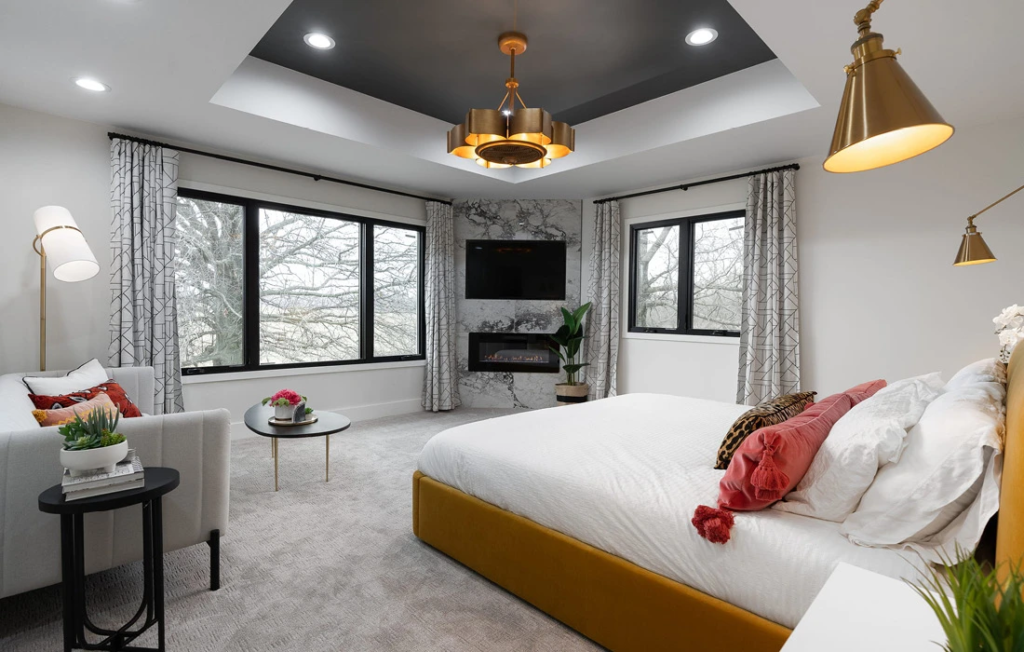
what I learned from all this
None of these ideas required a complete overhaul. Most didn’t even require much money. What they did require was attention—looking at the room, noticing what felt off, and being willing to experiment.
I also realized that a living room doesn’t have to be “finished.” It can evolve over time. In fact, it probably should. The small changes I made over weeks and months ended up having a bigger impact than any single dramatic redesign could have.
There’s also something satisfying about living with your choices, adjusting them, and slowly shaping a space that feels right. It’s not about copying a look from somewhere else. It’s about figuring out what works for you.
frequently asked questions
- how do I start decorating my living room if I feel overwhelmed?
Start small. Rearrange your furniture or change one element like cushions or lighting. You don’t need to do everything at once. One change often leads naturally to the next. - do I need a big budget to improve my living room?
Not at all. Many impactful changes—like rearranging furniture, decluttering, or adjusting lighting—cost little to nothing. Focus on creativity before spending. - how can I make a small living room look bigger?
Use mirrors to reflect light, choose lighter colors, and avoid overcrowding the space. Properly sized rugs and furniture placement also make a big difference. - how many decor items are too many?
There’s no fixed number, but if surfaces start feeling cluttered or distracting, it’s probably too much. Aim for balance—enough to show personality, but not so much that it feels chaotic. - what’s the easiest way to refresh a living room quickly?
Update cushions, add a throw, and adjust lighting. These small changes can instantly alter the mood of the room without much effort. - should everything in my living room match?
No. In fact, too much matching can make a space feel flat. Mixing textures, colors, and styles—within reason—adds depth and character.
In the end, decorating a living room isn’t about following strict rules. It’s about noticing what feels right, making small changes, and allowing the space to grow with you.