6 Smart Kitchen and Bath Ideas That Boost Value
A well-designed kitchen or bathroom can do more than make daily routines easier. These two spaces shape how a home feels, how it functions, and how much buyers are willing to pay when it’s time to sell. Homeowners often hear that kitchens and baths “sell houses,” but the phrase holds up because it’s rooted in how people actually experience a home. These are the rooms where convenience, comfort, and practicality are tested every single day.
The good news is that adding value does not always mean gutting walls or spending on luxury finishes that never return their cost. The smartest upgrades are usually the ones that make a home easier to live in, easier to maintain, and more appealing to the widest range of people. In kitchens and bathrooms especially, thoughtful decisions tend to outperform flashy ones.
Buyers notice when a kitchen works well. They notice when storage makes sense, when lighting feels natural, when cleaning looks manageable, and when materials feel durable. The same is true in bathrooms. A bathroom that feels bright, efficient, and calm can leave a stronger impression than one filled with expensive but impractical features.
That is where smart design comes in. Not “smart” in the sense of gadgets alone, though some technology certainly helps. Smart design means choosing upgrades that solve real problems, improve daily use, and hold their appeal over time. It means understanding what adds lasting value rather than short-lived novelty.
If you are planning to renovate, refresh, or prepare your home for resale, the best place to start is with improvements that offer both lifestyle benefits now and market value later. The following kitchen and bath ideas do exactly that. They are practical, current, and grounded in what homeowners and buyers consistently respond to.
1. Upgrade to layered lighting that works harder
Lighting is one of the most overlooked features in kitchens and bathrooms, yet it has an outsized effect on how these spaces look and function. A poorly lit kitchen can feel cramped and inconvenient even when it has generous square footage. A dim bathroom can feel dated, closed-in, and less clean than it actually is. Lighting changes that instantly.
The smartest approach is layered lighting. Instead of relying on one overhead fixture to do everything, layered lighting breaks illumination into functional zones. This creates better visibility, stronger atmosphere, and a more polished overall look.
In the kitchen, layered lighting usually starts with ambient light. This is the general lighting that fills the room, often from recessed fixtures or a central ceiling source. Ambient lighting should be bright enough to make the room feel open, but not harsh enough to flatten it.
Then comes task lighting. This is where kitchens become easier to use and more valuable to buyers. Under-cabinet lighting is one of the most effective examples. It illuminates prep surfaces, reduces shadows, and gives countertops a clean, high-end look. It is practical, attractive, and relatively affordable.
Pendant lights over an island or peninsula also serve a double purpose. They provide targeted light while helping define the visual center of the room. A well-scaled pendant fixture adds character without requiring a major remodel.
Accent lighting completes the layer. Interior cabinet lighting, toe-kick lighting, or soft shelf illumination can make the kitchen feel custom rather than standard. These details are subtle, but they influence how expensive a space feels.
Bathrooms benefit from the same logic. Overhead lighting matters, but vanity lighting is where performance really improves. Side-mounted sconces or balanced front lighting around a mirror reduce shadows on the face, which is more flattering and more useful than a single fixture above the mirror.
Dimmers in both kitchens and bathrooms are another low-cost, high-value move. They allow a room to shift from bright and functional to warm and relaxed with little effort. That flexibility feels modern and thoughtful.
Natural light matters too. If privacy allows, larger windows, frosted glass, or solar tubes can dramatically improve a bathroom. In kitchens, maximizing daylight makes the room feel cleaner and more open. Homes that feel bright consistently feel more desirable.
Good lighting is not just decorative. It improves function, mood, safety, and visual appeal all at once. That is exactly the kind of upgrade that adds value in ways buyers can feel immediately.
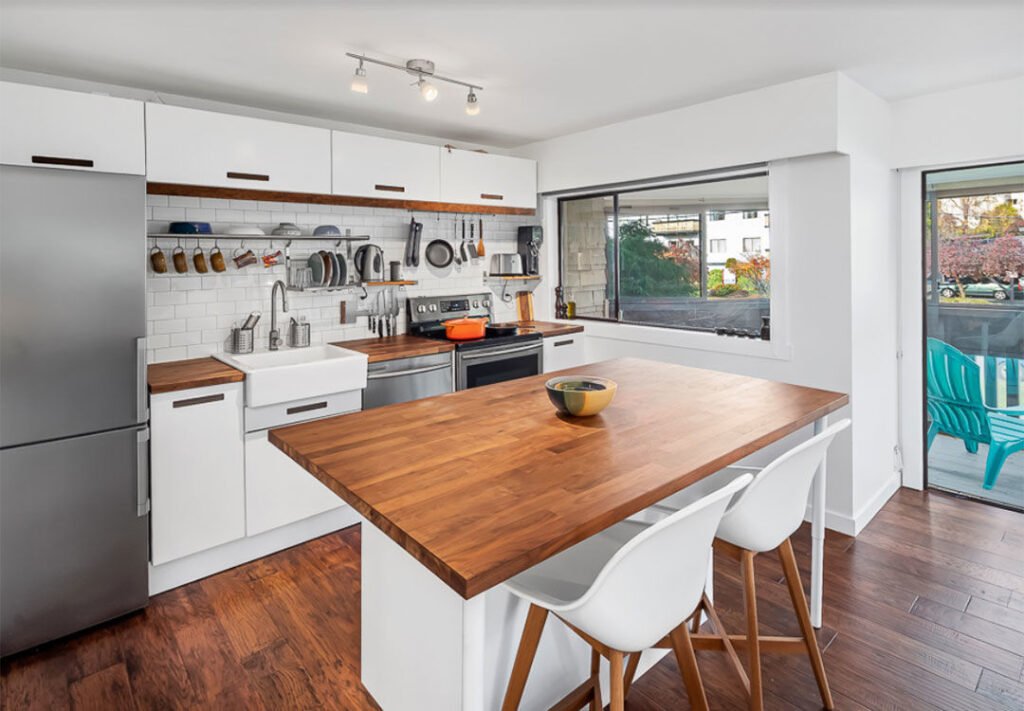
2. Add storage that solves everyday frustration
Storage is one of the first things people judge in a kitchen or bathroom, even if they do it subconsciously. People open cabinet doors. They imagine where dishes would go, where cleaning supplies would fit, where extra towels would live. A room can look beautiful in photos and still feel disappointing in person if storage is poorly planned.
Smart storage is one of the strongest value drivers because it improves how a room actually works. It also makes a space feel larger, calmer, and more expensive without changing the footprint.
In kitchens, storage upgrades should focus on usability rather than sheer volume. Deep lower cabinets are common, but they often become dark boxes where cookware disappears. Replacing standard shelves with pull-out drawers makes storage dramatically more useful. People love being able to see and reach what they own.
Pull-out trash and recycling cabinets are another strong upgrade. They keep waste out of sight, improve flow, and make the kitchen feel more organized. This is a small detail that buyers consistently appreciate.
Vertical dividers for trays, cutting boards, and baking sheets make cabinets more efficient. Drawer organizers for utensils and spices reduce clutter and create a custom feel. Pantry pull-outs, especially narrow ones, make use of awkward spaces that often go wasted.
If the kitchen allows, a pantry cabinet can add serious value. It does not need to be oversized. Even a slim floor-to-ceiling pantry can transform how functional a kitchen feels.
Bathrooms often struggle with storage even more than kitchens, especially in older homes. The smartest bathroom upgrades solve this without crowding the room.
Vanities with drawers tend to outperform those with large empty cabinets underneath. Drawers make toiletries easier to access and keep daily items organized. Floating vanities can also improve visual openness while preserving storage.
Medicine cabinets have evolved well beyond the builder-grade versions many homeowners remember. Recessed mirrored cabinets provide hidden storage without taking up extra space, and newer designs look clean and contemporary.
Built-in shower niches are another highly practical upgrade. They remove the need for hanging caddies or corner racks and make the shower feel cleaner and more intentional. Buyers notice details like this because they signal convenience.
Linen storage also matters. A recessed shelf, tall cabinet, or compact tower can make even a modest bathroom feel better planned.
Storage adds value because it reduces friction. It makes daily routines easier, spaces tidier, and rooms more efficient. Those benefits are immediate for homeowners and easy for buyers to recognize.
3. Choose durable surfaces that look expensive and last
Materials carry enormous weight in kitchens and bathrooms because these rooms face more wear than almost any other part of the home. Heat, moisture, spills, cleaning products, and constant use put surfaces under pressure every day. Buyers know this, even if they are not consciously evaluating material performance. They can sense when something feels durable and when something looks like it will age badly.
That is why durable surfaces are one of the smartest ways to add value. The right material choices improve appearance, reduce maintenance, and reassure buyers that the home has been upgraded with long-term use in mind.
In kitchens, countertops are often the most visible surface and one of the first things people evaluate. Quartz remains one of the strongest choices for value because it combines durability, low maintenance, and broad visual appeal. It resists staining, does not require sealing, and offers a clean, upscale look that works across design styles.
Natural stone still has appeal, but it can require more maintenance and may not suit every buyer. Quartz often wins because it feels practical as well as polished.
Countertop edges matter more than many homeowners realize. Simple profiles tend to age better and appeal to more buyers than ornate detailing. Clean edges look modern, easier to maintain, and more current.
Backsplashes are another opportunity to improve both style and durability. A full-height backsplash, especially behind a range, creates a more finished look and offers easier cleaning. Large-format tile or slab backsplashes also reduce grout lines, which means less upkeep and a cleaner visual effect.
Cabinet finishes should prioritize longevity. Painted cabinets remain popular, but quality matters. Durable finishes with smooth, well-built doors tend to hold up better than trend-driven styles that chip easily or date quickly.
In bathrooms, durability matters even more because of moisture exposure. Porcelain tile is one of the best all-around choices for floors and shower walls because it is water-resistant, durable, and available in a wide range of finishes. It can mimic natural stone while requiring far less maintenance.
Large-format tile in bathrooms continues to perform well because it creates a more seamless, upscale appearance and minimizes grout maintenance. Fewer grout lines mean easier cleaning and a cleaner overall look.
Quartz also performs exceptionally well in bathrooms for the same reasons it does in kitchens. It resists moisture, handles frequent cleaning, and keeps its appearance over time.
Matte finishes are increasingly popular in both rooms because they help hide fingerprints, water spots, and minor wear. This makes them especially practical in high-use households.
Durable materials add value because they reduce future headaches. Buyers are not only reacting to appearance. They are assessing upkeep, longevity, and whether a room feels worth the price. Materials that balance beauty with resilience perform best over time.
4. Invest in water-smart and energy-smart fixtures
Efficiency used to be viewed as a compromise. That has changed. Today, buyers increasingly expect kitchens and bathrooms to be efficient without sacrificing comfort or performance. Fixtures that reduce water and energy use are no longer niche upgrades. They are mainstream value-adds.
The key is choosing efficiency that feels seamless. No one wants a kitchen faucet with weak pressure or a shower that feels underpowered. Smart fixtures work because they conserve resources while improving daily use.
In the kitchen, a high-quality faucet is one of the most used features in the entire home. Pull-down faucets remain a strong choice because they improve reach, simplify cleanup, and feel modern without being overly trendy. Touchless or touch-activated models can add appeal, especially for households focused on hygiene and convenience.
Buyers often respond well to these features because they feel current and useful rather than gimmicky.
Water-efficient dishwashers are another practical upgrade with real value. Quiet performance matters almost as much as efficiency here. A dishwasher that runs quietly and uses less water adds comfort and helps a kitchen feel upgraded in a meaningful way.
In bathrooms, low-flow fixtures have improved dramatically. Toilets, faucets, and showerheads now offer strong performance with lower water use, which appeals to both environmentally conscious buyers and budget-conscious ones.
A good showerhead is especially important. Rain-style and handheld combinations are popular because they improve comfort and flexibility while still offering efficient performance.
Dual-flush toilets continue to hold appeal because they offer practical water savings in a familiar format. They also signal that the bathroom has been updated with modern priorities in mind.
Tankless water heaters can add value as well, especially in homes where energy efficiency is a selling point. They save space, improve efficiency, and provide an upgraded feel, though return depends on market and installation cost.
Ventilation is another often-overlooked efficiency feature in bathrooms. A quiet, effective exhaust fan protects finishes, reduces moisture damage, and improves comfort. Buyers may not mention it directly, but poor ventilation often shows up as mildew, peeling paint, or musty air. Good ventilation protects the room and supports long-term value.
Efficiency upgrades work best when they are invisible in the best way. They make a home cheaper to run, easier to maintain, and more comfortable to live in. That combination carries real value in today’s market.
5. Improve layout flow before adding luxury
One of the most common renovation mistakes is spending heavily on finishes while ignoring how the room actually works. A kitchen can have beautiful stone, custom cabinets, and expensive hardware and still feel frustrating if the layout is awkward. The same goes for bathrooms. Poor flow undermines even the nicest materials.
Layout is one of the most important value drivers because it affects how a room functions every day. It also shapes first impressions immediately. People notice when a space feels easy to move through.
In kitchens, flow often matters more than square footage. A smaller kitchen with efficient movement can feel better than a larger one with poor planning.
The classic kitchen work triangle still matters, even in modern layouts. The relationship between sink, refrigerator, and cooking zone should feel intuitive. Too much distance creates inefficiency. Too little creates congestion.
One of the best value upgrades is improving circulation. This may mean widening walkways, removing obstacles, or rethinking island size. Oversized islands can become bottlenecks if they crowd movement.
Islands add value when they improve function, not just because they are fashionable. A well-sized island can provide prep space, seating, storage, and visual structure. A poorly placed one can make the room harder to use.
Appliance placement matters too. A dishwasher should not block movement when open. Refrigerators need landing space. Ovens should not interfere with traffic flow.
These practical choices influence whether a kitchen feels intuitive or frustrating.
Bathrooms benefit just as much from layout improvements. A better layout can make even a small bathroom feel more comfortable and more expensive.
Replacing a bulky vanity with a better-scaled one can improve circulation immediately. Repositioning fixtures to create cleaner movement can make a room feel larger without changing square footage.
Walk-in showers often add more practical value than oversized tubs, especially in primary bathrooms. They improve accessibility, visual openness, and daily usability. Frameless glass also helps bathrooms feel larger and brighter.
That said, eliminating every tub is not always wise. In many markets, retaining at least one bathtub in the home still matters for resale, especially for families.
In small bathrooms, pocket doors or better door swings can recover valuable usable space. These are not glamorous upgrades, but they can dramatically improve function.
Good layout is the foundation that makes every other upgrade work better. Before adding luxury, make sure the room moves well. Buyers may not describe it in technical terms, but they absolutely feel the difference.
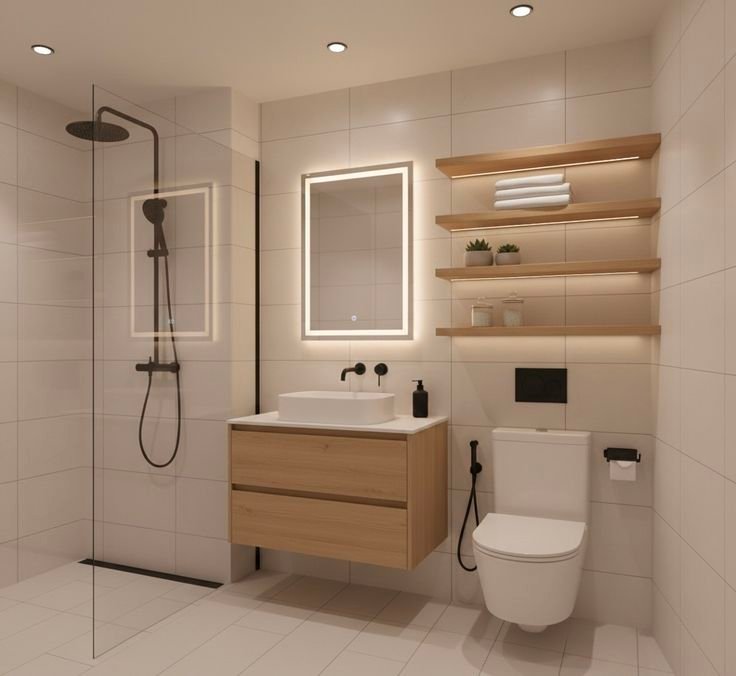
6. Add comfort-driven upgrades that feel quietly luxurious
Luxury in kitchens and bathrooms has shifted. It is less about extravagance and more about ease. The most valuable upgrades today often feel subtle rather than flashy. They improve comfort in ways people immediately notice and quickly grow attached to.
This kind of comfort-driven design adds value because it enhances daily life while helping a home feel more refined.
In kitchens, comfort often comes from convenience. Soft-close drawers and cabinets are a perfect example. They reduce noise, prevent wear, and make cabinetry feel better built. It is a small upgrade that creates a lasting impression.
Integrated charging drawers or discreet outlet placement can also improve usability without visual clutter. These details support how people actually live now.
Seating comfort matters too. If a kitchen includes island seating, legroom, spacing, and counter height all affect whether the area feels inviting or awkward. Buyers respond strongly to kitchens that feel social as well as functional.
In bathrooms, comfort upgrades tend to create the strongest emotional response. Heated floors are one of the best examples. They are practical, energy-efficient in the right applications, and instantly elevate the experience of the room.
Heated towel bars add a similar sense of quiet luxury. They are not essential, but they create a memorable impression.
Comfort also comes from sound control. Soft-close toilet seats, quieter exhaust fans, and solid-core doors make bathrooms feel more peaceful and private.
In showers, comfort can come from better controls as much as better finishes. Thermostatic shower valves, for example, maintain steady water temperature and create a noticeably more premium experience.
Mirrors with integrated lighting, anti-fog features, or subtle storage can also improve comfort in practical ways.
These upgrades work because they do not scream for attention. They simply make the room feel easier, calmer, and better considered. That kind of comfort has real market appeal because buyers imagine themselves enjoying it immediately.
Final thoughts
The best kitchen and bath upgrades are not always the most expensive ones. They are the ones that improve how a home works, how it feels, and how easily someone can picture living there.
That is what adds value in a meaningful way.
A brighter kitchen, smarter storage, more durable surfaces, efficient fixtures, better flow, and subtle comfort upgrades all do something important: they make everyday life easier. They reduce friction. They improve maintenance. They create a stronger sense of order and ease.
Those qualities matter to homeowners now and buyers later.
Trends will continue to shift. Colors will change. Finishes will cycle in and out. But practical design decisions that improve comfort, usability, and longevity tend to hold their value far longer than trend-driven choices.
If you are investing in your home, start there. The smartest kitchen and bath upgrades are the ones that look good, work hard, and still make sense years from now.
FAQs
Which kitchen upgrade adds the most resale value?
Kitchen upgrades that improve function usually add the strongest resale value. Buyers respond most consistently to updated countertops, better lighting, quality cabinetry, and improved storage. A full remodel can help, but targeted upgrades that make the kitchen more practical often deliver a better return.
Are bathroom renovations worth it before selling a home?
Yes, especially when the bathroom feels outdated, poorly lit, or hard to maintain. Even modest improvements such as replacing fixtures, updating lighting, improving storage, and refreshing surfaces can make a bathroom feel cleaner and more appealing to buyers.
Is quartz better than granite for resale?
Quartz often performs better for resale because it is durable, low-maintenance, and widely appealing. Granite still has value, but quartz tends to attract buyers who want the look of stone without the added upkeep.
Do smart fixtures really increase home value?
Yes, when they improve daily convenience or efficiency. Touchless faucets, efficient showerheads, quiet dishwashers, and modern ventilation all add practical value because buyers see them as useful upgrades rather than novelty features.
Should I remove the bathtub and install a walk-in shower?
It depends on the home and market. Walk-in showers are highly desirable, especially in primary bathrooms, but removing every tub can hurt resale. In most cases, keeping at least one bathtub somewhere in the home is the safer choice.
What matters more in resale: style or function?
Function usually matters more. Style helps create a strong first impression, but buyers place greater long-term value on layouts that work well, storage that makes sense, durable materials, and features that make everyday life easier.