7 Budget Outdoor and Curb Ideas That Look Stunning
There’s something quietly satisfying about pulling up to a home that looks cared for. Not extravagant. Not overly styled. Just… intentional. The kind of place where the walkway feels welcoming, the greenery feels alive, and even the smallest details seem to whisper, “someone thought about this.”
The truth is, great curb appeal isn’t reserved for big budgets or professional designers. It’s often built from small, thoughtful choices layered over time. A coat of paint here, a few plants there, a clever reuse of something you almost threw away. What makes it feel expensive is not the price tag—it’s the coherence.
This isn’t a list of unrealistic transformations or expensive overhauls. These are ideas that can be done slowly, affordably, and in a way that actually sticks. Some of them take an afternoon. Some take a weekend. All of them, when done with care, can completely change how your home feels from the outside.
Let’s walk through them.
—
- Paint that changes everything
If there’s one upgrade that consistently delivers a dramatic transformation for minimal cost, it’s paint. But not just any paint job—targeted painting.
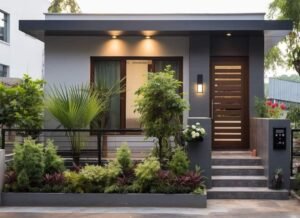
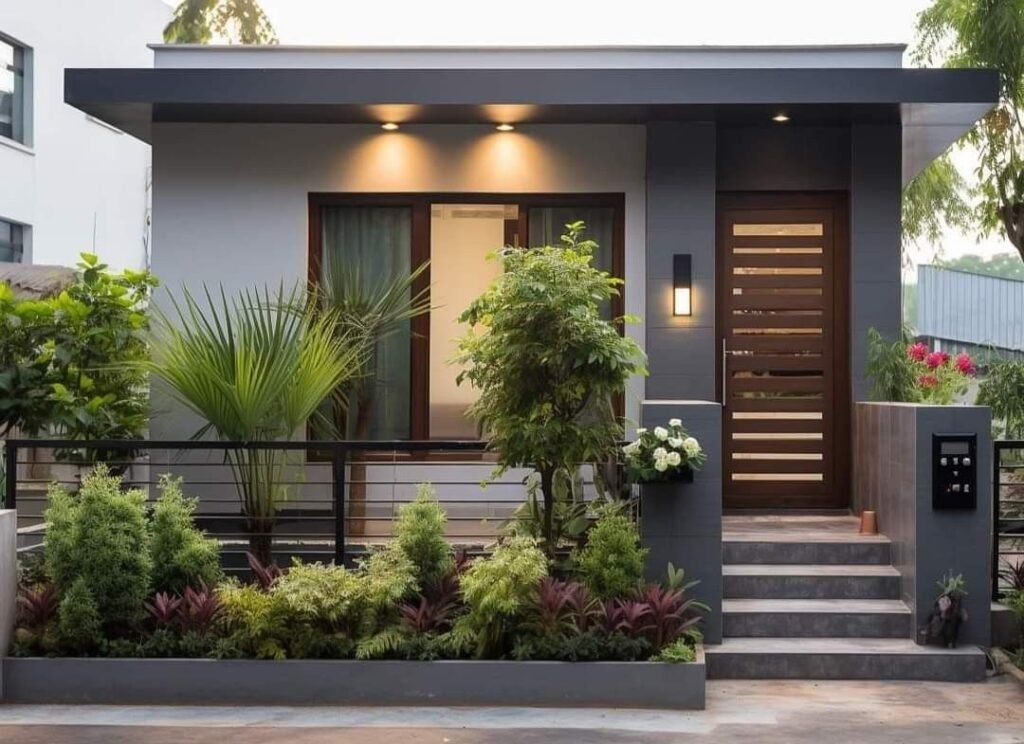
Start with the front door. It’s the focal point whether you realize it or not. A bold color—deep navy, forest green, even a warm terracotta—can instantly give character to a plain exterior. If bold isn’t your style, even a clean, fresh neutral can make a tired entry feel brand new.
But don’t stop there. Look at the trim, the railings, the mailbox, the gate. Often, these small elements fade into the background simply because they haven’t been refreshed in years. A uniform color scheme across these details creates a sense of cohesion that feels surprisingly high-end.
A tip that’s often overlooked: test the paint at different times of day. Morning light and evening light can shift colors dramatically. What looks subtle at noon might feel overpowering at sunset.
Paint isn’t just about color—it’s about contrast. A darker door against a light wall, or vice versa, adds depth. That depth is what tricks the eye into thinking the space is more thoughtfully designed than it actually is.
—
- Layered greenery without the cost
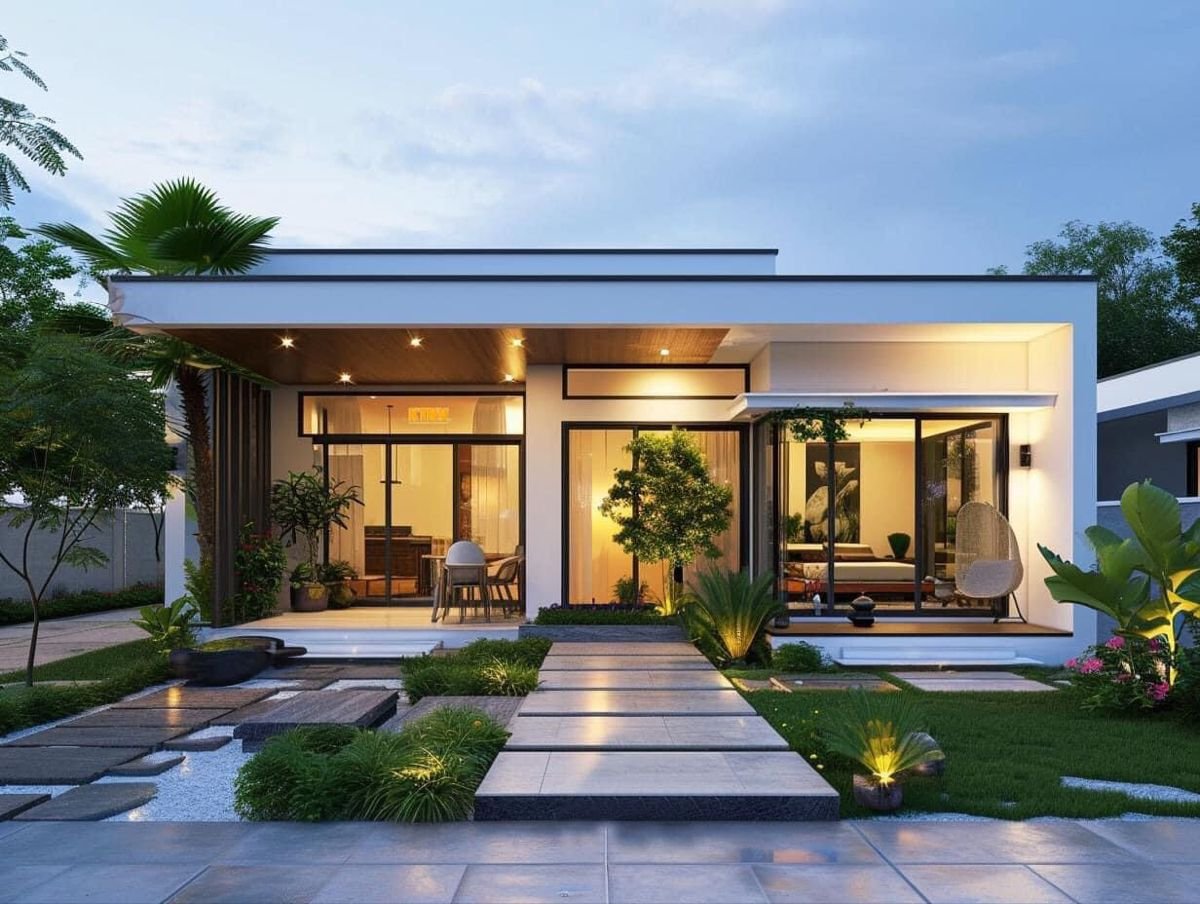
Plants can get expensive fast—especially if you buy large, mature ones. But curb appeal doesn’t require size; it requires layering.
Think in three levels: low, medium, and tall.
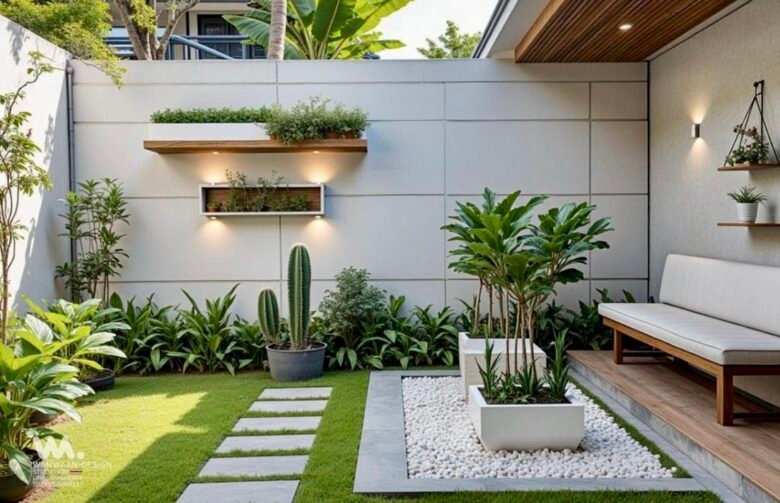
Low can be simple ground cover or small potted plants. Medium might be shrubs or stacked planters. Tall could be a single statement plant or even a vertical element like a trellis with a climbing vine.
Instead of buying everything at once, start small. Buy younger plants and give them time. Mix in cuttings from friends or neighbors. Repurpose containers—old buckets, wooden crates, even chipped ceramic bowls.
There’s also a trick to making plants look more expensive than they are: repetition. Using the same plant in multiple spots creates a rhythm. It makes the space feel intentional rather than random.
Another overlooked detail is soil. Fresh, dark soil makes plants look healthier instantly. It sounds minor, but visually, it’s the difference between “neglected” and “maintained.”
And if you struggle with keeping plants alive, don’t force it. Choose hardy, low-maintenance varieties that suit your climate. A thriving simple plant always looks better than a struggling exotic one.
—
- Lighting that quietly elevates everything
Outdoor lighting is often treated as purely functional. But when done right, it becomes one of the most powerful design tools you have.
You don’t need an electrician or expensive installations. Solar lights have improved dramatically and can be placed almost anywhere.
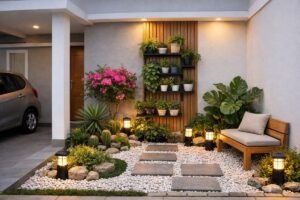
Line a pathway with small lights—not too many, just enough to guide the eye. Add a warm light near the door. Highlight a plant or a feature wall. The goal isn’t brightness; it’s atmosphere.
Warm light is key. Cool, bluish light can feel harsh and clinical. Warm tones create a soft, inviting glow that makes the entire space feel more expensive.
There’s also something psychological about lighting. A well-lit entry feels safer, more welcoming, more lived-in. It subtly changes how people perceive your home before they even step inside.
And during the day? Many of these fixtures still act as decorative elements, adding structure and interest.
—
- A pathway that invites rather than directs
Most walkways are purely functional—they get you from point A to point B. But they can do so much more.
You don’t have to tear out concrete to create something beautiful. Even small changes can shift the entire feel.
Add edging. Simple bricks, stones, or even painted borders can define a path and make it feel intentional. Fill cracks with gravel or moss. Introduce stepping stones alongside an existing path to soften its look.
Curves, if possible, add a sense of movement and interest. But even a straight path can feel inviting with the right framing—plants, lights, or small decorative elements along the sides.
One creative approach is mixing materials. A concrete path with stone accents or gravel borders can feel custom without the cost.
The key is to make the journey to the door feel considered. When someone walks up and subconsciously notices the care in the pathway, it sets the tone for everything else.
—
- Furniture that suggests a story
You don’t need a full patio setup to create charm. Even a single chair can change the narrative of your outdoor space.
A small bench by the entrance. A chair with a cushion on a porch. A tiny table with a plant or a book placed on it. These details suggest that the space is meant to be used, not just looked at.
And here’s the interesting part: slightly imperfect furniture often works better. A weathered wooden bench, a repainted metal chair—these pieces carry character.
If buying new isn’t an option, consider repainting or reupholstering what you already have. A fresh coat of paint on an old chair can make it feel intentional rather than outdated.
Textiles also play a role. Outdoor cushions or throws add color and softness. They make the space feel more like an extension of the home rather than a separate, neglected area.
The goal isn’t to create a showroom. It’s to create a moment—a small scene that feels lived-in and welcoming.
—
- Small details that quietly signal care
This is where the magic often happens. The tiny things most people overlook are the ones that collectively create a polished look.
House numbers, for example. Updating them to something modern or simply cleaning and repainting them can make a surprising difference.
The mailbox. The door handle. The doorbell. These are things people interact with directly. When they’re clean, functional, and visually consistent, they elevate the entire experience.
Even something as simple as a clean doormat can change the first impression. Choose one that complements your color scheme rather than clashes with it.
Another subtle upgrade is symmetry. Matching planters on either side of the door, balanced lighting, evenly spaced elements—these create a sense of order that feels inherently pleasing.
Cleanliness ties it all together. Power washing a driveway, sweeping the entry, wiping down surfaces—these aren’t glamorous tasks, but they amplify every other improvement you make.
—
- Creative reuse that feels intentional
Budget-friendly doesn’t have to mean basic. In fact, some of the most striking curb appeal ideas come from creative reuse.
An old ladder turned into a plant stand. Wooden pallets transformed into vertical gardens. Mason jars used as lanterns. Even broken pots can be arranged into layered plant displays.
The difference between “DIY” and “designed” often comes down to execution. Keep a consistent color palette. Avoid overcrowding. Give each element space to breathe.
There’s also a story element here. When someone notices a unique piece, it sparks curiosity. It adds personality in a way that store-bought decor sometimes can’t.
And because these pieces are often inexpensive or free, you have room to experiment. Try something. If it doesn’t work, adjust it. The process itself becomes part of the charm.
—
Bringing it all together
None of these ideas exist in isolation. The real transformation happens when they start to work together.
A freshly painted door framed by symmetrical planters. A softly lit pathway leading to a small seating area. Clean details tying everything together. It’s not about perfection—it’s about harmony.
Start with one idea. Then another. Let the space evolve. Over time, what once felt ordinary begins to feel intentional, welcoming, even a little bit special.
And perhaps the best part? You didn’t need a massive budget to get there.
—
FAQs
- How much should I budget for improving curb appeal on a tight budget?
You can start with as little as the cost of paint and a few plants. Many impactful changes—like cleaning, rearranging, or repurposing—cost almost nothing. A realistic starting budget could be modest, and you can build gradually over time. - What is the fastest way to improve curb appeal in a single day?
Focus on cleaning, painting the front door, and adding a few plants. These three changes alone can dramatically shift the appearance of your home within hours. - Do I need professional help for outdoor upgrades?
Not for most of these ideas. Basic tools and a bit of patience are usually enough. Larger structural changes might require help, but the ideas here are designed to be beginner-friendly. - How do I choose the right plants for my outdoor space?
Look at your climate, sunlight exposure, and how much time you can realistically dedicate to maintenance. Local nurseries often provide guidance on plants that thrive in your area. - Can curb appeal really increase property value?
Yes, even small improvements can make a home more attractive to buyers. First impressions matter, and a well-maintained exterior can positively influence perceived value. - What if my space is very small?
Small spaces can actually be easier to transform. Focus on a few high-impact elements—like a bold door color, vertical plants, and good lighting—to make the most of the area without overcrowding it.