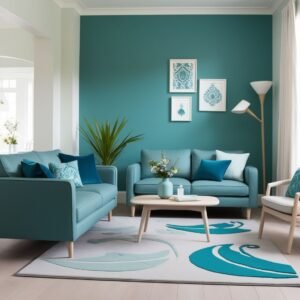
Meta Description: 5 Easy Budget DIY Home Upgrades for a Cozy Living Room that won’t break the bank — transform your space with simple, affordable ideas anyone can do this weekend.
5 Easy Budget DIY Home Upgrades for a Cozy Living Room
Moving into a new place can be great for you to create memories, but if the home feels empty or lackluster — just not good style-wise — you could actually do the budget DIY makeover in your living room with these 5 simple tips this weekend.
Your living room is the soul of your home. It’s where you unwind at the end of a long day, spend time with friends and create memories with family. But what if it seems kind of stale or old? The good news is — you don’t have to spend thousands of dollars to make it feel warm, fresh and inviting.
All it takes is some creativity and a weekend or two, and you can completely transform your living room. That’s exactly what these 5 easy budget DIY home upgrades for a cozy living room will help you do. None of these projects require you to have professional skills and most cost less than $50.
Let’s dive in.
The Things to Keep in Mind About Your DIY Home Upgrades
Before we dive into the projects, let’s discuss why DIY makes so much sense.
First, you save money. Bringing in an interior designer or a contractor can cost hundreds — even thousands — of dollars. Doing it yourself reduces that cost dramatically.
Second, you maintain complete creative control. You pick the colors, the textures and the style that suits your spirit.
Third, it’s actually fun. There’s something wonderfully gratifying about seeing a room you’ve made better with your own hands.
And finally, small changes make a big difference. You don’t have to gut a room to make it feel new. All it needs, sometimes, is new lighting or a fresh coat of paint.
Upgrade #1 — Paint an Accent Wall for Immediate Drama
One Wall That Changes Everything
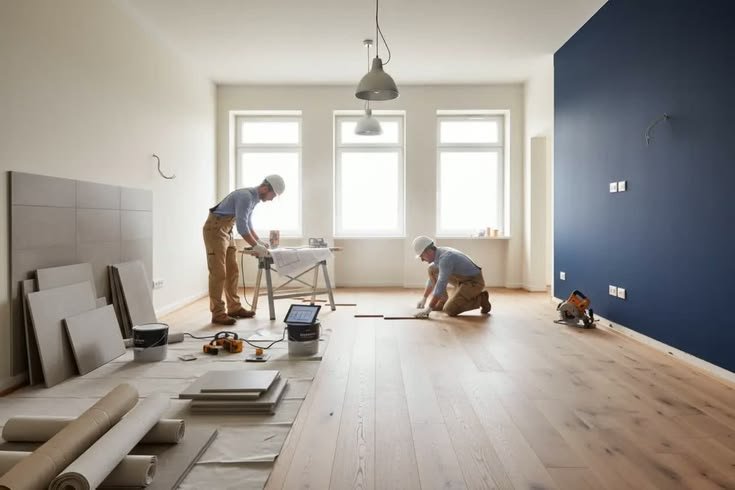
Painting your entire room can seem daunting, or costly. But painting just one wall? That is perfectly feasible on a Saturday afternoon.
An accent wall is one wall you paint a bold or contrasting color. It’s the center of the room — the thing everyone sees as soon as they come in. Done well, it makes your whole living room feel considered and thought out.
How to Pick the Right Wall
Select the wall your couch is facing, or the wall behind your TV. These are the walls your eyes are naturally drawn to when you enter the room.
Do not choose a wall with many doors or windows. You want an even, clean surface to really make the paint stand out.
Choosing the Right Color
You don’t need to go super bold if that’s not your style. Below are some popular accent wall color options depending on the mood you wish to convey:
| Mood | Best Colors |
|---|---|
| Cozy & Warm | Terracotta, Burnt Orange, Deep Rust |
| Calm & Relaxed | Sage Green, Dusty Blue, Soft Teal |
| Bold & Dramatic | Navy Blue, Charcoal, Forest Green |
| Light & Airy | Blush Pink, Soft Lavender, Warm Beige |
What You’ll Need
One quart of paint (typically $15–$25) covers one accent wall easily. You will also need a roller, painter’s tape and a drop cloth. Total cost? Around $30–$40 if you’re starting from scratch.
Step-by-Step Painting Tips
Start by cleaning the wall. Any dirt or grease will impede the paint from adhering correctly.
Apply painter’s tape along the edges of the wall — near the ceiling, baseboards and corners. Press it down firmly.
First, use a brush to cut in along the edges. A roller can then be used to fill in the center. Two coats should provide the best, most even finish.
Let it dry completely before pulling the tape off. Pull the tape slowly at a 45-degree angle to create clean lines.
The result? A fresh-feeling room — for under $40.
Upgrade #2 — Replace Your Lights for a Cozy Glow
The Unsung Hero of Interior Design
Ask any interior designer what one thing makes the biggest difference in a room, and many will cite lighting. It helps determine how colors read, how spacious a room feels and whether you want to come in and sit down.
The majority of homes are lit with harsh, cool-white bulbs that make every space feel like the hallway of a hospital. One of the easiest DIY home upgrades you can do is switch those out.
For more smart, budget-friendly home improvement ideas, check out Frugal Home Renovator — a great resource for homeowners who want to do more with less.
Warm Bulbs vs. Cool Bulbs
Here’s a simple breakdown:
| Bulb Type | Color Temperature | Best For |
|---|---|---|
| Warm White | 2700K – 3000K | Living rooms, bedrooms |
| Neutral White | 3500K – 4000K | Kitchens, bathrooms |
| Cool White | 5000K – 6500K | Garages, offices |
For a cozy living room, always use warm white bulbs. They cast that soft, golden glow that makes everything seem cozy and laid-back.
Add Layers of Light
Avoid using just an overhead light alone. That’s a common mistake. Instead, layer your lighting with multiple sources.
A floor lamp in the corner brings height and warmth. A side table lamp casts an ambient glow ideal for reading and watching TV. String lights draped across a bookshelf or behind a TV can add a magical, cozy atmosphere without breaking the bank.
Budget-Friendly Lighting Ideas
You can snag a stylish floor lamp at thrift stores or on Facebook Marketplace for $5–$20. New warm LED bulbs are generally $3–$8 per bulb. A set of string lights costs about $10–$15 online.
For roughly $30 all in, you can radically change what your living room feels like at night.
Don’t Forget Dimmers
If you’re comfortable doing basic electrical work, putting in a dimmer switch is a game changer. It enables you to change the brightness according to the time of day or your mood. Dimmer switches are $10–$20, and most can be replaced without special tools.
Upgrade #3 — Make a Gallery Wall That Tells Your Story
Why Blank Walls Feel Cold
A living room without art on the walls often feels incomplete — as if nobody really lives there. Filling the walls with art, photos and prints helps the space feel personal, lived-in and warm.
A gallery wall is a grouping of frames hung next to one another on the same wall. It may sound complicated, but this is actually one of the most beginner-friendly DIY home upgrades you can do.
What to Hang on Your Gallery Wall
You don’t have to spend a lot of money on expensive art. Here are some affordable options:
Personal photos — Print your favorite pictures at a local drugstore for around $0.10–$0.25 each.
Printable art — Digital art prints that you buy on sites like Etsy can be downloaded and printed out at home. Many are under $5.
Nature-inspired pieces — Dried pressed flowers, botanical prints or even simple leaf drawings look chic and cost next to nothing.
Quotes and words — Type out a thought-provoking quote in a nice lettering style and frame it. Simple and personal.
Mirrors — A small mirror on a gallery wall creates depth and reflects light. You can find lovely ones at thrift stores for $5–$15.
Planning Your Layout
Before you pound in any nails, pre-plan the layout on the floor. Lay out all your frames and rearrange them until you find a pleasing arrangement.
Photograph the arrangement. Then use that photo as your guide while hanging.
Leave a few inches of space between each frame for a cohesive look. Using frames that match in tone — all black, all gold or all wood — helps unify the entire wall.
Gallery Wall Budget Breakdown
| Item | Estimated Cost |
|---|---|
| Frames (5–7 pieces from thrift store) | $10–$25 |
| Printed photos or art prints | $3–$10 |
| Picture hooks and nails | $3–$5 |
| Total | $16–$40 |
Upgrade #4 — Throw Down Some Textiles for Instant Warmth
The Power of Soft Things
This upgrade requires absolutely no tools and no skills whatsoever. But it might have the biggest visual and physical impact on your living room.
Textiles are soft materials — throw pillows, blankets, rugs and curtains. Incorporating them — or replacing what you currently own — is one of the simplest budget DIY home upgrades you can do on a random afternoon.
Start With a Rug
If you have hard floors in your living room, a rug is a must. It grounds the furniture, adds warmth underfoot and instantly makes the space feel more finished.
That doesn’t have to cost a fortune. Look in these places to find inexpensive rugs:
IKEA has stylish options starting from about $20–$40. Amazon and Wayfair often run sales where solid rugs can be found for $30–$60. Thrift stores can have barely-used rugs for as little as $10–$20.
For a typical living room, buy a rug that’s big enough for the front legs of your couch to rest on it. It is a classic design trick that connects the furniture and makes the room feel bigger.
Throw Pillows and Blankets
Throw pillows are one of the most powerful yet underused tools in home décor. A few carefully selected pillows can completely change the personality of your sofa.
Stick with an odd number — three or five pillows will almost always look more natural than an even number.
Mix textures. Pair a velvet pillow with a knitted one and a plain linen one. It creates visual interest without the big spend.
Layer on a cozy throw blanket tossed over one arm of the sofa. It is both decorative and functional — ideal for cool evenings.
Curtain Upgrade
Swapping out cheap, thin curtains makes a world of difference. Floor-length curtains that hang close to the ceiling make your windows look taller and your room feel bigger.
Opt for curtains in warm shades like cream, ivory, dusty rose or camel. Those colors bring warmth without overwhelming the room.
IKEA and Target both stock inexpensive curtains in the $20–$50 price range.
Textile Upgrade Cost Summary
| Item | Budget Option |
|---|---|
| Area rug | $20–$60 |
| Throw pillows (set of 3) | $15–$30 |
| Cozy throw blanket | $10–$25 |
| Curtains (1 panel pair) | $20–$50 |
| Total | $65–$165 |
Even if you only do one or two of these — maybe bring in a rug and some pillows — you’ll see a huge difference.
Upgrade #5 — Create or Style Functional and Beautiful Shelves
Shelves Are Doing Double Duty
Shelves aren’t just for storage. When styled properly, they make for a beautiful and unique focal point in your living room. They bring personality, height and character to any space.
And the best part? You can DIY floating shelves for as little as $15–$30.
How to Make Simple Floating Shelves
You don’t have to be a carpenter to do this. Floating shelf brackets are available in most hardware stores, and the wood boards themselves can be found at Lowe’s or Home Depot for only a few dollars per foot.
What you’ll need: Shelf brackets ($5–$10 each), a wooden board cut to size ($5–$15), screws, a drill and a level.
Steps: Use a pencil and level to mark where you want your shelves. Locate the wall studs with a stud finder — this is crucial so your shelves can support weight. Screw in the brackets. Lay your board on top and screw it down.
That’s really it. You can paint or stain your wooden boards to match your décor.
The Art of Shelf Styling
Putting things on shelves is easy. Styling shelves so they have a purposeful look? That takes a little thought. Follow this simple formula:
Group items in threes. Odd numbers look more natural and dynamic.
Vary the heights. Place a tall vase next to a small candle next to a stack of books. The variance in height provides visual flow.
Mix categories. Mix books, plants, decorative objects and personal pieces. That makes it feel more curated than cluttered.
Add a plant. Even a small trailing plant or succulent instantly brings a shelf to life and makes it feel fresh.
Leave some empty space. Don’t fill every inch. White space allows the eye to rest and lends a more elegant feeling to the overall display.
According to Better Homes & Gardens, the key to a great-looking shelf is balancing decorative objects with functional ones — mixing books, plants and personal mementos creates a display that feels both lived-in and intentional.
Budget Shelf Styling Ideas
| Item | Budget Option |
|---|---|
| Shelf brackets + wood board | $15–$30 |
| Small potted plant or succulent | $5–$10 |
| Decorative candles | $5–$10 |
| A few used books (for aesthetics) | $2–$5 |
| Small decorative vase or figurine | $3–$10 |
| Total | $30–$65 |
You can also style shelves you already have — no building necessary. Just apply these same principles to your current bookshelf or entertainment center.
Bringing It All Together — Your Weekend Transformation Plan
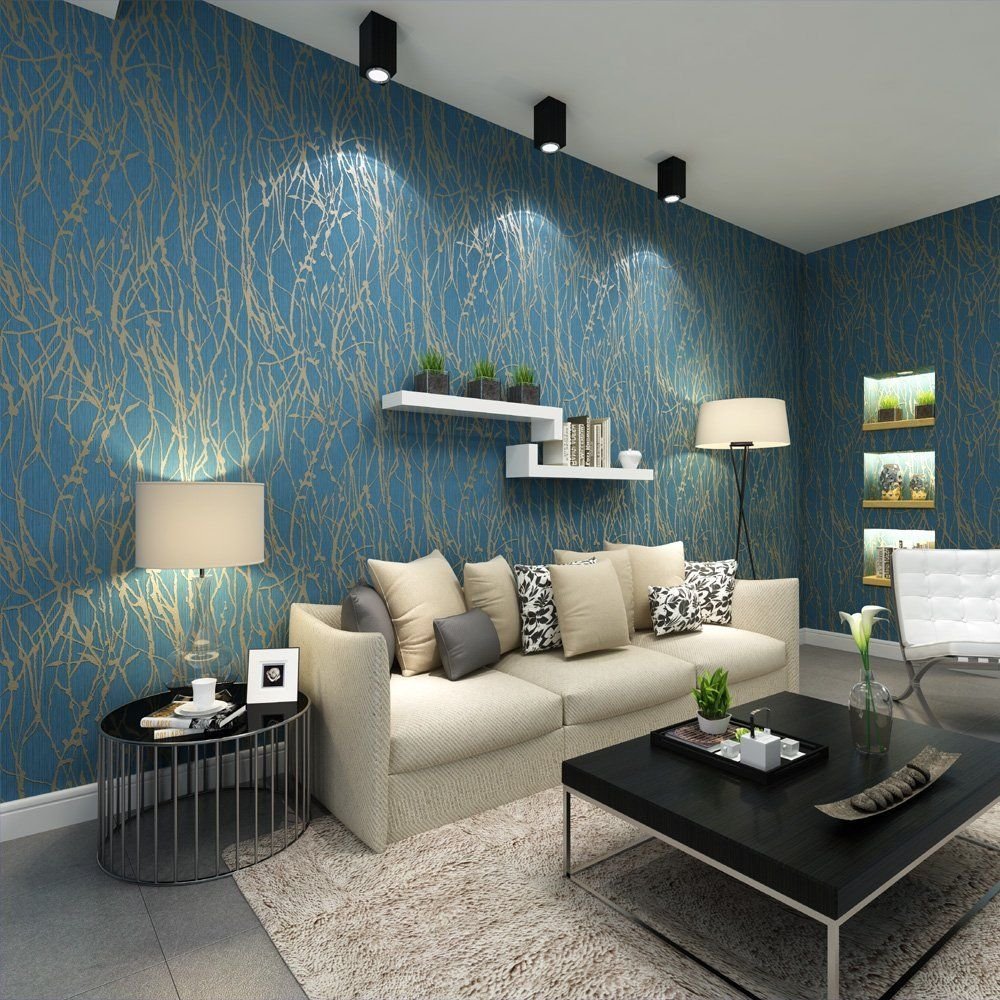
You don’t have to do all five upgrades at once. Working on one project at a time is actually the better way to go. Here’s a simple plan:
Weekend 1: Paint your accent wall. It’s messy and takes time to dry, so you want to get that out of the way first.
Weekend 2: Replace your bulbs and hang a floor lamp or string lights. Once the wall is finished, lighting changes feel magical.
Weekend 3: Gather frames and art prints. Take time to plan your layout on the floor before nailing anything down.
Weekend 4: Shop for textiles — a rug, pillows and a cozy blanket. This is the weekend that gives everything a sense of completion.
Weekend 5: Hang floating shelves or restyle your existing ones. Finish the look with plants, candles and books.
By the time you’re finished, the look and feel of your living room will be utterly transformed — for a fraction of what it would have cost to hire a professional.
Budget DIY Home Upgrades for a Cozy Living Room: FAQs
Q: What is the total cost to do all five upgrades? If you’re on a budget and shop smartly — thrift stores, sales, discount sites — you can get all five upgrades done for about $150–$250. With a little more flexibility, $300–$400 will get you higher-quality materials and more options.
Q: Do I require any special tools or skills? Most of these projects require very little experience. The accent wall and shelf installation are the most hands-on, but both are beginner-friendly. You’ll need basic tools such as a roller, drill and level — most of which you can borrow or rent cheaply.
Q: What is the single best upgrade if I can only do one? Lighting. Switching to warm-toned bulbs and adding a lamp or two is quick, inexpensive and makes a fast impact on how cozy your living room feels — day or night.
Q: Can I make these upgrades if I’m renting? Yes, mostly. Changing lightbulbs, adding textiles and styling shelves are all 100% renter-friendly. For the accent wall, check with your landlord first — some allow painting with permission, and you can repaint before you move out. If no drilling is permitted, opt for damage-free adhesive strips for floating shelves.
Q: How can I make a small living room feel larger with DIY upgrades? Go for light colors or a bold accent wall in depth-creating tones like navy or forest green. Hang curtains high and wide. Use a large rug. Add mirrors to your gallery wall. And keep clutter off surfaces. These tricks make even a tiny room feel large and open.
Q: Where is the best place to find affordable décor for these projects? Thrift stores such as Goodwill or Salvation Army are gold mines for frames, lamps, rugs and decorative objects. Facebook Marketplace and OfferUp are great for bulkier items. IKEA is ideal for affordable basics. Amazon, Target and Wayfair frequently have sales worth watching.
Q: How long will these projects take? Each project takes roughly 2–6 hours on its own, depending on how quickly you work. If you spread them over five weekends, you won’t feel rushed — and you can enjoy each change before a new one begins.
The Bottom Line — Your Cozy Living Room Is Not Far Away
Giving your living room a face-lift doesn’t have to cost an arm and a leg or involve professional help. These 5 easy budget DIY home upgrades for a cozy living room prove that small, thoughtful changes make a massive difference.
An accent wall adds personality. Better lighting sets the mood. A gallery wall tells your story. Soft textiles make everything feel warmer. And styled shelves pull the whole room together.
Pick one project this weekend to start. You’ll be amazed at the difference your living room makes going from average to truly cozy — and how great you’ll feel knowing you did it yourself.