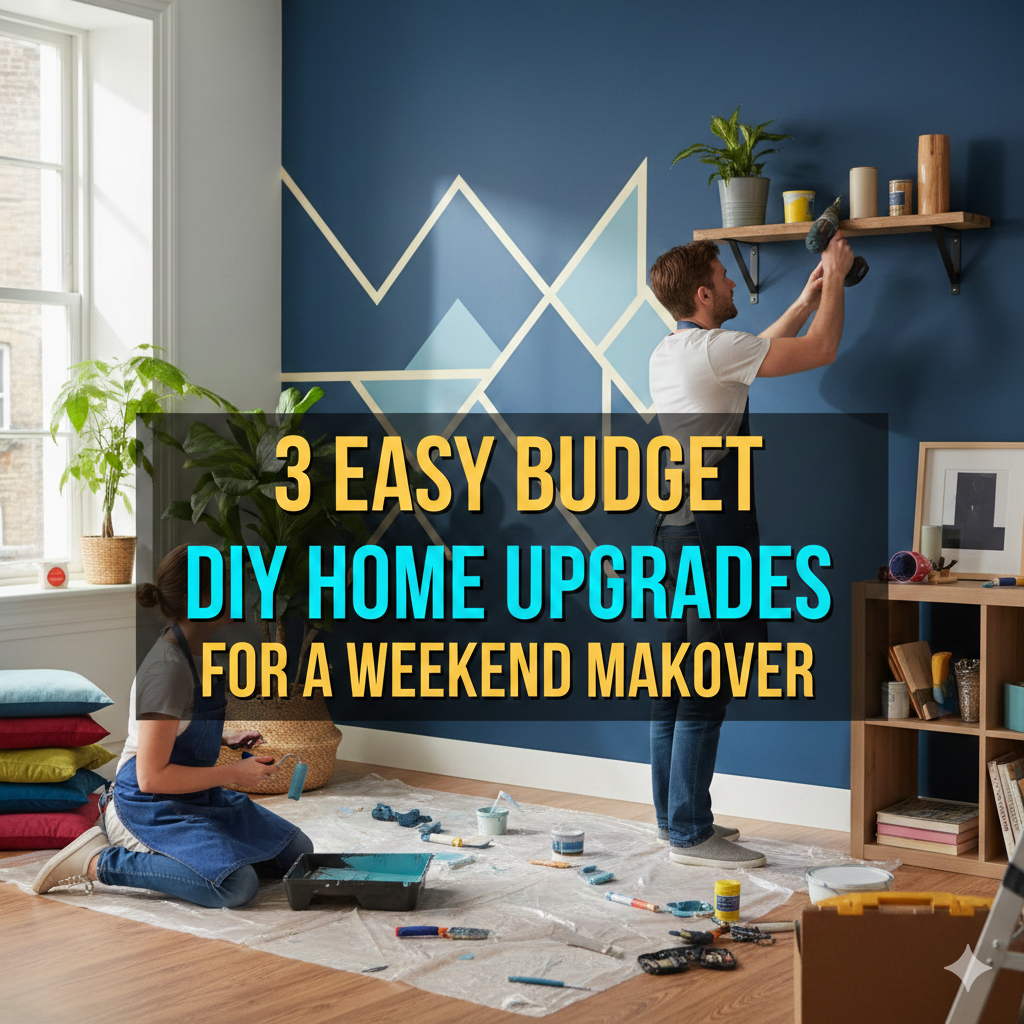
3 Easy Budget DIY Home Upgrades for a Weekend Makeover
There’s something truly satisfying about rolling up your sleeves and giving your home a little refresh without breaking the bank or calling in the pros. I’ve always been the type who loves a good weekend project—nothing too overwhelming, just enough to make the space feel new again. If you’re like me, staring at the same walls or cluttered corners day after day, you might be itching for a change. That’s where these three easy budget DIY home upgrades come in. They’re perfect for a weekend makeover because they’re straightforward, use stuff you probably already have or can grab cheaply, and deliver that instant gratification we all crave. We’re talking about transforming your living room with a fresh coat of paint, swapping out old lighting for something brighter and more stylish, and building simple storage solutions to tame the chaos. Each one can be tackled in a day or two, and together, they can make your home feel like a whole new place. Let’s dive in and see how you can pull this off without any fancy tools or a huge time commitment.
First Upgrade: Refreshing Your Walls with a Budget Paint Job
Painting might seem like the most basic DIY out there, but trust me, it’s one of the quickest ways to breathe new life into a room. I remember the first time I painted my living room—it was a dingy off-white that had seen better days, and after a Saturday afternoon of work, it felt like I’d moved into a brighter, happier space. The best part? You don’t need to repaint the entire house. Focus on one accent wall or a single room to keep it manageable and under budget. Aim for under $50 if you’re smart about it.
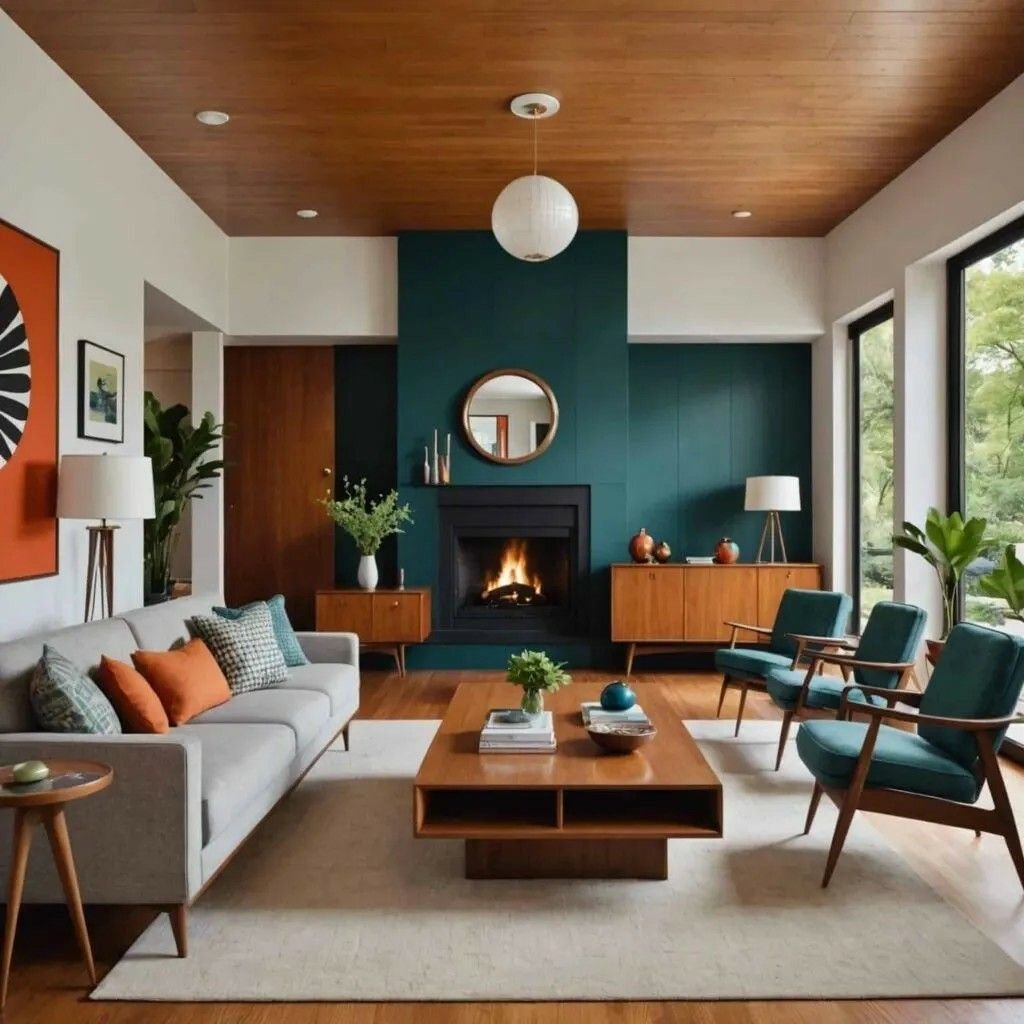
Start by picking your color. This is where the fun begins, but also where people sometimes get stuck. Head to your local hardware store or even a big box like Home Depot. They have those little sample pots for a few bucks—grab a couple and test them on your wall. Light changes everything, so paint a small patch and live with it for a day. I once chose a gray that looked perfect in the store but turned purple in my evening light. Lesson learned. Go for neutrals if you’re unsure; they’re forgiving and make the room feel bigger. Or, if you’re feeling bold, a deep blue or soft green can add personality without overwhelming.
Now, gather your supplies. You’ll need paint (one gallon covers about 400 square feet, so measure your wall), a roller, tray, brushes for edges, painter’s tape, drop cloths, and maybe some sandpaper if your walls are rough. Skip the expensive brands; store brands work fine for this. Total cost? Around $30-40. If you have old sheets, use those as drop cloths to save even more.
Prep is key—don’t skip it, or you’ll regret it later. Move furniture away from the walls, or cover it if you can’t. Tape off baseboards, ceilings, and outlets. I like to use the blue painter’s tape because it doesn’t pull off existing paint. Give the walls a quick wipe with a damp cloth to remove dust. If there are holes from nails, fill them with spackle (cheap tube from the dollar store), let it dry, and sand smooth. This takes maybe an hour, but it makes the finish look professional.
Time to paint. Pour some into the tray, load your roller evenly—no globs—and start from the top down in W patterns to avoid streaks. For corners, use a brush. One coat might do if your old color is similar, but two is usually better for even coverage. Let the first dry for a couple hours before the second. I blast a fan to speed it up. While it’s drying, clean your tools right away; dried paint is a nightmare to remove.
Once done, peel the tape slowly at an angle. Step back and admire. That fresh wall can make furniture pop and the room feel cleaner. If you want to amp it up, add some peel-and-stick wallpaper accents on part of the wall—super cheap online, like $10 a roll. Or stencil a simple pattern for that custom look without the hassle.
But what if things go wrong? Common mistakes include not stirring the paint enough, leading to uneven color, or painting in direct sun, which dries it too fast and shows brush marks. Work in sections, and if it’s humid, wait for a drier day. Safety-wise, open windows for ventilation; paint fumes aren’t fun.
The benefits go beyond looks. A fresh coat can hide scuffs and make the space feel more inviting for gatherings. Psychologically, color affects mood—blues calm, yellows energize. For budgets, this is gold; it’s reversible if you hate it, just paint over. Variations: Try chalk paint for a matte, vintage vibe, or metallic for glamour. If you’re renting, check with your landlord, but many allow it if you repaint back.
Extending this, think about painting other things. Doors, trim, even furniture. I painted an old bookshelf once, and it tied the room together. Use leftover paint for that. Or, for outdoors, freshen up your front door for curb appeal. But stick to indoors for a weekend job.
In terms of time, prep: 1-2 hours, painting: 2-4 hours per coat, drying: 2-4 hours. Total: one day. Clean up: rinse tools, fold drop cloths. Done.
This upgrade isn’t just cosmetic; it boosts home value subtly. Real estate folks say fresh paint is a top ROI DIY. Plus, it’s therapeutic—music on, podcast playing, and you’re zoning out while transforming.
Second Upgrade: Swapping Out Lighting for a Brighter, Stylish Glow
Lighting is one of those things you don’t notice until it’s bad—dim, yellow bulbs making everything feel dated. But upgrade it on a budget, and suddenly your home feels modern and welcoming. I’ve done this in my kitchen, replacing those old fluorescent tubes with simple pendants, and it changed the whole vibe. For a weekend, focus on one or two fixtures; it’s easy, no electrician needed if you’re swapping like-for-like.
First, assess what you have. Walk around at night; where’s it too dark? Living rooms often need ambient light, kitchens task lighting. Budget: $20-50 per fixture. Thrift stores, online marketplaces like Facebook, or discount spots like IKEA have gems.
Choose your new lights. For simplicity, go with plug-in options if wiring scares you—floor lamps or string lights. But for impact, replace ceiling fixtures. LED bulbs are a must; they last forever and save energy. Pick warm white (2700K) for cozy, cool white (4000K) for kitchens. Styles: industrial Edison bulbs for trendy, or simple globes for clean.
Supplies: New fixture, bulbs, screwdriver, wire nuts if needed, voltage tester (cheap, $5). Turn off power at the breaker—safety first. I always double-check with the tester.
Installation step-by-step: Remove old fixture. Unscrew the base, disconnect wires (black to black, white to white, ground to ground). If wires are old, trim and strip ends. Attach new bracket, connect wires, secure fixture. For pendants, it’s similar but with chain adjustment for height.
If you’re not comfy with wires, start with lamps. Buy a thrift lamp base ($5), new shade ($10), bulb. Or make your own: drill a hole in a mason jar, thread a cord kit (kits are $15 online). Hang from a hook.
For walls, add sconces—battery-operated if no outlet. Peel-and-stick LED strips under cabinets for kitchens—$10 a pack, cut to size, plug in.
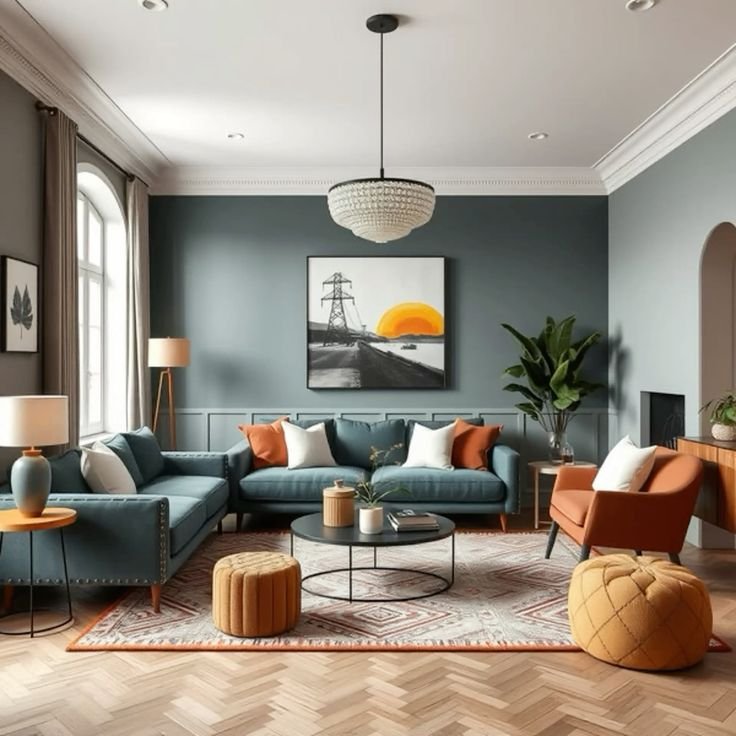
Mistakes: Forgetting to match wattage, leading to dim light or blown fuses. Or uneven hanging. Measure twice. If ceilings are high, use a ladder safely.
Benefits: Better light improves functionality—reading without straining, cooking safely. Mood-wise, dimmers (add one for $10) let you control ambiance. Energy savings: LEDs use 75% less power.
Variations: Smart bulbs like Philips Hue starters for $20, control via app. Or upcycle: turn wine bottles into lamps with kits. For outdoors, solar lights, but indoors for weekend.
Time: Shopping: 1 hour, install: 30 min per fixture. Total: half day. Pair with painting for synergy—new light shows off fresh walls.
This upgrade makes spaces multifunctional. Home office? Add desk lamp. Bedroom? Soft bedside lights. It’s empowering, knowing you handled electrics safely.
Third Upgrade: Building Simple DIY Storage to Declutter and Organize
Clutter is the enemy of a peaceful home, right? Those piles of stuff make everything feel chaotic. But with budget DIY storage, you can organize without spending much. I tackled my entryway once—shoes everywhere—and built a quick shoe rack from scrap wood. Instant order. For a weekend, choose one area: closet, pantry, or garage.
Ideas: Floating shelves, under-bed bins, or wall organizers. Budget: $10-30 using recyclables.
Materials: Wood scraps, crates from markets (free or cheap), screws, brackets ($5). Or cardboard for temporary.
For shelves: Measure space, cut wood (or have store cut), sand edges. Attach brackets to wall studs (use stud finder app on phone). Screw shelves on. Paint to match room.
For closets: Add tension rods ($3) for extra hanging. Or shoe organizers from fabric scraps—sew pockets if you have a machine, or use hot glue.
Pantry: Stackable bins from dollar store. Label with marker. Or mason jars for dry goods—repurpose old ones.
Entryway: Coat rack from branch (find outside), sand, mount with hooks ($2 each).
Step-by-step for shelves: Find studs, mark level lines. Drill pilot holes, screw brackets. Place shelf, secure. Load lightly at first.
Mistakes: Overloading shelves, causing sag. Use proper anchors for drywall. Or uneven levels—use a level tool (app works).
Benefits: Reduces stress—studies show organized spaces improve mental health. Saves time finding things. Makes rooms look bigger.
Variations: Upcycled pallets for rustic shelves. Or PVC pipe for garage tool holders. Kid-friendly: Low bins for toys.
Time: Gather materials: 1 hour, build: 2-3 hours. Organize: 1 hour. Total: day.
Combine with others: Shelves on painted wall, lit by new fixture.
Wrapping It Up: Your Weekend Transformation Complete
There you have it—three upgrades that can turn your home around in a weekend. Paint for freshness, lighting for warmth, storage for calm. Mix them, and the effect multiplies. I did all three in my apartment once, and friends thought I’d hired help. The key is starting small, enjoying the process. Grab a coffee, put on tunes, and go for it. Your home will thank you, and so will your wallet.